Blog

  • The Best Retro Game Collections Worth Owning Today (And Which Ones Are Actually Worth Your Money)

    The Best Retro Game Collections Worth Owning Today (And Which Ones Are Actually Worth Your Money)

    Introduction

    I’ve talked a lot about modern collections for older games like Mega Man, Castlevania, and even Devil May Cry. But now it’s time to get into the real question:

    Which retro game collections actually give you the best bang for your buck?

    At first, it’s easy to think:

    “How can any of them be a bad purchase? These are games from our childhood.”

    And honestly, that’s fair.

    But after spending time with several of these collections myself, I realized something surprising: not all retro collections are instant buys—especially if you care about modern features and long-term value.

    Some collections leave you thinking:

    “This was one of the best gaming purchases I’ve made.”

    Others leave you wondering:

    “Oh no… what have I done?”

    Trust me, I’ve been on both sides of that.

    One of the biggest changes modern collections introduced is accessibility. Features like rewind, save states, galleries, and visual filters used to feel exclusive to emulators.

    Now they’re officially built into many collections, making older games far easier to revisit without losing what made them special in the first place.

    That said, not every collection deserves a day-one purchase. Some are absolutely worth the money, while others are better left for a sale—or skipped entirely.

    What Makes Retro Game Collections Worthwhile?

    A lot of people buy retro collections simply to “keep up” or because nostalgia pulls them in. But there’s a genuine value to these collections beyond reliving childhood memories.

    For starters, convenience matters.

    Having access to entire franchises digitally means no more digging through old discs, worrying about scratches, or hunting down expensive physical copies online.

    Take the Ninja Gaiden Master Collection for example. Having multiple games available instantly on modern hardware is incredibly convenient, especially for players who just want to jump in and play.

    But modern collections go beyond convenience.

    Modern Features Change Everything

    One of the biggest selling points for me has been rewind and save-state functionality.

    Have you ever missed a difficult jump in an old platformer and had to replay an entire stage because of it?

    Modern collections fix that.

    I remember struggling through Castlevania III as a kid, especially the collapsing bridge section on Stage 8-3 while using Sypha. Back then, failure meant replaying huge sections of the game.

    Now? I can simply save before the jump and retry instantly.

    It doesn’t remove the challenge entirely—it just removes unnecessary frustration.

    That balance is what makes modern retro collections so appealing.

    Stability and Accessibility

    Another underrated benefit is reliability.

    Older hardware can fail. Cartridges stop working. Discs get scratched. Emulation quality can vary wildly depending on where you play.

    Modern collections eliminate a lot of those issues by making classic games more accessible and stable on current hardware.

    And when you think about the value proposition, it’s hard to ignore:

    • multiple games,
    • modern features,
    • improved accessibility,
    • and long-term replayability,
      all bundled together in a single package.

    That’s hard to beat.

    Retro Game Collections That Are Absolutely Worth It

    Crash Bandicoot N. Sane Trilogy

    Interestingly, not every worthwhile collection needs rewind or save states.

    The Crash Bandicoot N. Sane Trilogy proves that.

    What makes this collection valuable is how the gameplay itself was modernized while still respecting the originals.

    I still remember grinding for the Platinum Relic on Road Crash. Years ago, those time trials felt nearly impossible. Revisiting them in the remake felt smoother and more manageable without losing the challenge entirely.

    The improvements here aren’t flashy quality-of-life features—they’re gameplay refinements.

    And honestly, that works.

    Spyro Reignited Trilogy

    The Spyro Reignited Trilogy is another excellent example.

    The games retain the same core identity while polishing rough edges from the originals. Some frustrating mechanics and difficulty spikes feel smoother now, making replaying these classics far more enjoyable.

    It still feels like classic Spyro—just cleaner, sharper, and easier to revisit in 2026.

    Mega Man Legacy & X Legacy Collections

    The Mega Man collections are some of the best examples of modern accessibility done right.

    Features like Rookie Hunter Mode make notoriously difficult games more approachable without completely destroying the original experience.

    And honestly? Sometimes even experienced players want a break.

    I’ve beaten all eight Mega Man X games, but I still appreciate having options that reduce frustration—especially in games like Mega Man X7, where rescuing Reploids can become exhausting.

    Modern features don’t ruin these games.
    They simply make them easier to enjoy on your own terms.

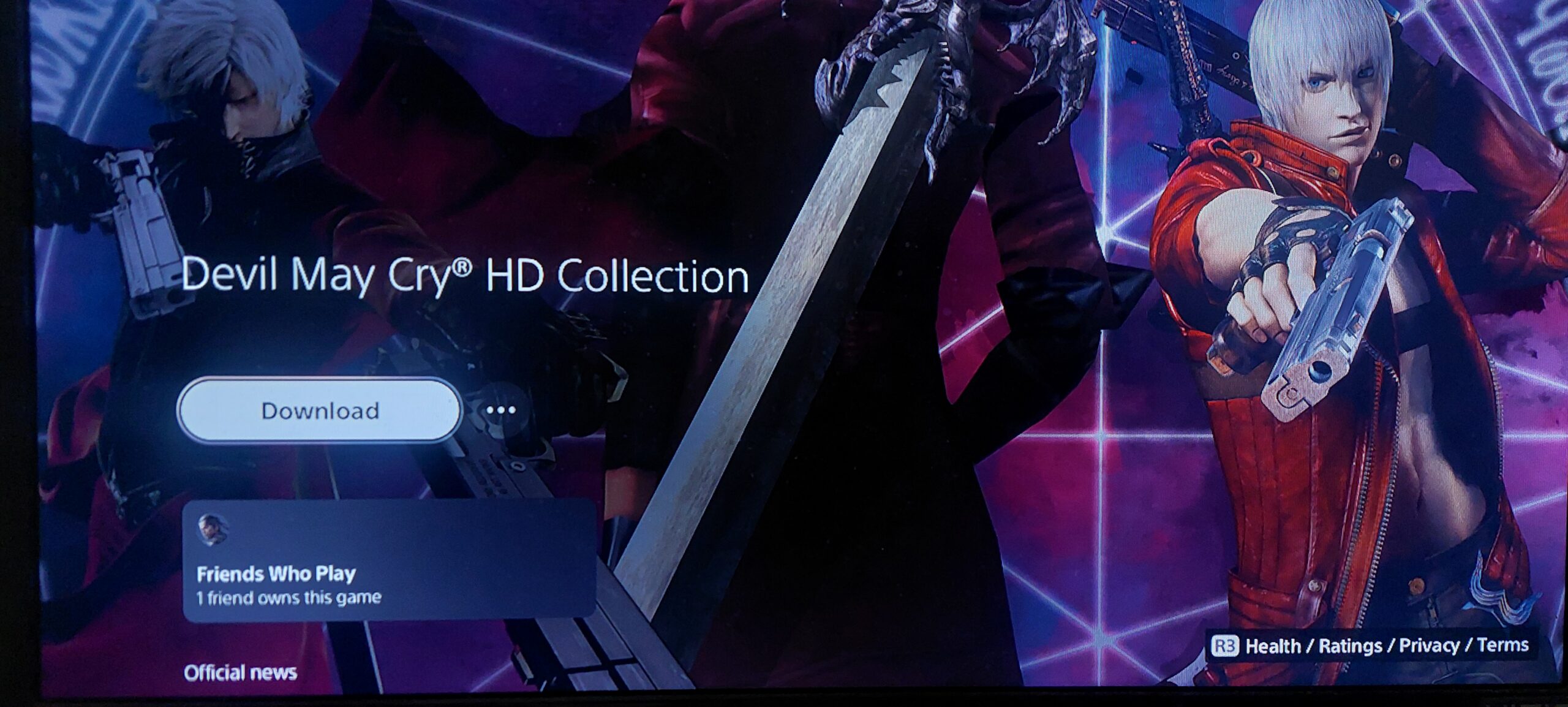
    Devil May Cry HD Collection

    The Devil May Cry HD Collection is another easy recommendation.

    For years, fans wanted easier access to these games without tracking down older hardware. Now they’re readily available and still incredibly fun to replay.

    And while I personally prefer sticking to the traditional gameplay instead of overpowering characters like Vergil or Trish, I still appreciate having those options available for players who want a different experience.

    That flexibility adds value.

    Sega Genesis Classics

    This collection is one of the best examples of quantity meeting convenience.

    Features like:

    • save states,
    • rewind,
    • visual filters,
    • and instant saving
      make difficult Genesis-era games far easier to revisit.

    I immediately thought of the infamous Prism Flower battle in Shining Force II. Back then, mistakes could cost you massive chunks of progress.

    Now? Modern features smooth out those rough edges without removing the strategy.

    That said, this collection also taught me something important:
    a massive library doesn’t automatically mean massive value.

    Out of over 50 games, there are probably only around 15 I genuinely plan on replaying regularly.

    But for me, games like Streets of Rage 3, Shinobi III, and Shining Force II alone justify owning it.

    That’s the key:
    sometimes a handful of meaningful classics matters more than a huge game count.

    Castlevania Collections

    The Castlevania collections might be some of the best preservation efforts available today.

    These games used to be difficult and expensive to track down physically. Now they’re easily accessible on modern platforms without requiring players to spend hundreds of dollars hunting original copies.

    Being able to replay Castlevania: Symphony of the Night whenever I want without breaking the bank is exactly why these collections matter.

    Collections That Might Not Be Worth It

    Not every retro collection is an automatic must-buy.

    Some feel more like basic ports than lovingly preserved collections.

    Others rely heavily on visual upgrades or special-edition content that may not appeal to every player.

    For example, if alternate characters or visual remasters don’t matter much to you, collections focused mainly on those additions may not feel worth full price.

    That doesn’t make them bad—it just means value depends heavily on what you actually want from the experience.

    And honestly, that’s something I had to learn myself.

    Final Thoughts

    Not every retro collection deserves your money—but plenty of them absolutely do.

    For me, collections with modern accessibility features like rewind and save states immediately stand out because they make revisiting older games far more enjoyable without completely removing the original challenge.

    At the same time, gameplay-focused remasters like the Crash Bandicoot N. Sane Trilogy prove that modernizing classic games can still preserve what made them special.

    My biggest recommendation?

    Don’t feel pressured to buy every collection at once.

    Start with the franchises that actually mean something to you. If Mega Man, Castlevania, Shining Force, or Devil May Cry helped define your childhood like they did mine, those are the collections worth prioritizing first.

    The rest can come later.

    Retro gaming isn’t about owning everything.
    It’s about reconnecting with the games that mattered most to you.

    And honestly, that alone can make these collections worth every penny.

    Next up: Which retro games are still worth playing in 2026—and which ones you can completely lose yourself in for hours.

    If you’re interested in picking up some of the retro game collections mentioned in this post, I put together a full list of the ones I personally think are worth owning today.

    From Mega Man and Castlevania to Sega Genesis Classics and Devil May Cry, these are the collections I keep coming back to when I want nostalgia mixed with modern convenience.

    Check out the full list here:

    https://benable.com/RoddyMcG/the-best-retro-game-collections-worth-owning-today
  • Why Modern Retro Game Collections Matter.

    Why Modern Retro Game Collections Matter.

    Intro

    You know, as an experienced gamer, I make it my mission to stay up to date on everything video games—including modern gaming tech.

    Case in point: I’ve found myself buying more and more modern collections of classic games. Just yesterday, I picked up the Sega Genesis Classics for $25 on Amazon—an awesome price, if I’m being honest.

    My recent replay of Phantasy Star IV on an emulator really got me thinking about building a library of these modern collections.

    It’s ironic. I always said I wouldn’t touch collections of older games, but I’ve had to acknowledge a simple truth: old gaming hardware doesn’t last forever.

    And for those of you who think like I used to—avoiding modern collections—you might be making a mistake.

    Collections like the Spyro Reignited Trilogy, Crash Bandicoot N. Sane Trilogy, and Mega Man X Legacy Collection aren’t just nostalgia trips—they matter. Let me explain why.

    The Why –

    When you hear names like Devil May Cry or Spyro: Year of the Dragon, your first thought is probably, “those are old-school games.” And you’d be right.

    But here’s the thing—you can experience those same games today through modern collections, and in many ways, the experience is even better.

    Take a moment like missing a jump in Mega Man 4 by inches. Frustrating, right?

    Now imagine rewinding time and trying again instantly.

    That’s one of the biggest advantages of modern collections: features like rewind and save states. Being able to save anywhere—right outside a boss room, for example—completely changes how you approach these games. It respects your time while still preserving the challenge.

    Some players argue that these features dilute the experience. The reality? They make these games more approachable without stripping away what made them great in the first place.

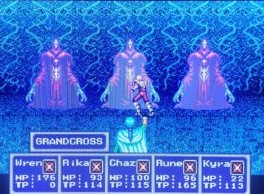
    I saw this firsthand replaying Phantasy Star IV. The battle against the Xe-A-Thouls was brutal. I lost the first time—but before going back in, I saved right outside their chamber.

    That wasn’t possible in the original version. But in collections like the Sega Genesis Classics, it is.

    There’s also this idea floating around that “no one plays these old games anymore.” That couldn’t be further from the truth.

    Games like Crash Bandicoot 2: Cortex Strikes Back and Ninja Gaiden Sigma 1 are still being played—just in a different way.

    And don’t get it twisted: these aren’t watered-down versions. The challenge, pacing, and strategy are still intact.

    There’s a reason these games are still talked about. For some players, they’re held on a pedestal. For others, they’re personal classics.

    I’m in that second group.

    Now think about something like Streets of Rage 2. Playing it on original hardware is great—if you have it.

    But that hardware won’t last forever.

    Original consoles like the Sega Genesis or even a PlayStation 2 are only getting harder (and more expensive) to find.

    So what happens if you don’t have access to them?

    That’s where modern collections come in. They’re not just convenient—they’re essential.

    Collections like the Mega Man Legacy Collection keep these games alive and accessible for years to come.

    I used to have a strict “everything must be original” mindset. But over time, I realized how expensive and impractical that approach can be.

    Would you rather spend $180 on a copy of Wild Arms 4 from a random seller? Or would you grab it digitally for a fraction of the price?

    That purist mindset can drain your wallet fast.

    Modern collections are simply more affordable—and just as fun, if not more so.

    Think about Mega Man X. People are still playing it today—but most aren’t using the original cartridge. They’re playing it through collections on platforms like the PlayStation 5, PlayStation 4, or Nintendo Switch.

    It’s instant, convenient, and accessible.

    No cartridges. No aging hardware. Just the game.

    And let’s not ignore the bigger picture – relevance.

    Franchises like Crash Bandicoot stay alive because of these collections.

    Services like the Nintendo Switch Online + Expansion Pack and collections like Sega Genesis Classics act as preservation tools—keeping these games playable long-term.

    On top of that, there are quality-of-life improvements that matter more than people admit.

    Saving progress, restarting from checkpoints, improved resolution—these things add up.

    Especially in games like Devil May Cry, where tough fights (looking at you, Phantom) can be punishing.

    Sure, some collections only offer minor upgrades. But when your old console fails or a disc stops working, you’ll be glad these versions exist.

    Games like Castlevania: Symphony of the Night don’t just disappear—they live on.

    Conclusion –

    At the end of the day, modern collections aren’t replacements—they’re gateways.

    They preserve the design, mechanics, and soul of classic games while making them more accessible than ever.

    If you’re stuck in a purist mindset, you might be limiting your own experience.

    Features like rewind and save states don’t take away from these games—they give you more ways to enjoy them.

    And more importantly, they ensure these experiences don’t get lost over time.

    Modern collections let you keep your progress, your memories, and your connection to these games intact.

    So don’t write them off.

    You’re not replacing the past—you’re making sure it’s still playable in the future.

    Next up: I’m breaking down the best retro game collections worth owning—and which ones are actually worth your money.

    If you’re looking to get started with modern retro collections, check out my curated list here:

    https://benable.com/RoddyMcG/must-have-modern-retro-game-collections

  • What I Learned Replaying Phantasy Star IV in 2026.

    What I Learned Replaying Phantasy Star IV in 2026.

    Intro –

    As far back as I can remember, playing video games has always been my favorite past time — that didn’t change as I got older.

    Recently, I started revisiting many of my retro games as part of a massive gaming project I’m working on.

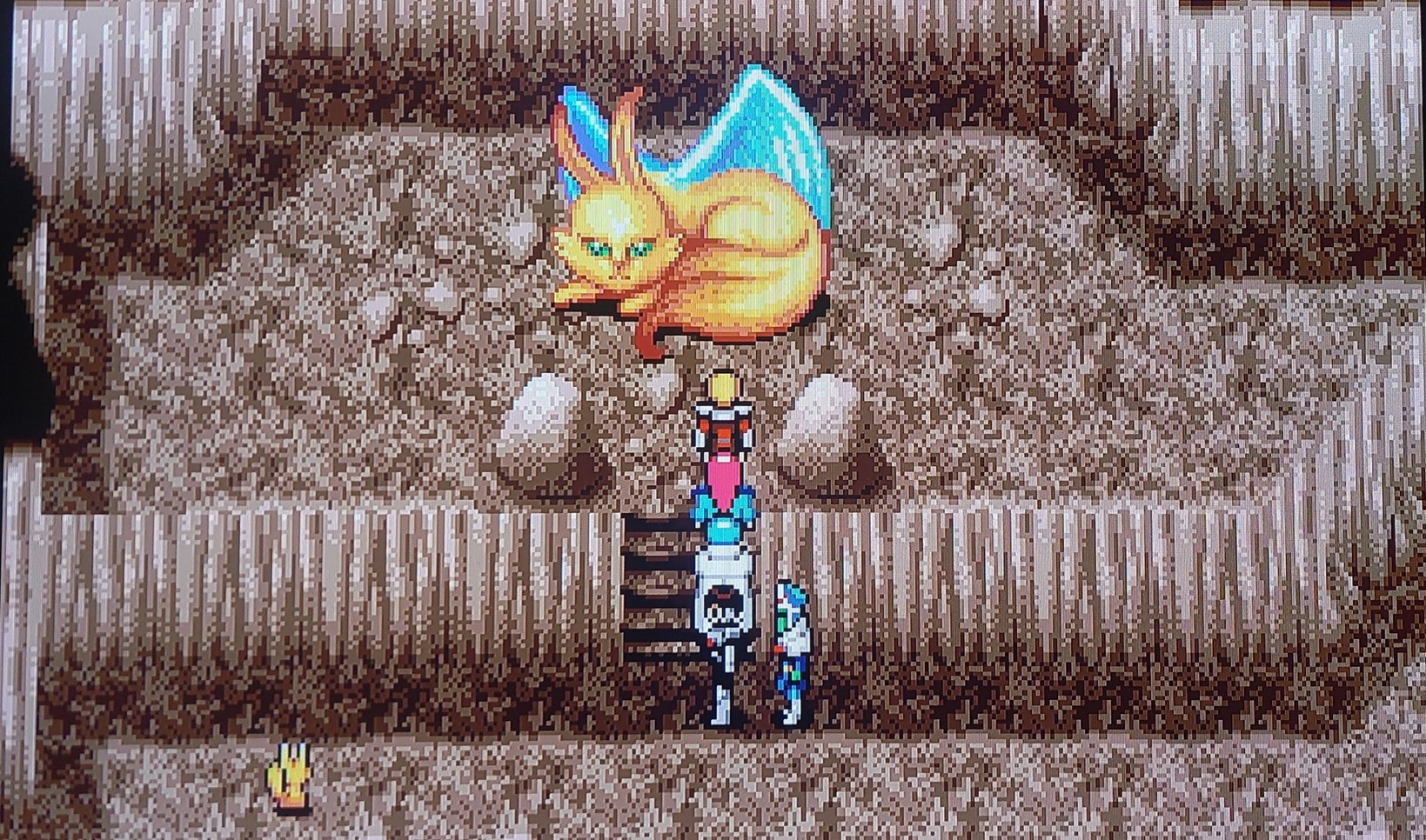
    Phantasy Star IV is one of those games, and after replaying it, I can honestly say that everything has changed — and nothing has changed.

    I first played Phantasy Star IV in my late teens during the mid-90s, and I beat it back then. I recently completed another playthrough, finishing it just last night.

    Going in, I expected to breeze through the game because I know it so well. I thought memory alone would carry me from start to finish.

    Instead, I quickly realized that present-day me plays very differently than 16-year-old me ever did.

    I wasn’t able to charge through the game at the same hyper pace I once could. I had to adapt, rediscover old strategies, and create new ones.

    One of the biggest examples was learning when to retreat from dangerous areas, return to town, restock, recover, and then come back stronger.

    That’s the strange magic of replaying retro games in 2026: they feel familiar, yet completely different at the same time.

    Phantasy Star IV can still challenge you today. It won’t hold your hand, but it will absolutely make you earn your progress.

    Body –

    What I think Phantasy Star IV does better than many modern titles is that it never assumes you deserve success.

    It doesn’t hand out progress for simply showing up, and it doesn’t reward you just for being present. Mistakes matter, and learning from them is part of the core experience.

    Failure isn’t a punishment here—it’s part of the game’s design. You learn through trial, adjustment, and smarter decision-making. That’s something many newer games have moved away from in favor of convenience.

    That said, some aspects of the game have definitely aged poorly. One of the biggest is the constant battle interruptions.

    The game often throws you into encounters so frequently that it can feel less like challenge and more like annoyance.

    Even in 2026, during my replay, I found myself thinking that fighting enemies I had already defeated hundreds of times added very little to the experience.

    Instead of creating tension, it sometimes slowed the pace to a crawl.

    At times, it felt like the game was swatting your hand for losing focus—even for a moment.

    Still, I have a huge respect for the overall design philosophy. Beneath the random encounters is a game that expects you to understand and use every tool available to survive.

    That includes party synergy, resource management, and especially the combo techniques that reward smart planning in battle.

    Another underrated strength of Phantasy Star IV is how much it rewards exploration, curiosity, and even simple interaction with NPCs.

    Talking to strangers and relying on their generosity isn’t just flavor text—it directly shapes how strong you become.

    Some of the best equipment in the game comes from those moments of trust, like the Thunder Claw and Genocyber Claw, which still feel powerful and memorable today.

    One of the hidden design strengths is how many weapons double as usable items with special effects. Instead of being static gear, they often carry techniques that can be triggered outside of combat in creative ways.

    For example, the Guard Rod found in the Strength Tower on Rykros can be used as an item to restore a small amount of HP to your human party members, thanks to its built-in Sar technique.

    It’s a small effect, but in longer dungeon runs, it matters more than you’d expect.

    Another great example is the Moonslasher. When used as an item, it casts Bindwa, a technique that can prevent enemies from acting for 2–3 turns.

    It’s not universally effective—machine-type enemies are immune—but against organic foes, it can completely shift the momentum of a battle.

    These kinds of mechanics are part of what make the game feel deeper than it first appears. You’re not just collecting weapons for raw stats—you’re learning when and how to use them in smarter ways.

    Overall, my opinion of the game hasn’t changed drastically, but it has matured. It’s still a very challenging RPG, and that challenge feels intentional, structured, and still rewarding even today.

    The Focus –

    At a certain point, though, I still find myself getting mentally worn down by the constant encounters—fighting the same enemies I’ve defeated countless times.

    Back when I first played Phantasy Star IV as a teenager, I didn’t really think of it as a particularly difficult game. But coming back to it nearly 30 years later, my mindset has changed completely.

    I’m now the kind of player who thinks, “Don’t sell that Guard Rod,” or “Buy 10–20 Trimates—you’re going to need them.” I’m also more cautious about things like holding onto Wren’s unused weapons and swapping them depending on enemy weaknesses and resistances.

    My overall opinion of the game hasn’t changed much—it’s still challenging, sometimes even a bit over the top—but it remains absolutely worth playing even by modern standards.

    What stands out to me now is how the game balances difficulty with steady character growth.

    Yes, you’re fighting familiar enemies over and over, but you’re also constantly leveling up, improving stats, and reaching a point where earlier threats start to feel less dangerous and more like obstacles to manage efficiently.

    During this replay, I also noticed how much I found myself over-preparing—stocking up on healing items, planning ahead for difficult encounters, and being far more strategic about when to conserve or spend resources.

    At the same time, I still had to rely on core survival instincts when things went wrong in battle, especially when party members went down unexpectedly.

    One thing I think many modern players might overlook is just how transferable the game’s mindset really is. I used to believe I could play it the same way I did as a teenager—but I can’t.

    My approach has changed. I heal more carefully, I conserve key abilities for boss fights, and I plan item usage much more deliberately.

    And that kind of thinking still applies today—not just in retro RPGs, but in modern strategy-heavy games like Demon’s Souls, Elden Ring, and even games like Yu-Gi-Oh! Master Duel.

    Strategy isn’t something you use once and forget—it’s something you refine over time. As long as you’re playing games, you’re learning how to adapt. And that, to me, is one of the most lasting lessons this game still teaches.

    Conclusion –

    So, my takeaway from this replay is that Phantasy Star IV is still absolutely worth playing today because of its challenge and its ability to force players to actively apply what they’ve learned.

    Revisiting it after so many years makes you rethink your approach.

    It pushes you to adjust strategies in ways you might not expect—like equipping Rune and Raja with dual shields instead of rod weapons, since their magic output is far more valuable than their physical attacks.

    That’s part of why so many retro games still hold up today. The knowledge you build from them doesn’t fade—it stays useful. Even in modern gaming, those patterns and lessons still carry over.

    Take something like Mega Man 4 as an example. Remembering enemy weaknesses, using the correct special weapon, or relying on the charged shot to deal massive damage all become part of a mental toolkit you don’t really forget.

    It’s easy to get swept up in modern games, but returning to retro titles gives you a different kind of focus. There’s a mental sharpness that comes from relearning systems you thought you already mastered.

    For me, replaying these games—especially Phantasy Star IV—has been about measuring how my approach to gaming has changed. Sometimes I improve strategies, sometimes I abandon old habits entirely.

    Either way, there’s always an “X factor” that forces adaptation, whether the game is modern or decades old.

    Even with its flaws, I still consider Phantasy Star IV a masterpiece.

    It’s a game that deserves to be played today, especially if you have access to collections like the Sega Genesis Classics or Sega Mega Drive Classics.

    Don’t sleep on it.

    Next, I’ll talk about why modern collections of classic games matter, and why I think they’re one of the best ways to keep retro gaming alive today.

    If you want to play Phantasy Star IV today, I put together a quick guide here:

    https://benable.com/RoddyMcG/best-ways-to-play-phantasy-star-iv-today-2026-guide