Intro –
Over the many years that we’ve spent playing video games, a lot of us have noticed—whether we realize it or not—that some games never stop being difficult. Take games like Ghosts ‘n Goblins Resurrection, for example. Getting punished for even the smallest mistake is part of the experience, and the game shows very little mercy.
Even years ago, when I was playing games like Todd McFarlane’s Spawn: The Video Game and Crash Bandicoot 4: It’s About Time, those games always felt like they were doing everything they could to keep me from ever reaching the ending. Their difficulty was relentless, and every victory felt earned.
However, after replaying many of those games over the years, I came to an interesting realization. It wasn’t that the games had become easier—I had changed.
Years of playing platformers, action games, and RPGs had quietly built my instincts, patience, and confidence. What once felt impossible now felt manageable, not because the games were different, but because I had become a better gamer.
That realization didn’t happen overnight. It came from refusing to give up, embracing a never-say-die attitude, and having the patience to learn from every defeat.
Since I’ve never believed in rage quitting, every failure became another lesson instead of a reason to stop playing. Over time, those lessons built confidence that allowed me to push back against challenges that once seemed overwhelming.
Looking back, I realized the games never got easier. I simply became better at rising to the challenge, making their difficulty feel far less intimidating than it once did.
Lords of Exile Didn’t Feel Impossible –
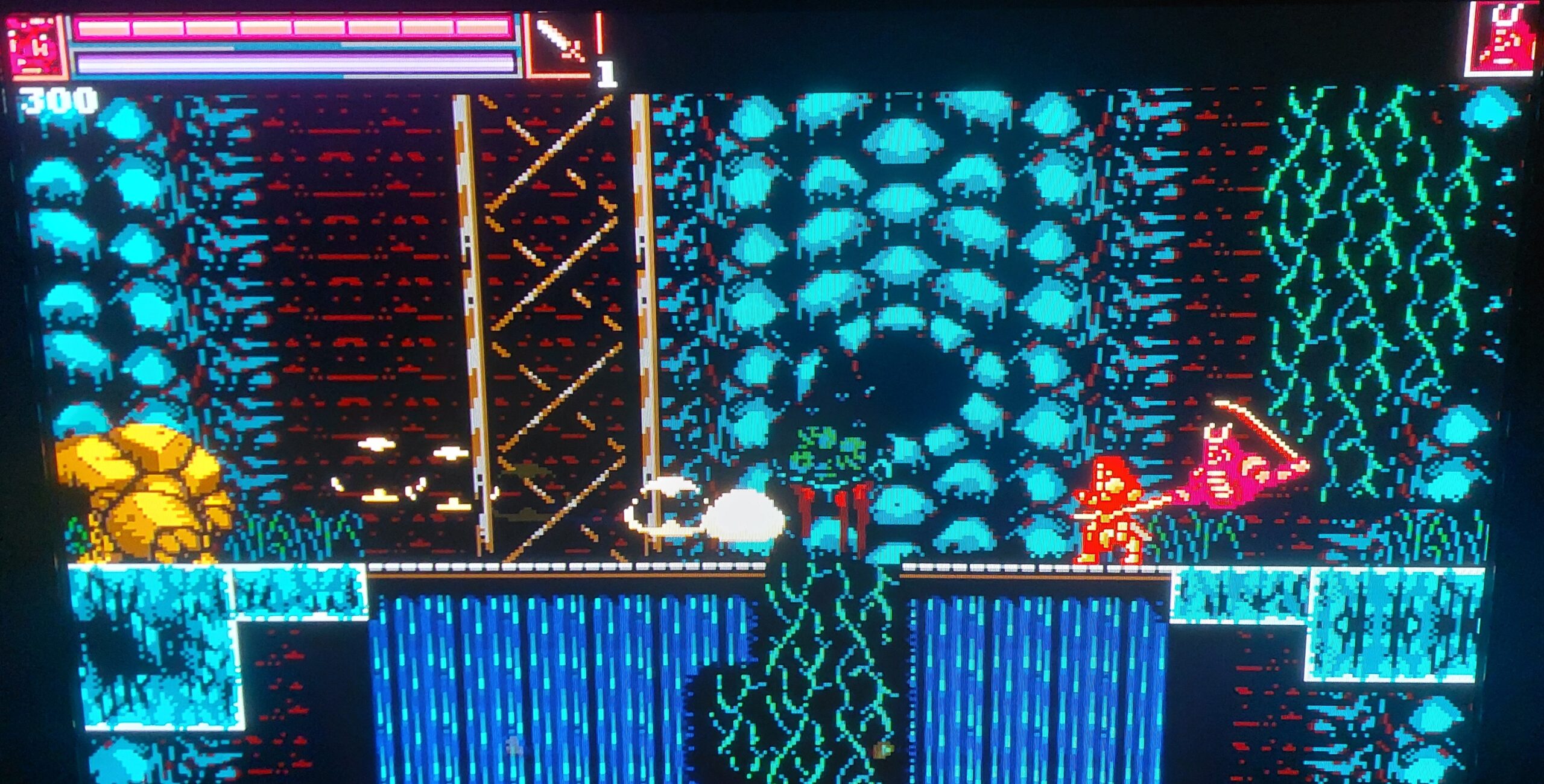
Lately, I’ve been playing Lords of Exile, and I have to admit, I’m hooked. One thing I immediately noticed is that the game only offers one difficulty setting: Normal.
Despite that, the platforming, enemy placement, and constant need to recognize attack patterns never felt impossible or confidence-breaking. Instead, the game challenged me to rely on the experience I’ve built over years of playing action platformers.
As someone who believes in finishing every game I start, I reached Stage 5 in less than 18 hours. The funny thing is, I could have finished the game nights ago, but I chose not to.
Sometimes it isn’t about proving what you can do in the moment—it’s about knowing you can finish and deciding to enjoy the journey instead of rushing to the ending.
The game’s difficulty never felt overwhelming, even on my first playthrough. I certainly died, but nowhere near as often as I would have years ago. The difference wasn’t that Lords of Exile was an easy game—it was that years of experience had already taught me how to approach games like it.
The enemies and bosses all have telegraphed attack patterns. Once you recognize them and learn when to move, every successful dodge and counterattack builds your confidence. That confidence reminded me of another experience I had while playing Cyber Shadow against Dr. Progen.
When I first reached the final battle, I struggled with his first form. It wasn’t until I slowed down, stayed patient, and paid close attention to his attacks that everything began to click.
Once I understood his patterns, I was able to conserve my health for the second and final phase of the fight.
That battle taught me something I’ll never forget. The boss didn’t become weaker with each attempt—I became stronger through every attempt.
Every retry gave me more knowledge, more confidence, and eventually took away the advantage the boss had over me. That realization is what helped me understand that difficult games don’t necessarily become easier. We become better at meeting the challenge.
Mastery Carries Over –
When I was growing up, a lot of people in the ’90s believed that video games were a waste of time and that you learned nothing from them. However, after gaming for 36 years, I can confidently say they were wrong. One of the greatest lessons gaming has ever taught me is mastery.
Every game I’ve played and beaten has contributed to the skills I rely on today. One of the most valuable is timing.
Referring back to my earlier Cyber Shadow example, I had to force myself to let things happen instead of trying to force the action. Timing became everything.
During my battle with Dr. Progen, I intentionally struck his orange barrier, causing my character to bounce backward just enough to avoid his pillar of flames. That moment taught me that sometimes the right move isn’t attacking more—it’s knowing when to attack.
Another lesson gaming taught me is patience.
I’ve always been willing to learn a game’s mechanics rather than rush through them. One of the best examples came from Black Myth: Wukong while fighting Yin Tiger.
He defeated me more than once, but every attempt taught me something new. Little by little, I began taking away his advantages until I finally defeated him. That battle showed me he wasn’t unbeatable—I simply needed to stay persistent.
Pattern recognition has become just as important.
Contra: Operation Galuga reinforced that lesson. Recognizing enemy and boss patterns often meant the difference between surviving and losing a life.
I learned to slow down, observe, and understand every attack instead of reacting blindly. Before long, those same patterns became familiar, and stages that once felt intimidating no longer seemed nearly as difficult.
One of the hardest lessons to learn was resource management.
Just because a boss or enemy deals heavy damage doesn’t mean defeat is inevitable. Sometimes it’s simply the game’s way of teaching you to value your resources. Shadow of the Ninja Reborn demonstrated this perfectly.
Even with a healthy life bar, powerful attacks could erase it in seconds. That forced me to think differently about every encounter. Instead of wasting healing opportunities or playing recklessly, I learned to conserve what I had for the moments that truly mattered.
Finally, there’s positioning, a skill many players overlook until they realize how important it really is.
For me, Ghosts ‘n Goblins Resurrection taught that lesson better than any other game. During my battle with Satan, standing directly beneath him created the best opportunity to deal damage, but I constantly had to reposition to avoid his attacks and prepare for the next opening.
Especially during the second half of the fight, understanding where to stand often mattered just as much as knowing when to attack.
Looking back, every one of these lessons carried over into the games that followed. Timing, patience, pattern recognition, resource management, and positioning all became part of how I approach difficult games today.
That’s probably why Lords of Exile feels much more manageable than it otherwise would. The game didn’t become easier—I simply brought decades of experience with me.
Difficulty is Relative
Why New Players See Something Different –
When it comes to video games, it can be argued that a new player and a veteran are playing two completely different games. They’ll encounter the same enemies, obstacles, and bosses, but their experiences couldn’t be more different.
The biggest difference is experience. A new player sees everything happening at once, while a veteran sees opportunities hidden within the chaos.
Take a game like Lords of Exile, for example. A new player may encounter enemies scattered across the screen and feel overwhelmed, wondering how they’re supposed to survive.
Every attack, jump, and obstacle seems to demand their attention all at once, creating that first chaotic challenge every player experiences.
Now compare that to a veteran. They’ll likely look at the same situation and think, “I’ve seen something like this before.”
Instead of panicking, they’re already positioning themselves, recognizing enemy patterns, and waiting for the right moment to attack. What looks overwhelming to one player becomes familiar territory to another.
Last night, I fought Galagar in Lords of Exile. He defeated me more than a few times, but I never found myself getting frustrated because challenges like that weren’t anything new to me.
I simply slowed down, watched his attack patterns, learned when to strike, and knew when it was time to back away. The same approach carried me through his second form.
By the time I reached the final boss, I realized something. The game hadn’t suddenly become less challenging—I had simply become more comfortable with everything it was asking of me.
Even on my very first playthrough, there was a lot to learn, but years of gaming experience allowed me to adapt much faster. That’s what made the experience so rewarding.
Difficulty Isn’t Always About Setting –
Most of us gamers are familiar with the difficulty settings found in many games—Easy, Normal, and Hard. We’re also familiar with games that don’t offer a choice at all, challenging every player on the same difficulty.
Along the way, we level up, get defeated, become stronger, survive longer, and unlock new abilities. Each of those moments has meaning on its own.
Together, they tell the story of how we overcome a game’s challenges. Looking back, getting defeated by that Ochu in Kilika Forest wasn’t simply because the battle was difficult.
It happened because I hadn’t yet gained the experience needed to overcome it. Once I learned its attacks and adjusted my strategy, the fight transformed from an impossible obstacle into another challenge I knew I could conquer.
That’s what I’ve come to realize about difficulty in games. The challenge isn’t always defined by the enemy standing in front of you—it’s often defined by how you approach that enemy.
Your experience, patience, and willingness to adapt shape the battle just as much as the game’s mechanics do. That’s why games that demand genuine improvement continue to teach valuable skills long after you’ve beaten them.
The Game Didn’t Get Easier, You Grew Into It –
To wrap things up, playing video games can be viewed from two very different perspectives. A new player sees every challenge as something unfamiliar, while a veteran often approaches the same situation as just another day at the office.
Experience changes everything. From the spells you cast and the shields you break to the special attacks you unleash, experience sits at the heart of every decision you make.
When I first started Lords of Exile, I never felt intimidated by what the game threw at me. Even while learning its mechanics, it reminded me of games like Castlevania III and the original Ninja Gaiden.
That’s also why I didn’t rush to the ending. I already knew what kind of journey I was on, and as I always say, sometimes it’s better to enjoy the ride than race to the finish.
The skills we develop in games like Contra: Operation Galuga, Shadow of the Ninja Reborn, and Ghosts ‘n Goblins Resurrection don’t disappear when the credits roll. Pattern recognition, positioning, timing, patience, and resource management all carry over into the next challenge. Every difficult game leaves behind something that prepares you for the next one.
Years pass, new games release, and before long you discover something interesting. Difficulty was never just about selecting Easy, Normal, or Hard. Those settings simply establish the challenge. What truly changes is the player. Every victory, every defeat, and every lesson quietly builds experience that you carry into future games.
I’ve played games for more than three decades, and I still make mistakes. I still get defeated. That doesn’t make me unstoppable. What it does mean is that every difficult game I’ve conquered has left me with something valuable.
Crash Bandicoot 4: It’s About Time taught me timing and precision. Ninja Gaiden 3: Razor’s Edge reinforced the importance of adapting to every situation. Elden Ring reminded me that the greatest reward isn’t simply defeating a boss—it’s becoming a better player because of the challenge.
Those lessons are worth more than any single victory because they’ll stay with me for the rest of my gaming life.
That’s why I can pick up a game like Valis I and immediately feel comfortable. The challenge may be new, but the skills I’ve spent years building are not. In the end, the game didn’t get easier. I simply became a better gamer.
If you’re looking for games that reward patience, observation, and real improvement, I’ve put together a collection of some of my favorite challenging games that helped shape me into the gamer I am today. Check out my Benable list below and see which one will test your skills next.
https://benable.com/RoddyMcG