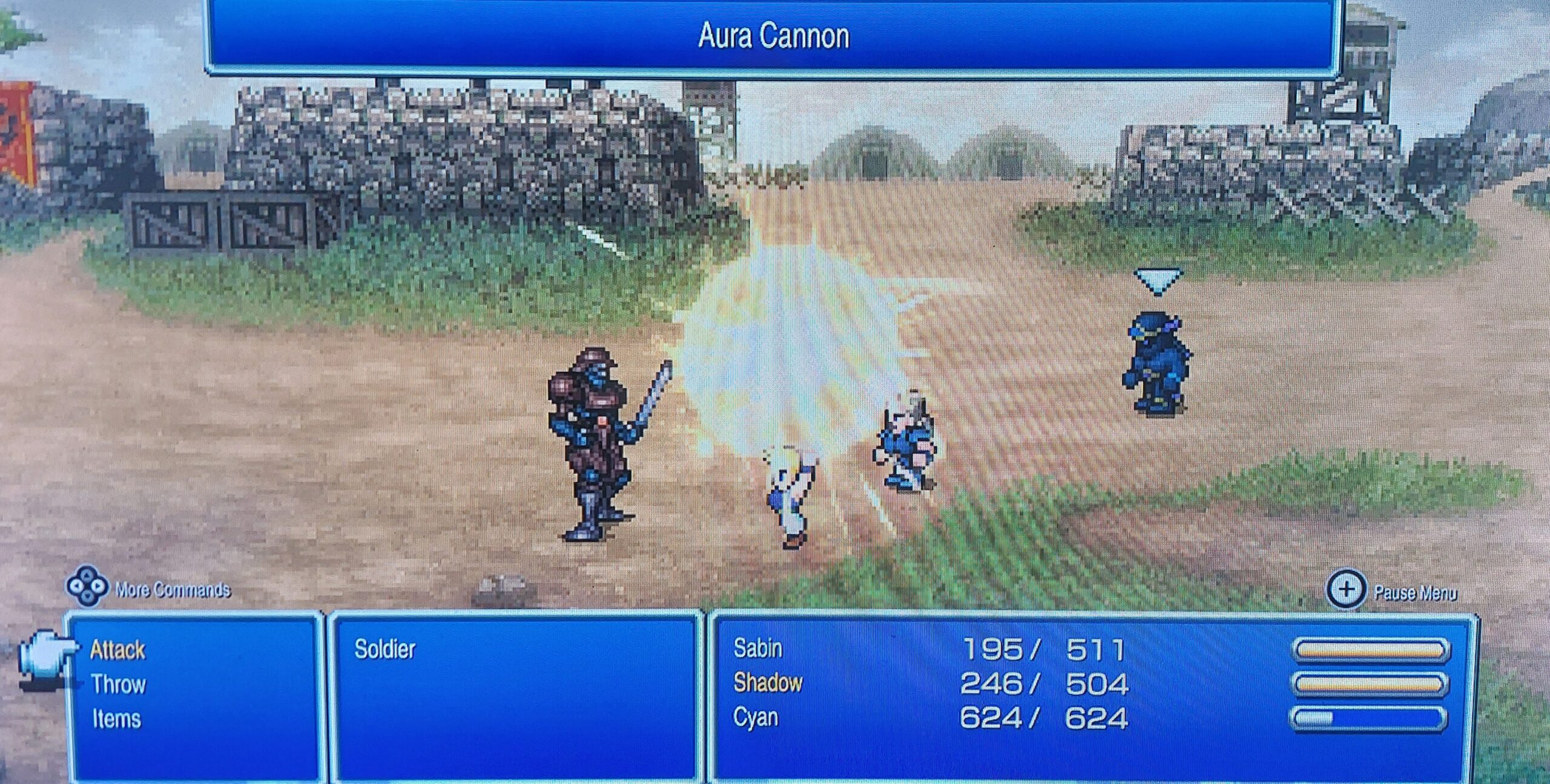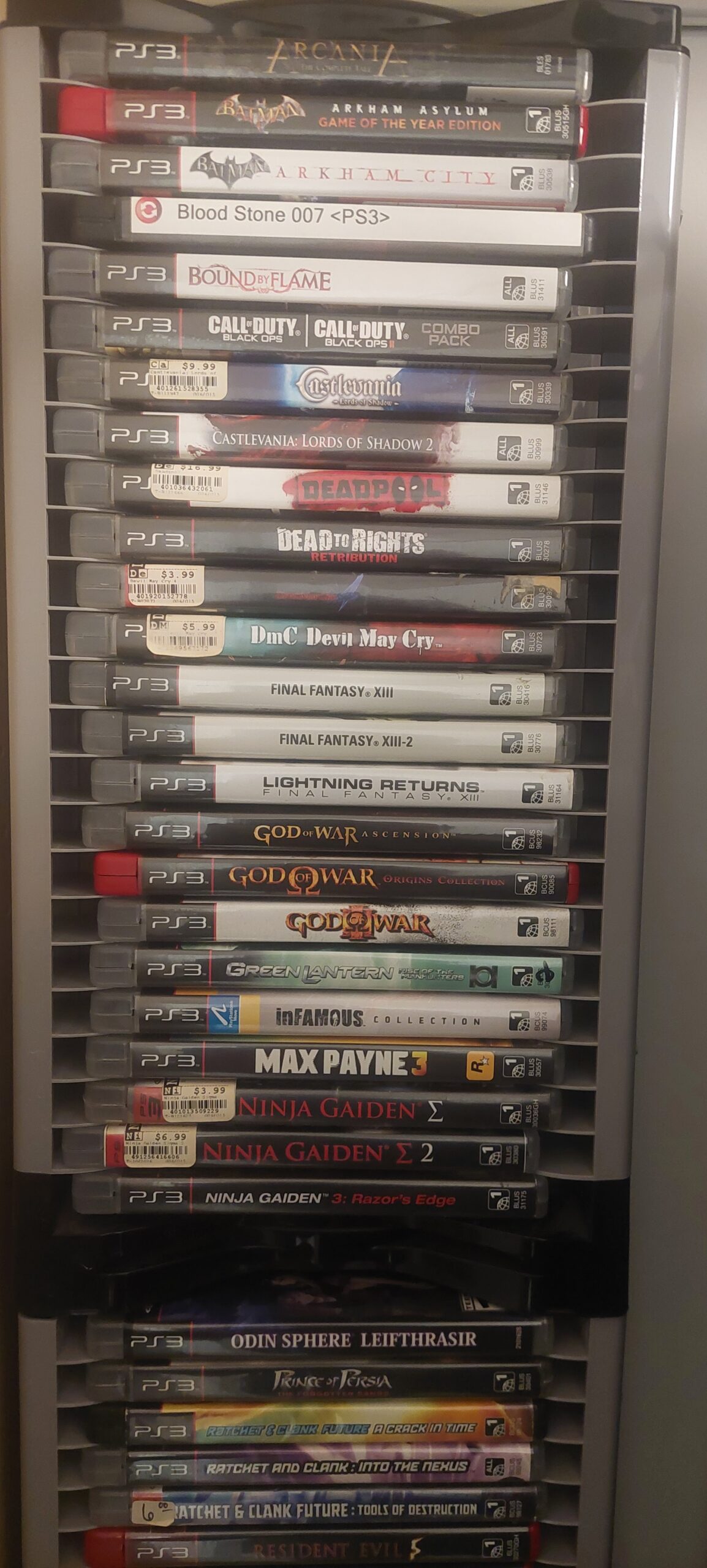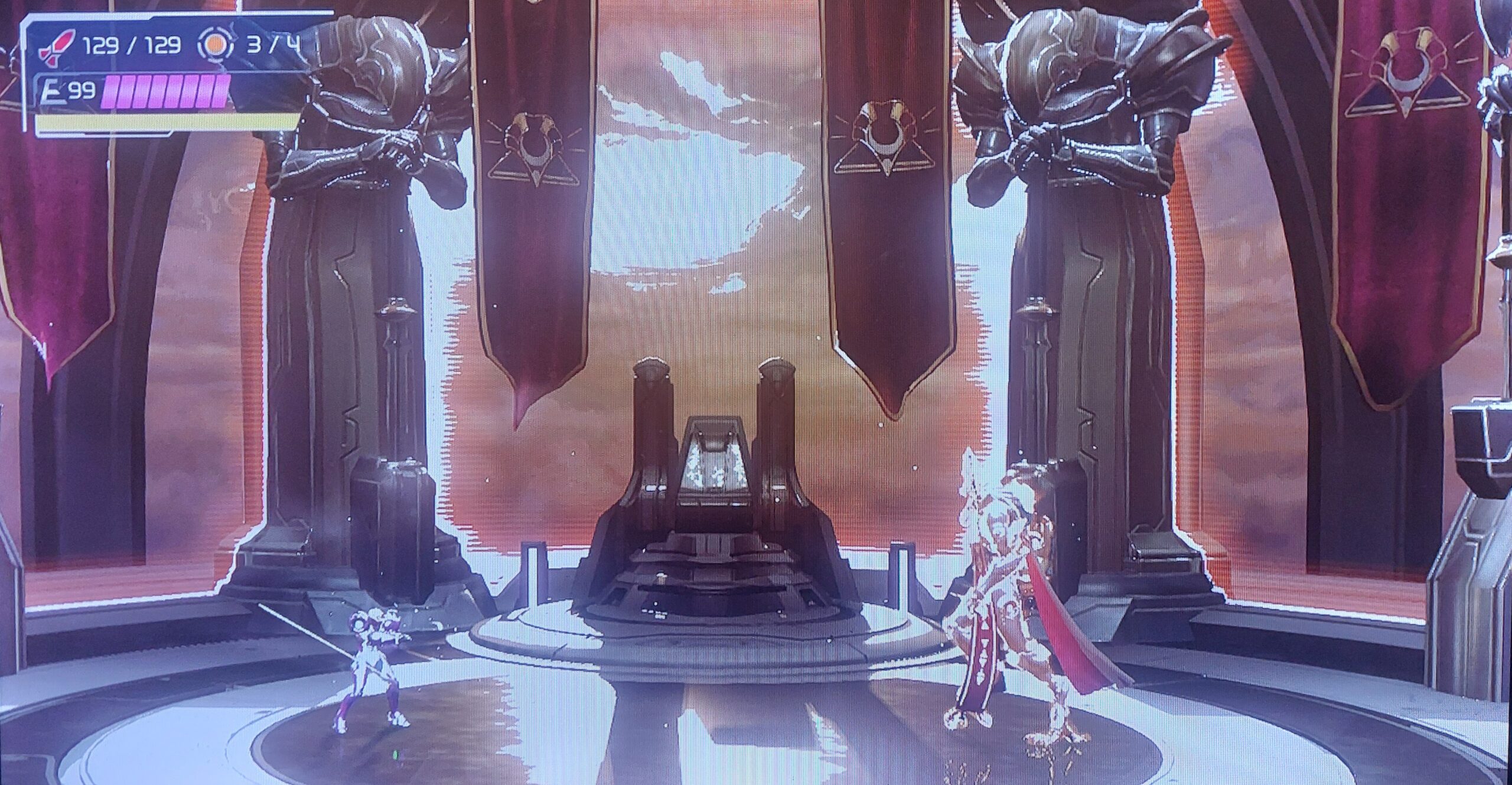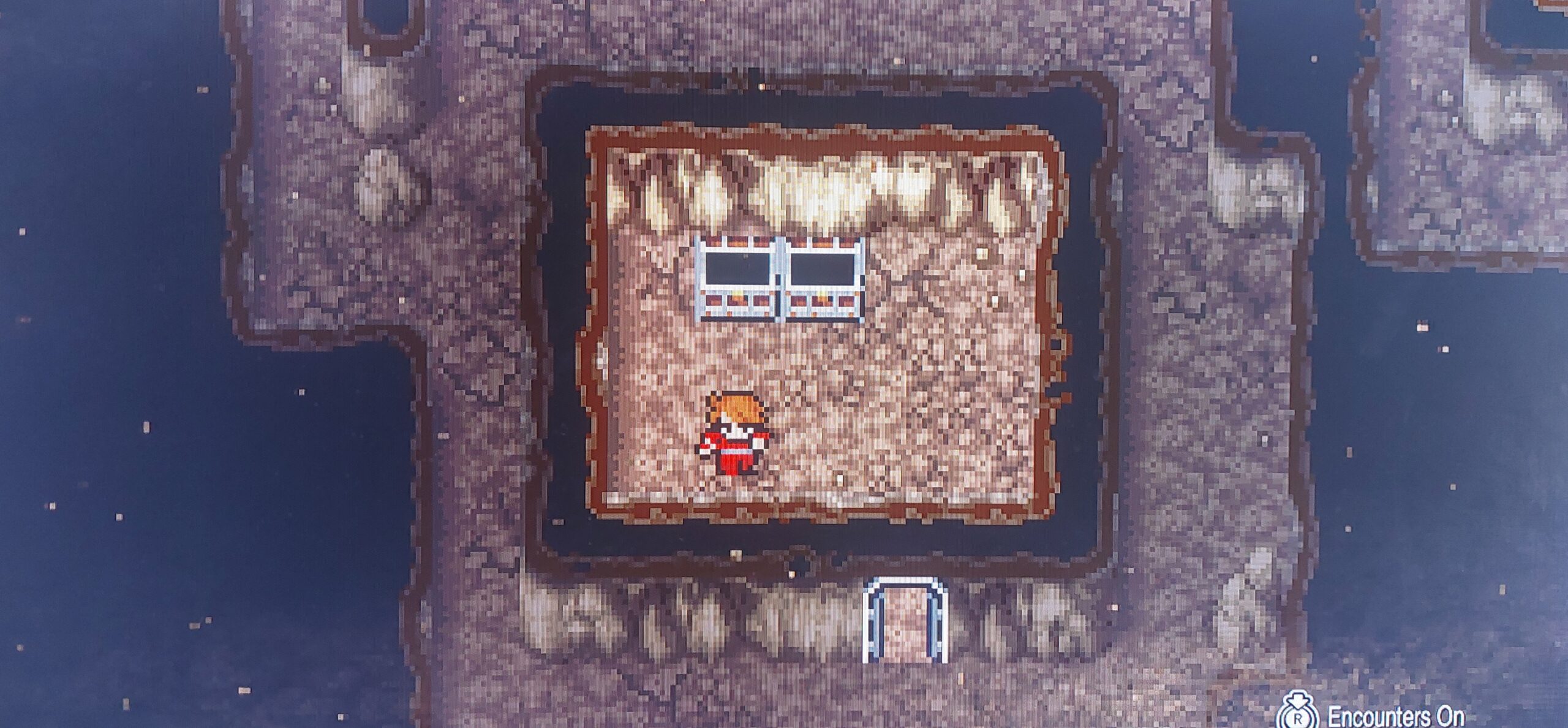

Intro, Why Replaying Older RPGs Hits Differently as an Adult –
In today’s world of modern gaming, there are certain games from years past that stay with us long after we’ve finished them.
We revisit these games not only because they meant something to us, but because they remind us of a simpler time in our lives.
For me, quite a few games end up on that list. Chrono Trigger is one. Mega Man 4 is another. Then there’s Super Mario RPG: Legend of the Seven Stars. That game defined a good portion of my late teenage years. Those were the days.
Even now, I find myself returning to games like Phantasy Star IV. Part of it is the incredible combination attacks, but another part is remembering who I was when I first played it. Every replay feels like a trip back in time.
When we think about comfort gaming, we think about the games that stuck with us. Games like Castlevania: Symphony of the Night, which remains one of the greatest classics ever made.
These are the games we return to when we need a break from the modern gaming landscape.
Sometimes it feels like we’re having a conversation with ourselves.
Maybe a difficult boss in a modern game has pushed us to our limits. Maybe we’ve had enough of endless maps, checklists, and busywork. So we fire up Chrono Trigger and think:
“Godrick was a complete tool and handed me my butt. I’m going to go take that frustration out on Giga Gaia and Queen Zeal for destroying her own kingdom.”
That’s the magic of these games. They’re familiar. They’re comforting. And most importantly, they’re fun.
The replayability of these classics is what keeps us coming back. If I boot up Castlevania Requiem today, I get access to Castlevania: Rondo of Blood, a game I never had the chance to play as a kid. Experiencing it now as an adult feels like discovering a lost piece of gaming history.
Comfort games are exactly what the name suggests. They’re the games we return to when we want a break from modern gaming or when we simply want an experience that connects with us on an emotional level.
For me, replaying Mega Man X still brings back memories of the first time I experienced it.
I was around fifteen years old, and discovering the hidden armor upgrades that transformed X into a powerhouse completely blew my mind. Even today, that sense of discovery remains special.
Modern games certainly try to capture that feeling, and many of them come close, but there’s something unique about those older experiences that can’t quite be replicated.
One thing becomes painfully clear whenever I revisit these classics:
Retro games will always be a place we can call home.
They’re the games we return to when we need a break from modern gaming, when we want to reconnect with a simpler time, or when we’re looking for great entertainment that respects our time as players.
Area 1, Familiarity, Nostalgia & Emotional Safety –
Today, many of the games we grew up with are available in collections and remasters designed to help preserve those memories for future generations.
Whether it’s Final Fantasy X, Final Fantasy XII, or Final Fantasy IX, these games have become emotionally comforting because we know them inside and out.
Think about it. When we revisit a game like Final Fantasy IX and find ourselves running through Alexandria Castle during the rescue of Dagger after the Eidolon extraction ritual, we’re stepping back into a familiar experience.
We know what’s coming, we know where we’re going, and we know how the story unfolds.
That familiarity is comforting.
For me, I usually spend a few extra minutes during the rescue sequence fighting Beatrix’s soldiers before moving the story forward. The payoff isn’t just extra experience points—it’s the feeling of settling into a world I know and enjoy.
Unlike modern games that often throw new dangers, mechanics, and surprises at us every few minutes, older RPGs give us something increasingly rare: predictability.
They become a safe place where we can relax and enjoy the journey without constantly feeling pressured.
The same thing happens when replaying games that give us complete control over how we spend our time. Instead of rushing from objective to objective, we can stop, explore, and pick up useful items along the way.
Whenever I replay Wild Arms 5, my favorite game in the series, I think about how much my approach has changed over the years. What I call the “X, Y Treasure Hunt” has become part of my natural progression through the game.
Rather than waiting until the endgame to gather upgrades and treasures, I collect them as I travel from location to location.
That approach allows me to grow stronger naturally without grinding or going out of my way to prepare. The game rewards exploration, and knowing I’m becoming more powerful simply by playing thoughtfully is rewarding in its own right.
I feel the same way about Castlevania: Symphony of the Night.
I still remember seeing the game at FuncoLand during the summer of 1998 when I was seventeen years old. The moment I saw Richter Belmont standing before Dracula at the beginning of the game, I knew I wanted it.
A year later, I walked more than five miles from my parents’ house to the mall just to buy my own copy. I was thrilled when I finally brought it home.
I played that game relentlessly and often told myself that nothing would ever stop me from replaying it. Today, thanks to the Castlevania Requiem collection, those memories remain just as accessible as ever.
The same emotional connection exists in Phantasy Star IV.
When Alys dies, the story truly begins to shift as Chaz starts learning what it means to become a hero.
As a teenager, I didn’t fully appreciate the significance of that moment. I was more interested in gaining new abilities, acquiring powerful weapons, and becoming stronger.
Years later, I understand that Alys’ death was about much more than a plot twist. It was a defining moment for Chaz’s growth and one of the emotional pillars that made the game so memorable.
That’s what makes these games special.
The nostalgia isn’t rooted in graphics or technical achievements. It’s tied to the emotions we experienced while playing them and the memories we created along the way.
When given the choice between revisiting the prehistoric era in Chrono Trigger or navigating the dangers of Skyrim for the hundredth time, there are times when the simpler choice wins.
Not because one game is better than the other, but because Chrono Trigger allows us to reconnect with a part of our gaming history that helped shape who we are.
More often than not, we’re not replaying the game itself.
We’re replaying the moments, memories, and emotions that came with it.
Area 2, Comfort Games Has, and Always Will, Respect the Gamer’s Time –
One thing I’ve noticed over the years is that many of our favorite comfort games weren’t necessarily short, but they were focused.
Take Chrono Cross, for example.
When it first arrived on the original PlayStation in August of 2000, I was nineteen years old. Even then, the game wasn’t excessively long. A typical playthrough could take around fifty to sixty hours, which felt substantial without overstaying its welcome.
More importantly, Chrono Cross always felt like it was moving forward.
Whether you were exploring Fort Dragonia, hunting down Elements, or experiencing Serge’s transformation into Lynx, the game constantly pushed you toward the next major story beat.
There wasn’t a lot of unnecessary filler standing between you and the adventure.
That’s one of the reasons the game remains so replayable today.
The same can be said for many of the classic action games we grew up with.
Games like Ninja Gaiden Sigma, Ninja Gaiden Sigma 2, and Ninja Gaiden 3: Razor’s Edge understood the importance of maintaining focus. They put players on a path and challenged them to master it.
The goal wasn’t to overwhelm you with endless objectives. The goal was to create an engaging experience from beginning to end.
Even a game like Comix Zone follows that philosophy.
It isn’t a massive hundred-hour adventure. Instead, it tells its story through its gameplay, takes players on a memorable journey, and then concludes when its story has been told.
There’s something refreshing about that approach.
The game doesn’t try to stretch itself beyond what it needs to be. It respects your time, delivers its experience, and takes a bow when it’s finished.
That’s one reason so many gamers find themselves returning to these older titles.
Modern games often operate under a “more is better” philosophy. Bigger worlds. More quests. More collectibles. More activities. More content.
The intention is understandable. Developers want players to feel like they’re getting the most value possible for their money.
The problem is that more content doesn’t always create a better experience.
Sometimes it creates distractions.
Sometimes it creates filler.
And sometimes it creates burnout.
Take Chrono Trigger as an example.
Even today, I’d rather spend an evening making my way through Magus’s Castle than spend that same amount of time repeatedly attempting a difficult encounter while trying to figure out the optimal route through a modern open-world game.
Not because one game is objectively better than the other, but because Chrono Trigger knows exactly what it wants to be.
It wastes very little of the player’s time.
The same applies to games like Shinobi III: Return of the Ninja Master. In the time it takes to plan, prepare, and execute a lengthy objective in some modern games, you can make meaningful progress through an entire stage and feel genuinely rewarded for your efforts.
That’s the difference.
Older games often focused on delivering memorable moments instead of endless content.
Crash Bandicoot: Warped is another great example. Earning a Platinum Relic feels rewarding because the game values your time and skill. The challenge is clear, the objective is straightforward, and success feels meaningful.
Likewise, whenever I replay Shining Force II and reach the battles surrounding Mitula’s Shrine, I’m immediately transported back to the excitement of preparing my promoted force for the challenges ahead.
Those moments still matter.
Those memories still resonate.
And that’s why these games remain comfort games decades later.
They give as much as they take. They challenge us without exhausting us. They provide meaningful progress without burying us beneath unnecessary content.
Comfort games will always have a special place in our hearts because they:
- Don’t try too hard to impress us.
- Keep us connected to some of our greatest gaming memories.
- Respect our time while delivering memorable experiences.
As long as we’re gamers, there will always be certain games we return to long after they’ve stopped being relevant in the broader gaming conversation.
Not because they’re trying to impress us.
But because they continue to provide something many modern games struggle to deliver:
Focus, pacing, replayability, and respect for the player’s time.
Area 3 Opening, Why Some Games Become Comfort Games We Replay For Years –
Games like Castlevania III, Castlevania: Symphony of the Night, and Chrono Trigger are perfect examples of comfort games. We return to them years after their release, and they continue to age beautifully because we know them inside and out.
Take Symphony of the Night, for example. When you walk into the Alchemy Laboratory, you already know what awaits you. You know where the enemies are. You know the layout. You know the challenges that lie ahead.
That familiarity creates a sense of comfort.
In many ways, these games feel like old friends. We aren’t entering unknown territory or bracing ourselves for unexpected surprises around every corner. Instead, we’re stepping back into a world we’ve already explored and understand.
That’s part of what makes these games so appealing after all these years.
Their predictability provides a sense of security. We know the rules. We know the dangers. And because of that, we can relax and enjoy the experience rather than constantly worrying about what might happen next.
For many gamers, that sense of familiarity is exactly why comfort games remain such an important part of our gaming lives.
Area 3 Gameplay Feel, Music & Atmosphere Never Truly Age –
Whenever I post screenshots from games on my personal Facebook page or gaming page, people probably see another retro game being replayed yet again.
What they don’t always see is the reason behind it.
I’m not replaying these games simply to create memories. I’m replaying them because the games themselves continue to draw me back in.
Take Shadow of the Ninja Reborn on Nintendo Switch.
Part of its appeal comes from how comfortable it feels to play. The controls are responsive, the action is straightforward, and the atmosphere allows me to slow down, take my time, and dismantle enemy strongholds at my own pace.
There is something relaxing about knowing exactly what kind of experience awaits me every time I start a new session.
The same applies to Mega Man X.
Even today, I instinctively press the jump and shoot buttons together. Years ago, I learned that it was one of the safest and most effective ways to play. Be ready to jump. Be ready to fire. Be ready to move if danger appears.
That knowledge never leaves you.
Resident Evil 4 is another perfect example.
In my opinion, it’s still the greatest Resident Evil game ever made. Part of its success comes from how naturally everything works together. The controls, the pacing, the atmosphere, and the tension all combine to create a memorable experience.
Even the sound effects become familiar companions. Certain noises still make you stop and pay attention, but instead of creating anxiety, they remind you of the journey ahead. You know what those sounds mean because you’ve heard them countless times before.
Chrono Cross creates similar feelings.
Whenever I arrive in Marbule in Another World, I already know why I’m there. I’m stocking up on Trap Elements in preparation for future bosses. It’s a routine I’ve repeated many times.
Yet every time I reach that point, I find myself reflecting on something else.
I realize that a major portion of the adventure is already behind me.
Suddenly, it’s not just about buying Trap Elements anymore. It’s about remembering where the journey is headed and appreciating the memories attached to that section of the game.
That’s what comfort games do.
They become less about objectives and more about experiences.
Instead of worrying about finding every item, uncovering every secret, or completing every checklist, we relax and allow the game to unfold naturally.
We stop thinking:
“I have to find this right now.”
And start thinking:
“I’ll get there when I get there.”
That’s a powerful feeling.
These games remove pressure rather than create it.
Maybe you just spent hours struggling against a difficult boss in a modern game. Maybe you’ve been frustrated by endless objectives, overwhelming maps, or mechanics that demand your constant attention.
Then you load up Chrono Trigger.
Immediately, everything feels familiar.
Comfortable.
Almost like coming home.
The characters, the music, the locations, and the memories attached to them never seem to grow old.
That’s because comfort games aren’t simply games we replay.
They’re places where our gaming memories live.
And every time we return, they welcome us back as if we never left.
Area 4, Comfort Games Become Part Of Our Identity –
Comfort games come in all shapes and sizes, so to speak, and their goal has always been to mold us gamers into long time fans.
I dare say that Resident Evil is one those genres that have done exactly that, with its great storytelling and gameplay, I’ll never get bored with killing the Regenerators, that’s my comfort food when I have bad days.
The atmosphere, the pacing, the satisfaction when you finally blow the head off of those chainsaw wielding maniacs. Then it becomes a heavy sigh of relief that you’re fending off zombie hordes and not humanoid enemies that can one shot you.
Returning to games like Resident Evil 4, Chrono Cross and even Castlevania; you have to wonder why we do it. The answer is simple, even though we’re gamers, we still enjoy that non-stressful game.
When I return to any of those games, I do it not only for the emotional connection that lives because that connection is all of the comfort I need to remind myself that there are some games that are always worth revisiting.
More times than not, we gamers always think about what brought us before that game in the first place and the answer is always the same, this is home to us.
See, to us gamers, it doesn’t matter how many games we play and beat. The modern games are never going to hold a candle to those comfort games we’ve come to love oh so much.
At the end of the day, it doesn’t matter to me what weapons I get for the rest of the game, I just pop in one of my favorites games because getting through feel less like a chore and more like enjoyment.
Conclusion –
Comfort games come in all shapes and sizes, and their greatest achievement is turning players into lifelong fans.
Resident Evil is a perfect example.
Between its atmosphere, storytelling, and gameplay, it’s a series I never seem to grow tired of revisiting.
Even today, there’s something satisfying about facing Regenerators, surviving overwhelming enemy encounters, and finally putting down those chainsaw-wielding maniacs that have terrified players for decades.
Part of the appeal is the relief that comes afterward.
You survive the encounter, take a deep breath, and move on.
That feeling never gets old.
The same can be said for games like Chrono Cross, Castlevania, and countless other classics we continue to revisit years later.
The question is: Why?
The answer is surprisingly simple.
Even as gamers, we still crave experiences that allow us to relax.
We return to these games not only because of their gameplay, but because of the emotional connection we’ve built with them over the years.
They remind us of who we were when we first played them and the memories we created along the way.
More often than not, when we think about what brought us back to a particular game, the answer is always the same:
It feels like home.
It doesn’t matter how many modern games we play or how many new adventures we complete. There will always be certain classics that occupy a special place in our hearts.
Those games aren’t competing for our attention.
They’ve already earned it.
At the end of the day, I don’t care what the newest release is or what powerful weapon I’m chasing in another game.
Sometimes I’d rather load up one of my favorites because the experience feels less like a task and more like pure enjoyment
Furthermore,
My biggest takeaway is that comfort games will always be there for us.
Whether it’s Chrono Cross, Castlevania, Resident Evil, or another beloved classic, these games help keep us grounded even during the most chaotic times.
The memories attached to them stay with us forever because they respect the time we invest in them, and in return, they provide experiences that continue to resonate years later.
Familiarity plays a major role in that connection. You boot up Castlevania: Symphony of the Night and suddenly you’re transported back to a simpler time.
The music starts playing, the castle opens before you, and for a few moments, everything feels right. Modern games will never be able to replace that feeling.
Next, Why Older RPGs Still Feel More Personal Than Modern Ones.
If this article brought back memories of your own comfort games, check out my Benable list, Retro Games That Feel Like Home.
It’s a collection of classic games that continue to stand the test of time through their gameplay, memories, and replayability.
https://benable.com/RoddyMcG/comfort-games-i-keep-coming-back-to