Intro –
Most times, when we gamers play through a game, it resonates with us almost to the point where a replay can fix something or help us see something we refused to see before. If you used a guide on your first run, how can you be sure it told you everything? What might you discover on your own once the guide is no longer telling you what to find or where to go?
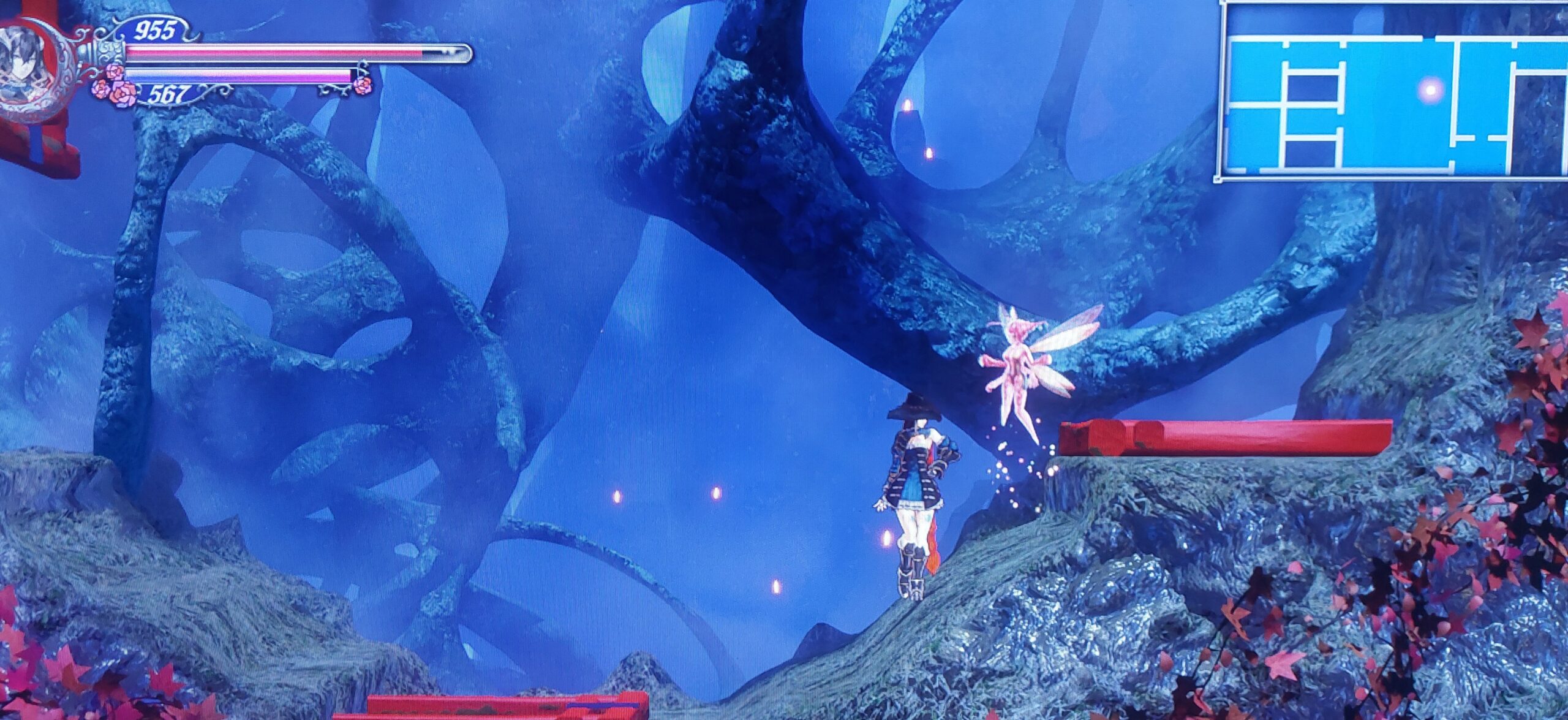
When choosing to replay a game, it can seem as though you’re merely repeating yourself, but there are different sides to that—more on those later. A replay isn’t simply returning to something unfinished. It’s more like saying, “The guide helped me learn, but doing this myself is where the real fun begins.” When I replayed Bloodstained: Ritual of the Night, it wasn’t to create the ultimate Miriam. I wanted to create my own experience by seeing what I could do differently the second time.
Sure, much of what I encountered was familiar, but I still made some powerful discoveries. Something as simple as taking the time to find my own way across the vast lava pool in Inferno Cave felt different from rushing through it the first time.
My argument today is simple: a replay isn’t about redoing everything exactly as before; it is a second look and an opportunity to do something differently. Far from being a waste of time, it allows you to smooth out the rough edges of your original playthrough, as it were.
That said, come with me.
First Playthrough, Learning is the Goal –
Make no mistake: your first playthrough will always revolve around one major goal—milking the game for everything it is worth by learning everything you can. There is nothing wrong with giving that initial playthrough your undivided attention, but there will always be something you want to experiment with later. For example, receiving a random ability or weapon during your first run might make you wonder what the next playthrough would feel like without relying on those same items.
When I first played Bloodstained: Ritual of the Night, I acquired many different powers without stopping to consider how much luck influenced what I received. During my replay, I obtained a few of those same powers, but I also discovered many more because I wasn’t focused on recreating my original experience. Learning a game for the first time can sometimes make you negligent of things sitting in plain sight.
I remember playing Ben 10 Alien Force: Vilgax Attacks. On Encephalonus IV—Brainstorm’s homeworld—there were two Plumber Badges I completely missed. The first was inside the cube room with the lasers. You had to guide the lasers with the cube to open the exit, but before doing that, you could redirect the laser toward a door in the back. The second badge rested on a ledge that required Spidermonkey to reach it. I missed both during my first playthrough, but I was much more observant when I returned.
Being unfamiliar with a level doesn’t mean it deserves less of your attention. If anything, it deserves more. There will always be uncertainty about getting through an unfamiliar area, but slowing down can reveal hidden paths and items before you move forward.
From my experience, games reward observation and patience while punishing unnecessary haste. A replay gives you another opportunity to provide the attention you couldn’t always spare while learning everything else. Ultimately, you only get as much out of that replay as you are willing to put into it.
Knowledge Changes How I Play –
Experimentation is one of the best ways to prepare for anything a replay might throw at you. When I replayed Resident Evil 4 Remake, I initially used my sniper rifle against the Regeneradors because I thought it was the easiest way to eliminate them.
Later, I attached the Biosensor Scope to the LE 5 and wondered what would happen. I struck gold. I watched the experiment work and no longer had to wait around or risk taking damage from those regenerative bullies. Experimenting and gathering the right equipment gave me a safer option.
It also prevented me from burning through my entire supply of healing items while gunning down those regenerative annoyances. Replaying different encounters makes the knowledge you’ve accumulated count for much more. It isn’t enough to know one way to kill something.
You must also be willing to test other weapons and strategies that might handle the situation more effectively. The control comes from understanding your previous mistakes and refusing to repeat them.
As I said, I don’t want to become dependent on one specific method of killing enemies. I change my strategies almost immediately. Whenever I play or replay a Resident Evil game, I switch weapons every five to seven kills—and sometimes every two or three.
A replay gives you the control to determine what works and what doesn’t. Knowing how to kill an enemy doesn’t necessarily mean you’re using the most effective method.
For example, in Resident Evil Village, I once relied on the Magnum against almost every tough enemy. After strengthening my other weapons, however, I began saving the Magnum for bosses such as Urias—who, might I add, went down after five shots to the head.
The difference between familiarity and mastery follows one rule: one size does not always fit all. Familiarity means knowing a strategy that works. Mastery means recognizing when another strategy works better.
Replay vs. Self Imposed Rules –
I created many self-imposed rules over the years. I saved my hardest-hitting weapons for last. Rocket Launchers were strictly “in case of emergency” weapons. Every Grenade Launcher shot had to land because wasting even one felt like a crime against the game. I did this back when I played Max Payne heavily, always saving the Jackhammer and Grenade Launcher for emergencies.
When I chose to replay those games, I decided to stop allowing those self-imposed rules to wreck my gameplay. Nothing lasts forever, yet there I was trying to preserve my most powerful weapons until the very end.
Ratchet & Clank is another example. I tried using every weapon in situations that didn’t call for it because I wanted to maximize everything. I used weapons against the wrong enemies, created unnecessary frustration, and sent the excitement of the replay straight down the toilet. Eventually, I started reading the battlefield and using whichever weapon the situation called for. I stopped overthinking how to maximize everything and allowed the replay to handle that progression naturally.
Using a weapon suited to the situation is better because most weapons have particular enemies they were designed to handle. Rocket Launchers, for example, are best suited for large enemies and bosses. In the PS4 remake of Ratchet & Clank, I bought the Warmonger on Batalia, but I didn’t waste it on regular enemies I could have killed a hundred other ways.
During that replay, I wanted to become better at reading what was directly in front of me. The experience gave me a new perspective on using my time to learn instead of falling back on old habits.
That is when I realized that letting go of self-imposed rules is what can give a replay its real value. It isn’t always about finding something you missed or noticing some invisible ledge sitting out of sight. Sometimes, changing the rules you carried into the game is the discovery that matters most.
Conclusion –
To wrap things up, replays allow you to focus on enjoyment when you take the time to draw outside the lines. In other words, stop conducting the replay exactly like the initial playthrough. It isn’t about reaching the finish again; it is about approaching the journey from your own perspective instead of following the path the game originally placed before you. Strategies, routes, and gameplay challenges become experiments rather than straight-line objectives, and that can give a replay its real value.
There may be times when you like every power you receive except the one you actually wanted. Grinding is always an option, but for me, that can cheapen the replay by turning experimentation back into obligation. As I’ve said from experience, the value comes from what **you are—YOU ARE—**doing differently, not what you were instructed to do.
Whether returning changes your opinion of the game is entirely up to you. However, you shouldn’t expect the game itself to give you more than it provided during the original playthrough. A replay gives you perspective. It gives you room to make mistakes, conduct experiments, and make the experience your own. No video or guide can create that perspective for you; it comes from returning and making those decisions yourself.
Replay equals your game, your way.
A replay becomes more enjoyable when you have the freedom and equipment to approach it on your own terms. If you’re preparing to revisit an old favorite, I’ve assembled a list of gaming essentials that can make the experience more comfortable, organized, and enjoyable.
Continue the adventure with my Benable list: Gaming Gear That Makes Every Replay Better.
Leave a Reply