Intro –
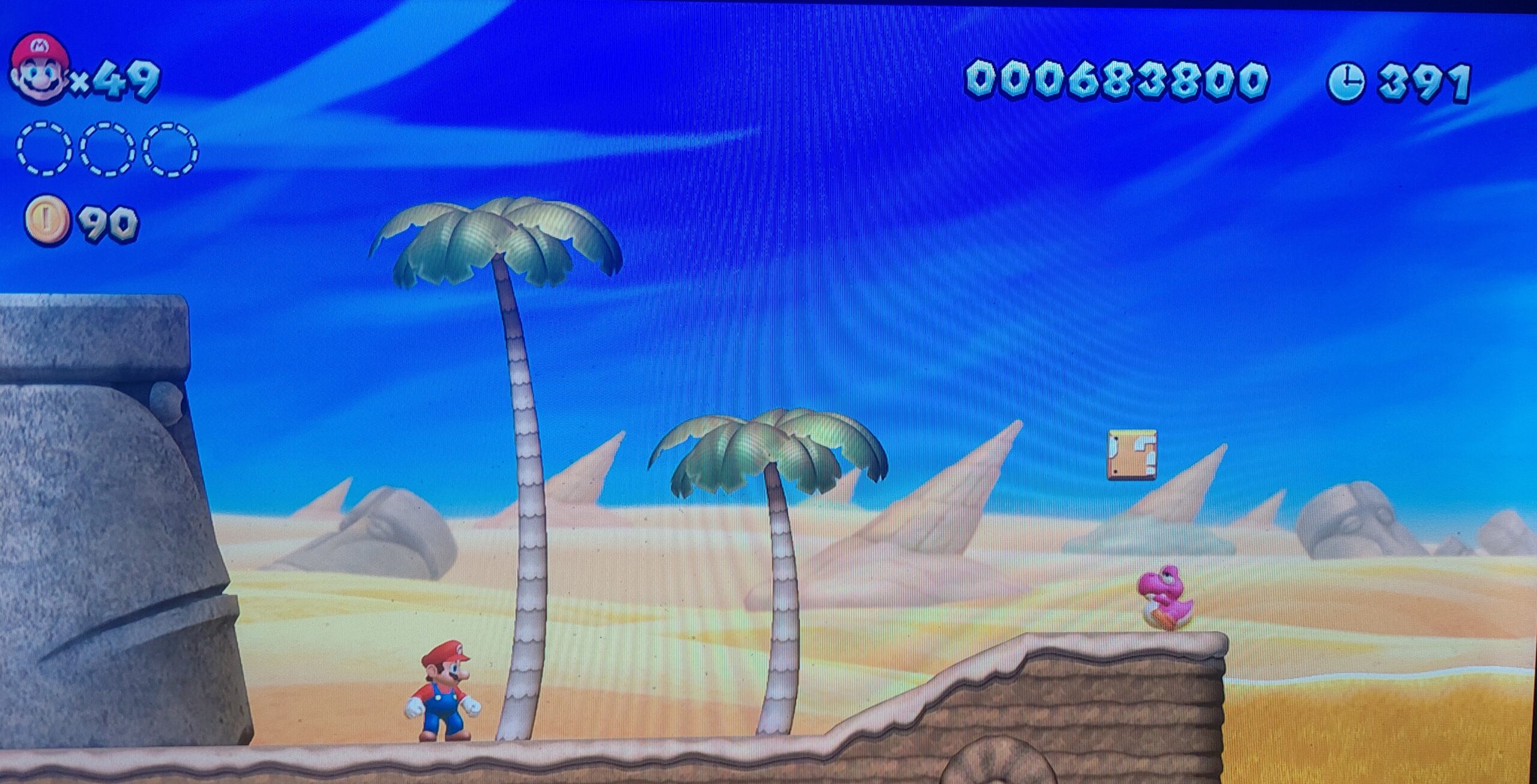
You know, it’s not every day we gamers come across a game so awesome that it eventually becomes mentally exhausting. One of the biggest reasons is burnout, and that’s exactly why I’m writing about it today. Burnout is a very real thing that many gamers don’t seem to put much stock in. Sure, I could have turned this into a game review, but this topic took precedence, especially since I recently experienced it myself while playing Super Mario Bros. U Deluxe.
Now, don’t get me wrong—the game isn’t bad by any means, and I genuinely enjoyed it. However, there were times when I felt overwhelmed by the amount of content and the way the game demanded long play sessions.
That’s one of the reasons I loved Super Mario Bros. 3 so much. It provided the right kind of challenge without becoming mentally exhausting. Something that would normally take five or ten minutes in another game often turned into a much longer session.
Eventually, I reached a point where I felt like I simply needed to step away for a while because the game had drained my energy. Before this experience, I never really thought there was much of a difference between disliking a game and being burned out by one. After playing Super Mario Bros. U Deluxe,
I realized there absolutely is. Today, I want to help you understand that just because a game is good and keeps your attention doesn’t mean you can’t become burned out by it. In fact, you absolutely can—and recognizing the signs may help you avoid that same experience in the future.g the same when it comes to other games you play.
Liking a Game Doesn’t Mean You’ll Always Want to Play It –
When I first sat down to play Super Mario Bros. U Deluxe, one of the things I enjoyed most was the level design and how easy it was to collect the Star Coins without overcomplicating the process.
I also liked how different power-ups, such as the Super Acorn and Ice Flower, made navigating the levels feel fresh and enjoyable. However, as I progressed through the game, I began to notice that some of the levels seemed to drag on much longer than I expected.
One example was the number of pipes you had to travel through just to reach another section of a level or collect a Star Coin. I especially felt this way during the Secret Levels, which, if I’m being honest, became mentally exhausting.
It wasn’t enough to simply complete a level—you also had to collect every Star Coin, and that often meant returning later to replay sections just to grab the ones you missed during your first run.
There were times when I felt so mentally exhausted that I simply wanted to put the game down and play something else. Burnout and disliking a game are not the same thing.
A game can be genuinely good while also making you feel like jumping back into it isn’t an immediate priority. What made this even more noticeable was that, even after returning to collect everything I had missed, I still didn’t feel excited to continue.
Make no mistake, I still believe Super Mario Bros. U Deluxe is a good game and, under the right circumstances, one that’s absolutely worth playing. It teaches you to think outside the box because every challenge is different and no two levels are exactly alike.
I can appreciate that. However, my burnout reached a point where taking a break felt like the better decision because finishing the game was no longer the priority—recovering my enjoyment of it was.ecomes my job instead of enjoying the game.
The Save System Became the Biggest Obstacle –
The save system—or, more accurately, the lack of a traditional one—ultimately hurt the experience for me. I’m used to playing games that allow me to save after reaching certain checkpoints or automatically save my progress after significant moments.
With Super Mario Bros. U Deluxe, however, I constantly felt like I was racing to reach a point where I could use the Quick Save feature before calling it a day. While Quick Save technically worked, it never felt like a true save system.
The problem was that Quick Save only suspended the game instead of permanently saving my progress. If I forgot to use it before quitting, hours of progress could disappear instantly.
That simply wasn’t an option for me because, as I mentioned earlier, being able to save allows me to recover from mental exhaustion without worrying about losing everything I’ve accomplished.
For example, Black Myth: Wukong gave me regular opportunities to save my progress, allowing me to step away, recharge, and come back feeling refreshed. That system helped prevent burnout instead of encouraging it. In Super Mario Bros. U Deluxe,
I often found myself replaying Koopaling Castles and Boom Boom Towers simply so I could create a permanent save without worrying about losing my progress.
What made this especially frustrating was that I had to repeat this process every time I wanted to end a play session. It wasn’t enough to fight through a difficult level and collect all three Star Coins—I also had to clear a tower or castle before the game would allow me to make a permanent save.
Over time, that routine became mentally exhausting. At that point, burnout became a very real possibility, and finishing the game in one sitting no longer felt like a realistic or enjoyable goal.
Sometimes the Best Decision Is to Step Away –
As a countermeasure to break up the game’s monotony and recover from burnout, I decided to start playing Valis III. I made that decision because I had reached a good stopping point in Super Mario Bros. U Deluxe. Even if I didn’t finish it until after beating Valis III, I knew I’d still be in good shape.
Playing Valis III gave me something completely different to enjoy. Instead of another long platforming session, I was slashing enemies with a sword, using magic, and experiencing a faster-paced game. It was exactly the change of pace I needed.
Taking a break helped me realize that just because a game is giving you everything you can handle doesn’t mean you have to force yourself through it in one sitting. Allowing yourself time to recover from mental exhaustion is just as important as wanting to finish the game itself.
After stepping away, I found that I could appreciate Super Mario Bros. U Deluxe again because I was no longer trying to push through burnout. Like many gamers, I used to believe that walking away from a game before finishing it meant quitting. I eventually realized that wasn’t true.
Stepping away from a game isn’t quitting. Real determination is recognizing when you’ve reached your limit and giving yourself permission to come back later with a fresh mind. Most games today are capable of demanding a lot from players, and there’s nothing wrong with acknowledging that.
In fact, taking a break may be one of the best things you can do because it increases the chances that you’ll actually enjoy finishing the game instead of forcing yourself through it.
For me, that lesson became clear once I reached Peach’s Castle. I was burned out after making my way through Meringue Clouds, so instead of forcing myself toward Bowser, I came up with a better plan. I’d play one or two levels of Peach’s Castle, stop for a while, spend some time with Valis III, and then return to Mario later.
The goal wasn’t to rush to the ending—it was to enjoy the journey. I realized I didn’t have to sprint to the finish line when I could simply walk there at my own pace.n not to.
Challenge Isn’t The Same as Burnout –
Over the years, I’ve played my fair share of difficult games, but very few of them have ever felt mentally exhausting. One of the biggest differences is the ability to save my progress.
I remember playing Elden Ring, a game that was difficult in its own right, but being able to save whenever I reached a Site of Grace gave me a reason to keep going despite its difficulty. I could stop, recover, and come back whenever I was ready.
Exhausting games, on the other hand, can make you feel like you’re constantly grinding just to reach a point where it’s finally safe to stop. Looking back on my Super Mario Bros. U Deluxe playthrough, that’s exactly how I felt.
Every level became another push to collect all three Star Coins while avoiding obstacle after obstacle. I never felt that way while playing Elden Ring or Valis III because those games constantly introduced new situations, keeping the experience fresh instead of repeating the same challenges over and over.
I always wanted to keep playing because I was eager to see what came next, learn new mechanics, and come up with different ways to overcome each challenge.
I wasn’t simply chasing a collectible and trying to escape by the skin of my teeth. For me, a challenge is most enjoyable when a game gives you different tools and strategies to overcome obstacles rather than making every solution feel repetitive.
From my perspective, game design plays a major role in creating that feeling. The best games offer more than simply running, jumping, attacking, or surviving. They encourage you to think differently from one situation to the next. Instead of asking the same question every level, they constantly present new ones.
That’s what keeps me engaged—not just because the game is difficult, but because every challenge feels like a new opportunity to learn rather than another obstacle to endure.e cliffs while you’re down to your last 50 seconds on the clock as you’re facing surrounding enemies but not on every level, but you a chance to really understand how to lay out the land while enjoying the experience.
Variety Can Keep The Game Fun –
After spending hours playing Super Mario Bros. U Deluxe and eventually needing to step away, I decided to spend some time with Valis III. I needed something different to get my head back in the game and recover from the burnout I had been feeling.
That change of pace gave me exactly what I needed because, instead of forcing myself through another long Mario session, I was experiencing a completely different style of gameplay.
I’ve always been the type of gamer who sticks with a game until I beat it, but Super Mario Bros. U Deluxe became one of the longest experiences I’ve ever had. That’s saying a lot considering I’ve completed games like Final Fantasy VII Rebirth, yet I never felt nearly as burned out playing that.
That experience taught me that simply spending a long time with a game isn’t what causes burnout. Sometimes it’s the way a game is structured and how repetitive it begins to feel over time.
Variety gives you something to look forward to. Whether it’s the next game in your backlog or one of your all-time favorites, changing things up gives your mind a chance to reset.
For example, if I had been spending dozens of hours with Final Fantasy VII Crisis Core, I’d probably want to jump into Ninja Gaiden Sigma for a while because of its fast-paced action and strategic combat. The important thing is that I’m not abandoning Crisis Core—I’m simply taking a break so I can come back refreshed and ready to finish it.
Gaming requires a significant investment of time, especially with RPGs and long adventure games. That’s why variety is so important. It reminds you that you don’t have to force yourself through burnout just to reach the ending. Instead, you can step away for a while, enjoy something different, and return with a fresh perspective.
In the long run, I believe that approach actually increases my chances of finishing the games I start because I’m preserving my enjoyment instead of exhausting it.
Going forward, I think this lesson will have a lasting impact on how I approach gaming. Staying focused on finishing a game is still important to me, but pacing myself with a little variety can keep my motivation high while preventing burnout.
I still want to reach the ending, but now I also recognize the importance of taking a breather when I need one. Ironically, giving myself permission to step away may be one of the best ways to make sure I eventually cross the finish line.
Conclusion –
So, to wrap things up, the biggest thing I want you to take away from this article is that perseverance should never be confused with endlessly grinding through a game. Instead, make it your goal to find some variety while working through those longer adventures because that variety gives you one of the most important tools you can have: focus.
More than likely, the game you’re playing is something you genuinely love, but that love doesn’t have to turn into burnout. From experience, I can tell you that it absolutely can if you let it.
Personally, this experience taught me that long gaming sessions can be incredibly demanding, but giving yourself permission to step away and recover is just as powerful as pushing forward.
Recovery isn’t failure—it’s a necessary part of the process. You’re not walking away forever; you’re simply taking enough time to remember that there are other games that can help break up the monotony before you return.
Sometimes we gamers forget that enjoying a game is just as important as finishing it. If we’re so focused on reaching the ending that we stop enjoying the journey, we’ve missed part of what makes gaming special.
Take the time to preserve that enjoyment because, even if you come back to a game years later, you’ll remember the fun you had far more than the progress you didn’t make during your last play session.
Feeling burned out by a game you actually enjoy? You’re not alone. I put together this Benable list featuring the games I rely on whenever I need a change of pace. Whether it’s a fast-paced action game or a classic platformer, these are the titles that help me recharge, stay motivated, and return to longer adventures with a fresh perspective.
Leave a Reply