Intro –
Buying a video game means being able to milk it for all it’s worth, and for me, exploring a video game world is part of that experience. However, what really makes exploring worthwhile enough for me to willingly wander away from the main objective are things like sub-objectives that actually make the journey worth it. For example, if there’s a side quest involving finding a weapon or even materials for a recipe? Worth it.
But the downside is that the longer I pursue these side quests, the more I can start feeling like I’m moving away from the game itself. Then come the questions: “Should I have left that behind? Is it actually critical, or do I just think it’s critical?” It is at that point where exploration starts turning into a chore list instead of simply being fun, because there’s always going to be that something you’re going to want. I know that from experience.
I come before you today to remind you that exploration and obligation are two dimensions that should never bleed into each other.
Curiosity Becomes a Chore When…..
One of the things about video games is that they know how to “tug” on a person’s curiosity. I find this a little hilarious because, being a curious sort, it gets me every time. I remember playing The Witcher 3 and trying to clear all of the “?” marks on the map. Because I felt like I wasn’t in any hurry to get back to the story, I figured I’d let curiosity take the wheel.
Of course, I soon found myself feeling obligated to clear the map because the side content was a one-and-done deal. However, the problem soon became that I had to know. I had to keep exploring. I had to keep doing the quests until it started taking a toll on my energy to play the game.
Enjoyment versus discovery—you can only appreciate both if you’re not spending enormous amounts of time trying to unearth every single thing on an open map.
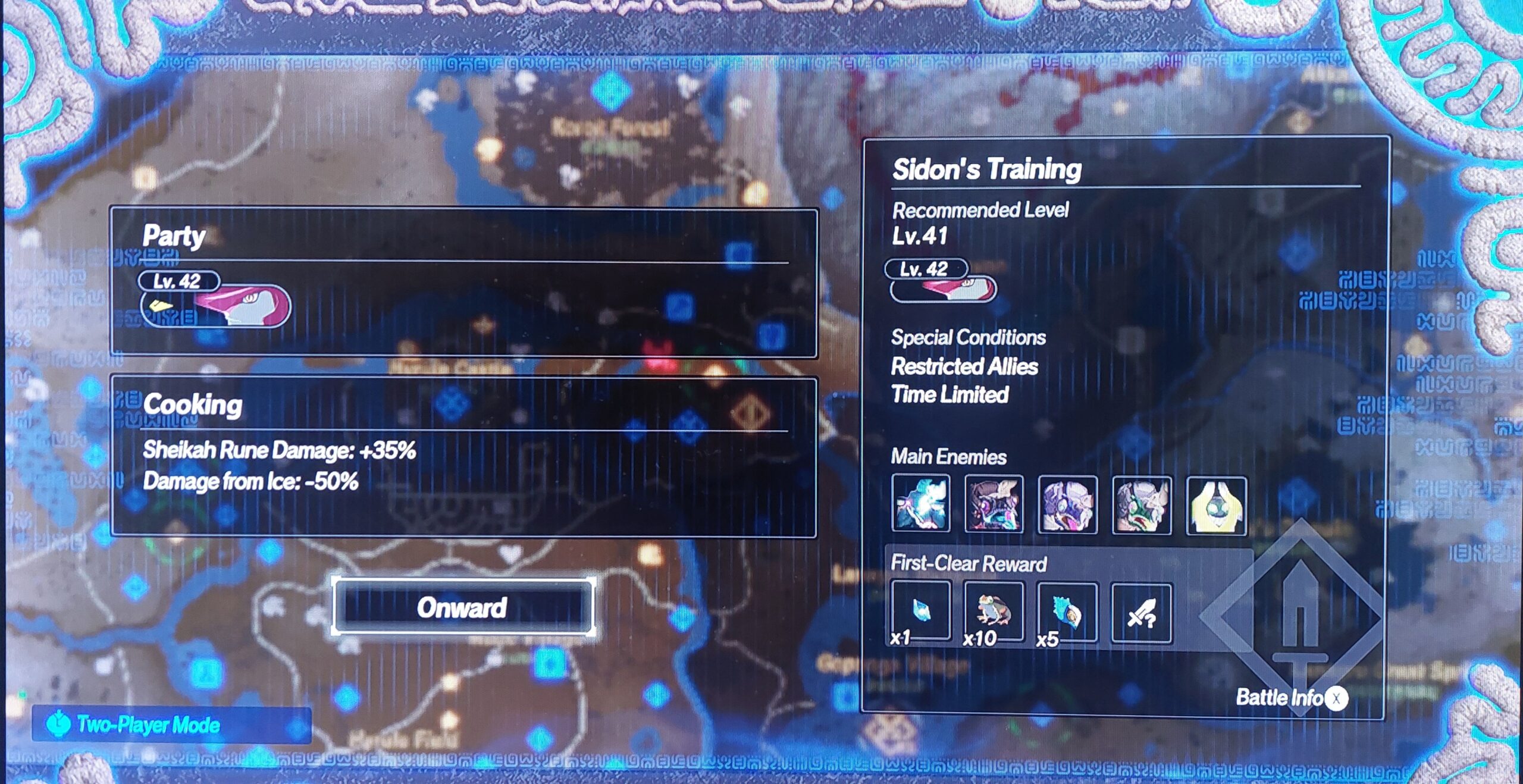
For example, in Hyrule Warriors: Age of Calamity, you’ll have unearthed dozens of side quests and EX missions by the endgame. But from my experience, those aren’t things you have to explore simply because they’re sitting there waiting for you. Their presence doesn’t create an obligation to complete them. The game is the thing, not the endless pursuit of gaming curiosity.
Bigger Doesn’t Always Mean Better –
One of the problems I faced when I played Hyrule Warriors: Age of Calamity is that I felt like because there was a big world, all of it had to have my attention—every part of it. But that’s the problem: bigger doesn’t necessarily mean a better world.
Sometimes it barely gives you a good place to start. Personally, I’m a small-world, big-planner kind of gamer. If I’m stationed in one world, I’ll work my way through that world instead of constantly being placed wherever.
Ironically, some of the best examples of having fewer meaningful places come from the Final Fantasy games I’ve played and beaten. Take Final Fantasy VI. You have dozens of different locations, some of which you’ll revisit, but those return trips can give you something meaningful to find, fight, or accomplish. That’s what makes revisiting somewhere feel worthwhile instead of making me wonder why the game sent me back there.
Black Myth: Wukong, a game I come back to often, taught me something else: exploration should reward. Whether it’s a boss battle, a hidden mini-boss, or even a boss whose transformation you can eventually use, if you walk into that forest, you’re coming out with something. I guarantee it! That’s what makes me want to explore.
You can put 300 locations in a game if you want. Just make sure exploring all 300 isn’t the thing that starts draining your player’s life force.
Conclusion –
So to wrap up, buying a game can often make us feel like we have to complete every bit of optional content possible. Trust me, I’m guilty of this myself. But that’s where the change should happen. Exploration should come first—not the need to do everything simply because it’s sitting there. You want to enjoy what you’re dividing your attention toward, not feel like it’s something you have to do.
Keep in mind, too, that there’s no love lost in walking away from a side quest if it’s taking too much of your time. If an NPC sends you on a mission to another town that’s oceans apart, leave it for now. Take the assignment, but don’t worry about completing it immediately. Know when to walk away.
Besides, there’s so much more of the game to explore and so many areas to like and love. Those side quests will still be there. Don’t lose sight of the game you actually came to play, and so what if you leave something behind? Curiosity can be its own kind of poison if you let it.
Always remember that exploration can be one of the biggest parts of having fun with a game. Explore because you want to know what’s out there—not because your curiosity demands that you uncover everything.
Continue the Adventure –
Exploration should make you wonder what’s waiting around the next corner—not make you feel like you’re clocking in for another shift. If you’re looking for games that give you worthwhile reasons to leave the main road, I’ve put together 15 Games That Make Exploration Worth Your Time on my Benable.
https://benable.com/RoddyMcG/15-games-that-make-exploration-worth-your-time
Leave a Reply