Intro –
For many years, I spent a lot of time buying games before really knowing what I was getting into. A lot of the games I’ve played were simply because I heard the name and ultimately watched a few videos on them.
That’s how I made my snap decisions back in the day. The concept of doing anything differently didn’t even cross my mind. If I heard about a Mario game, I naturally assumed that I had the game licked and that it was automatically something I wanted.
However, with the price of games going up and spending money on them becoming more and more pressing, I decided to start taking a different route. So, about three and a half weeks ago, I started investing some time in demos for certain games.
Even though I wouldn’t have done this in a million years before, I decided to try it, if for nothing else than to humor the concept. To put a fine point on this, I’ve watched videos and trailers for games and automatically gotten to the point where I bought the game based on that alone, practically making it up as I went along.
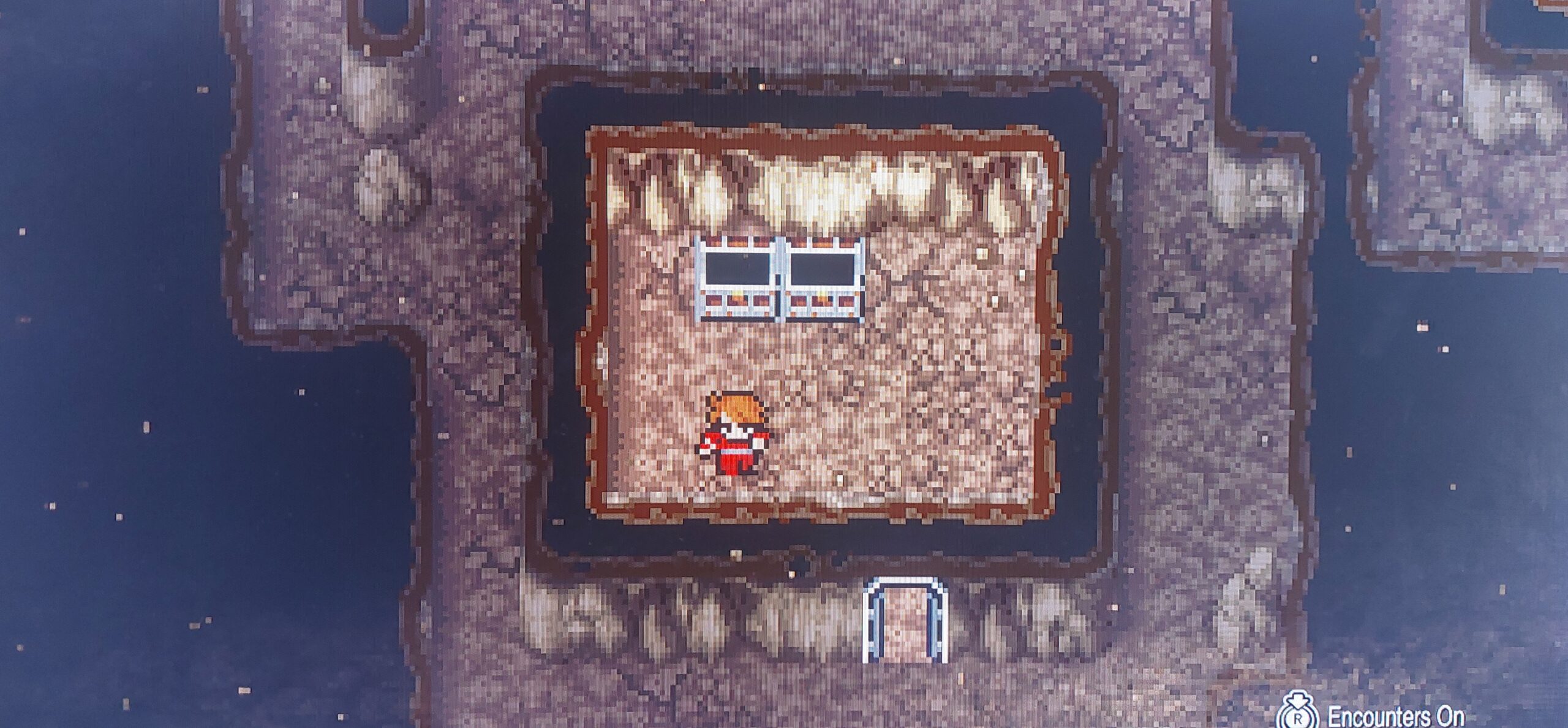
But after using demos for games like Ys X: Nordics and The Adventures of Elliot: The Millennium Tales, they’ve now become one of my research tools for new games I want. I come before you today to talk about the importance of using demos not as secondary afterthoughts, but as primary research tools for upcoming games. Because let’s face it: if you’re going to blow $70–$85 on a game, it’s worth it to do the research!
The Demo Allows You To Ask and Answer Your Own Questions –
Trying a demo gives you, as it did me, firsthand experience with the game. And let’s be real about this: watching video after video or trailer after trailer hardly does the fingerwork justice. You can’t learn the controls by watching a trailer.
That’s why a demo works. You can learn everything you can about the game without jumping the gun and buying something you might not like. More importantly, a demo allows you to ask those all-important questions yourself.
For me, if I’m testing a demo for a game, I’m testing the gameplay mechanics first. I have to be able to get a feel for the game’s flow, and I have to feel like I’m the one in control—not the other way around.
Take Ys X: Nordics. I tried the demo, and I didn’t think I’d like it because I’m a solo gamer. I don’t like co-op or even the idea of having someone constantly running behind me. But the game works in a way where I can pick and choose who I want to control while allowing the other character to do their own thing.
When I use Adol to carve up some enemies, Karja can handle herself and come back to my side in case I need the help. This isn’t necessarily a bad thing because, keep in mind, I can move between Adol and Karja. I’m not stuck controlling one or the other throughout the adventure.
Trusting my own hands-on experience is a better way to grade a game than relying entirely on someone else’s opinion because people can dislike the same game for completely different reasons.
For example, Star Wars: The Force Unleashed on PS3 received some ugly reviews, and the criticism didn’t end with its DLC either. I went ahead and bought the game because I’d done enough research to know what I wanted. Plus, getting to actually play the game made me fall in love with it. Games were never meant to be created to please everyone.
Demos Can Save Time and Money –
The demo is the deciding factor in whether a game is worth it or not. It’s not a matter of whether you’ll buy it because it looks good or because your favorite X-Man is on the cover. I’m looking at you, Wolverine! You can buy that game and it could end up sucking ass because you wasted money on something you should’ve tested first. That’s why game demos help A LOT.
You can save yourself a lot of money and time if that game doesn’t meet your standards. If I’m being honest, avoiding a bad purchase and avoiding wasted time are two sides of the same coin. Personally, if you’re on a budget and trying to cut some expenses, spending $70+ on a game that’s mediocre at best is not only crazy but financially self-destructive.
And because demos give me the choice of whether that game ever sees daylight beyond the demo, you’re getting your time’s worth either way. My thing now is that I won’t touch another game or buy it willy-nilly if there’s a demo available until I’ve tried it, played it, and made my decision.
No more sitting on my PS5 hoping that a game pans out because the main character is shooting fireballs and leaping from cottage rooftops in a single bound. Nah, I have to have my say with that demo before I sign off on the game.
Walking away isn’t exactly negative; it’s a bit of a double-edged sword. On one side, you try the demo, the game passes, and it earns its place among your gaming ranks.
On the other side, the game fails, and your time with it dies with that demo—along with whatever hope you might’ve had of buying the full game. Negative or positive, the X-factor, as it were, is you. You’re the one making that decision, and the demo is just the tool.
You’re the judge, jury, and executioner.
Why I Count on Demos –
Being an expert gamer and a financially conscious individual, I make it my business to get the demos for games I’m interested in so I can see what they’re really about. When I tried the demos for Ys IX, Ys X: Nordics, The Adventures of Elliot: The Millennium Tales, and Onimusha: Way of the Sword, they helped clear up questions I had about each game.
I was foggy on Ys IX and somewhat unsure about Ys X, but those questions were answered once I actually tried the demos. Ys X earned my interest while Ys IX ultimately didn’t. I wouldn’t have been able to make those clear-minded decisions otherwise. They could’ve both been great games, but that doesn’t necessarily mean they’re what I’m looking for.
How would I have known that if I hadn’t made it my business to try the demos? It helps. People can sample games differently, but ultimately, what matters is how the game feels when the controls and mechanics are finally in their hands.
I was worried about that when I played the demo for Onimusha: Way of the Sword. I thought it might feel too much like the first Onimusha game, but thanks to the demo, I not only liked what I played—it became an instant purchase for me. I have very high standards for my games, and if a game fails to meet those standards, I lose interest quickly.
Demos are essential in helping gamers make choices about the games they buy, and I use them for that very reason. I’ve made some foolhardy choices with games in the past. Never again, especially after experiencing times when I wasn’t doing so hot financially.
From that point forward, I swore two things. First, I’ll always run the demos for potential games I want to buy whenever they’re available. Grade hard and really make that game earn its place among my ranks.
Second, I’ll never again run solely off trailers and other people’s opinions. Both can influence how a game looks before I’ve ever touched it. Demos give me the power to make my own choice instead of running off someone else’s.
Conclusion –
Okay, to wrap up, demos have become great gaming research tools because they can help you decide whether to buy a game before you potentially waste money on something you might end up not liking.
Sure, trailers and videos can show you gameplay elements and get you hooked while you’re glued to your TV, but that doesn’t guarantee you’ll like the game once you finally get your hands on it.
This is why demos exist: to help stop you from making a mistake that could cost you countless hours of time that could’ve been spent on a game actually worth it.
I’ll tell you something right now: investing time in demos is, in itself, a must-do step for me before signing off on a game whenever one is available. Something about that game is always going to surprise you. A demo will give you a lot, but it won’t give you everything.
As I was once told, a game must justify its cost to earn a place going forward. One of the best ways to determine that is by playing the demo yourself.
So my thing is this: get the demo and use it to research the game before you buy it. Don’t just watch someone else play. Don’t let a trailer make the decision for you. Put the game in your own hands and decide whether it deserves your time and money.
A great time-saver, this one.
Continue the Adventure –
Want to make smarter decisions before adding another game to your library? Check out my Benable list for gaming essentials that help me research games, test what works for me, and get more out of my money before I commit to the next adventure.
https://benable.com/RoddyMcG/gaming-essentials-that-help-me-make-smarter-buying-decisions
Leave a Reply