Intro –
Nowadays, more than a few games come with their own DLC. As such, it can be tempting to experience everything a game has to offer. For me, DLC appeals to me when it’s more about a few meaningful extras here and there.
My thing is, if the base game was good, the right DLC can really make it pop. For example, take the Separate Ways DLC in Resident Evil 4 Remake. I got to play as Ada Wong and, more importantly, understand her part of the story.
When I started experiencing the DLC in Hyrule Warriors: Age of Calamity, I thought much of the same. But I quickly learned that no two DLC experiences are created equal.
Age of Calamity made that lesson especially clear because it didn’t feel like there were just one or two additional things waiting for me—it felt like there were two million different things, and eventually I was just ready to be done.
That feeling started after I really began diving into the DLC. At first, I would do a little of the additional content and then continue with the base game.
But as I went further, I started realizing that the DLC wasn’t necessarily providing me with a better experience. It was giving me more to do and another way to strengthen my party—but was “more” actually making the game better?
More Content Isn’t More Game –
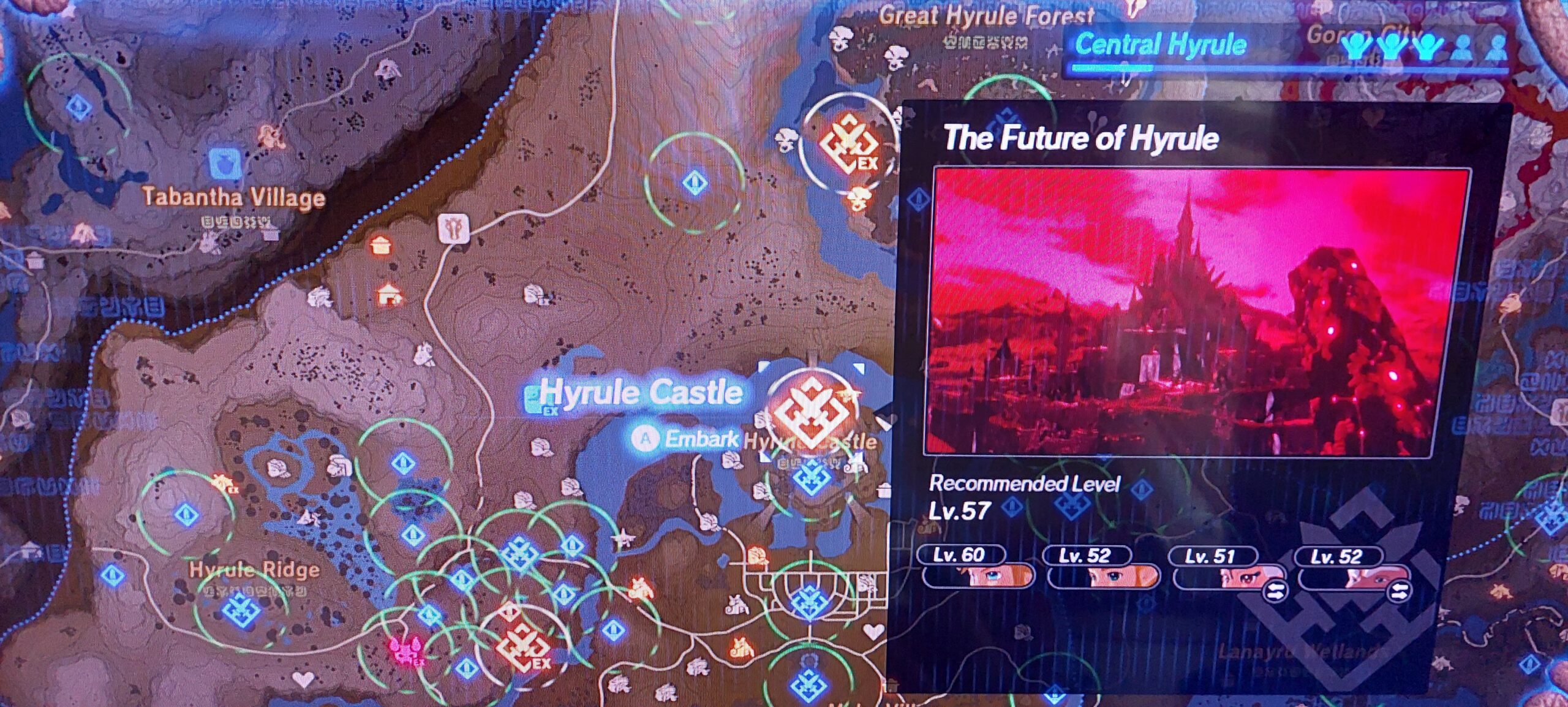
The EX missions were more like what I would call “power spots.” By power spots, I mean places where I could take different characters and begin to understand them better as I played with them. I didn’t necessarily feel like the DLC was adding to my overall experience of the game. Instead, I saw these as optional areas where I could test a character’s mettle—i.e., their combat prowess—and find out what they could really do.
I won’t say that all of the DLC wasn’t worth it. I actually found the Divine Beast missions really good because I got another opportunity to pilot the Divine Beasts. They were a nice change from controlling the regular characters and gave me something different to experience. But even after a while, those toys started losing their luster. Once the novelty began wearing off, I started wondering what else these missions were giving me beyond another opportunity to control something I’d already learned how to use.
Even with many of the normal EX missions, I wasn’t really getting much out of them after a while. There were rewards involving recipes, Heart Containers and other ways of strengthening my characters, but eventually everything started running together. That’s when “there’s more for me to do” started becoming “I should do this, but I don’t really care if I do or don’t.”
That’s where I feel DLC has to do more than simply exist. Look at Breath of the Wild’s Trial of the Sword. Sure, those three trials could be cumbersome in their own way, but I kept going back because there was always another challenge waiting for me, and completing them ultimately strengthened the Master Sword. I wasn’t returning simply because another objective was sitting there. I had a reason to want what was waiting at the end.
When Extra Stuff Starts Costing You More Than Money –
After playing through a good amount of the EX missions, I started feeling this sense of dread because I wasn’t experiencing anything particularly new. Nothing was really leaping off the screen at me anymore. If anything, the EX missions started driving me right back toward the main campaign.
After gathering materials to satisfy another requirement just to give a party member an extra Heart Container or two, it stopped feeling like some special rite of passage. Instead, it started feeling like, “If you use this character, this power-up will take you far.” Except, from my experience, it really didn’t.
In my opinion, if I’m going to spend my time doing DLC, that time needs to feel worth investing. If I stop doing it, chances are I’ve lost interest because there’s either too much content or too much of it feels like it’s trying to overcompensate as filler.
Take an EX mission that sends me back to Hyrule Castle to fight Lynel after Lynel. I’m not against a challenge, but I need a reason to care about overcoming it. Without the right reward structure—or even opportunities to recover between those fights—it can start feeling less like a meaningful challenge and more like you’re just a medium-powered lamb being led to slaughter.
And that’s where I have to ask what I’m actually getting for overcoming something like that. If there were a reward at the end that substantially changed what I could do afterward, maybe I’d look at the challenge differently.
Difficulty by itself isn’t necessarily enough to make additional content worthwhile. The challenge and the reward have to give me a reason to invest the time.
That’s the thing, though: additional content doesn’t take points away from the game itself. At least, not for me. If the DLC is a mess, that affects how I feel about the DLC—not the main game. Age of Calamity’s main campaign is always going to be its own experience in my mind.
The time I invested in the EX missions belongs to those EX missions, and none of that detracts from how much I enjoyed the journey that ultimately led me toward giving Calamity Ganon that much-deserved ass whooping.eserved ass whooping.
Sometimes Trying DLC Once Is Enough –
To wrap up, most DLC is worth trying, especially when you find one or two additions that keep giving you something worthwhile while still demanding something from you in return. But there are also DLC experiences that, once I’ve gone through them, never need to see the light of day again on my system. Hyrule Warriors: Age of Calamity falls into that category for me. I got a lot out of its DLC, but after a while, the sheer amount of additional content became repetitive. Experiencing it once was more than enough for me, and thankfully, it still left a decent taste in my mouth.
The important thing is that I don’t have to treat every piece of DLC content equally. I can choose which missions are worth my time and leave the rest alone, especially when I feel like I’ve already done variations of the same thing a thousand times. That’s probably the biggest lesson Age of Calamity’s DLC taught me: additional content being available doesn’t automatically make completing all of it necessary.
Going into future games, this experience will make me more mindful about DLC—not simply because it’s optional, but because some DLC experiences can be worthwhile as a one-time deal. I can experience something, appreciate what it gave me and still decide that I never need to experience it again.
That’s why, in my mind, DLC has to stand separately from the base game. Base game? Worth it. DLC? It has to earn and justify its mettle before I deem it worth my time.
Continue the Adventure
Good DLC shouldn’t survive on the words “additional content.”
Give me another perspective. Give me an interesting challenge. Give me a meaningful reward. Give me something that makes returning to a world I’ve already spent dozens of hours exploring feel worthwhile.
If you’re looking for additional content that gives players a genuine reason to return, check out my Benable list:
https://benable.com/RoddyMcG/15-video-game-dlcs-that-actually-give-you-a-reason-to-come-back
Leave a Reply