Intro –
For years, one of the biggest debates in gaming has centered around one simple question: Is it better to own your games physically or digitally? It’s a conversation that never seems to end.
With each passing day, the same arguments come back stronger than ever.
One side believes physical media is the only true way to own your games, while the other embraces the convenience of digital libraries. Both sides make valid points, and for a long time, I found myself thinking about those arguments too.
The more I thought about it, however, the more I realized something surprising. I wasn’t spending my time enjoying the games I already owned—I was worrying about what might happen to them years from now. Would digital storefronts disappear?
Would physical discs eventually stop working? Would future consoles still support today’s games? The more questions I asked, the more I realized there was no perfect answer.
Then it finally hit me.
Nothing lasts forever.
Not physical discs. Not cartridges. Not hard drives. Not digital storefronts. Not consoles. Even the games we love will eventually become relics of another era.
Once I accepted that reality, something changed. Instead of worrying about preserving my collection forever, I started focusing on what really mattered: enjoying the games I have today, adapting when the industry changes, and refusing to let fear of the future keep me from appreciating the present.
This isn’t an article about proving that physical gaming is better than digital, or that digital is somehow the future everyone should embrace. It’s about the mindset that helped me step away from a debate that has no permanent winner.
More importantly, it’s about why I believe our time is better spent creating memories with the games we love than worrying about whether we’ll own them forever.
Why the Physical vs. Digital Debate Never Seem to End?
People have spent a good portion of their time arguing that physical games are on their way out. Many believe it’ll mark the end of game ownership as they’ve always known it.
On the other side, many digital supporters—myself included—have argued that this change is inevitable and that fighting it is ultimately a waste of time.
While I understand why so many gamers are passionate about this issue, believing that if they spend their hard-earned money on a game, it should be theirs to keep, collect, and enjoy however they see fit, I’ve always looked at things a little differently.
Even years ago, I had a feeling that physical media would eventually begin fading into the background. Call it a collective hunch, but I always believed the industry was moving in that direction.
For many physical game collectors, it feels like Sony has betrayed them. To wake up one day and realize that one of your favorite gaming companies is moving in a direction you never wanted can be frustrating. Many feel like their voices aren’t being heard.
They worry that if Sony can make a decision like this today, what might they do tomorrow? To them, it represents a company becoming too focused on control and profit rather than the players who supported them for years.
Truth be told, though, I don’t really care about this debate anymore. I’ve been pro-digital since the PlayStation 4 era, and I made peace with that decision a long time ago. Whether Sony embraces an all-digital future today, five years from now, or even during the PlayStation 7 generation, it doesn’t really change anything for me.
The industry was always going to evolve. Fighting against that reality won’t stop it from happening. Once I accepted that, I stopped worrying about trying to preserve gaming forever and started focusing on something far more important—enjoying the games I have today.
I Made My Peace With Digital Gaming, Here’s Why –
As I mentioned earlier, I’ve been part of the digital age since late 2017 during the PlayStation 4 era. Looking back, there are a number of benefits I’ve enjoyed since making that decision.
The biggest one is convenience. My entire game library is right there whenever I turn on my console. I don’t have to get up to swap discs, worry about where I left a game, or wonder if someone borrowed it and forgot to bring it back. Everything I own is organized in one place, ready whenever I decide it’s time to play.
Going digital also meant saying goodbye to something I don’t miss at all—driving to a store, standing in line, and hoping the game I preordered actually arrived on time. More than once, people were told to come back later because the shipment hadn’t arrived yet. Those days never bothered me to leave behind.
Today, if I want a game, I can buy it directly from Sony’s website or straight from my console. Within minutes it’s downloading, and whether I play it immediately or wait until next week or next month, it’ll still be sitting in my library waiting for me.
There’s no scrambling to find a copy, no wondering if the shelves are empty because everyone else had the same idea.
That’s ultimately why I stopped worrying so much about owning games forever. The only thing that truly matters is playing them, enjoying them, and eventually beating them before moving on to the next adventure.
Nothing in life is permanent, and gaming is no exception. To me, the industry’s shift toward digital always felt inevitable. Life has a way of reminding us that change is coming whether we’re ready for it or not, and I’ve learned it’s far better to adapt than spend my time worrying about what I can’t control.
Why I Didn’t Follow The Crowd, By Choice –
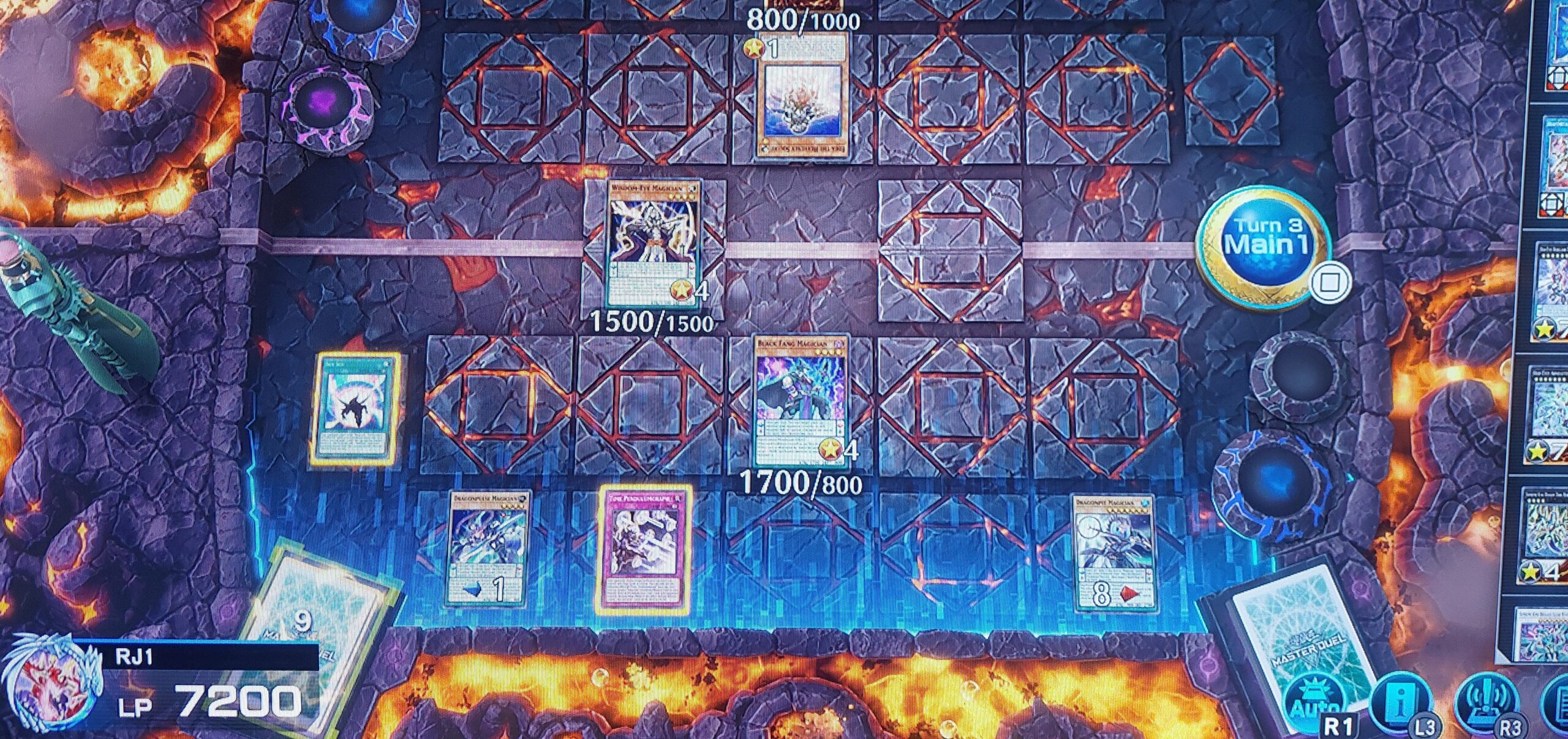
When the physical versus digital debate really started gaining traction, I was sitting on my throne enjoying a game of Yu-Gi-Oh! Master Duel, focusing on my combos and celebrating a good winning hand.
I didn’t make it my life’s mission to worry about why so many people wanted to stop Sony from moving away from physical discs. None of that held my attention because, as I’ve already mentioned, enjoying the games I was playing in that moment was all that really mattered to me.
Whether I was playing 007 First Light, Chronicles of the Wolf, or Prince of Persia: The Lost Crown, those games deserved my energy far more than worrying about what might happen years down the road. I’d rather spend my time creating new gaming memories than arguing over a future I couldn’t control.
I think that’s why I was able to “see the future” without letting it consume me. Because I had already accepted that change was coming, I wasn’t burdened by it. I was too busy enjoying the present to spend every day worrying about tomorrow.
I remember finally deciding to weigh in on what I considered a pointless debate. Someone in the group asked me, “Why are you acting like this doesn’t affect you too?”
My answer was simple.
“I made my peace with this long ago. That’s given me more than enough time to adapt instead of sitting here breathing fire like everyone else. I’d rather spend that time getting excited for games like Phantom Blade Zero and Wolverine.”
The more you fight change, the more that change begins to consume your thoughts. That’s no way to enjoy gaming, especially when your voice is only one among millions trying to overturn a decision that has already been made.
And, at the risk of playing devil’s advocate, there are genuine benefits to both physical and digital ownership. Recognizing that is exactly why I chose to wash my hands of the debate. I’d rather spend my time playing games than arguing about how everyone else should.
Physical Ownership, Forever; Ha! –
You know, all of these people arguing, fighting, signing petitions, and pouring their energy into stopping an all-digital future seem to forget one simple fact:
Nothing lasts forever.
And to put a finer point on it, the only way something you treasure lasts forever is if you’re around forever—which none of us are. Discs wear out. Cartridges eventually fail. Consoles age. Every piece of gaming hardware has an expiration date. All of it.
Think about it. Even during the PlayStation 3 era, when physical discs were still the norm, plenty of people were already choosing to buy their games digitally. Long before that, cartridges were beginning to show their age, and as hardware gets older, it becomes more difficult to keep everything running the way it once did.
Sure, you could argue that owning a PlayStation 1, PlayStation 2, or even a Sega Genesis means your collection will live on. Maybe it will. Maybe it won’t. But the older that hardware becomes, the greater the chance something eventually fails. Time has a way of catching up to everything. That’s why I’ve never believed gaming is about preserving something forever. It’s about enjoying it while you have it.
I’ve always tried to keep an open mind in an ever-changing world, so it wasn’t difficult for me to accept that gaming was gradually moving toward an all-digital future.
Looking back at my childhood, there were countless games I wanted to play but couldn’t. My copy of Ninja Gaiden II on the NES eventually stopped working, and I never wanted to wake up another day unable to play a game I was, for lack of a better word, fiending to experience.
That’s why having reliable access to my games became more important to me than debating the format they came in. Gaming has always mattered to me, and so has being able to sit down and play whenever I feel like it.
If there’s one lesson I hope other gamers take away from all of this, it’s that the future shouldn’t consume the present. Whether your games are physical or digital, if you can play them today, then today is what deserves your attention—not spending every waking hour arguing about what might happen years from now.
Hell, right now I’m working my way through New Super Mario Bros. U Deluxe on my Nintendo Switch. That’s a far better use of my time than arguing online about a decision Sony has already made. No amount of debates, petitions, or angry comment sections is going to change the direction they’ve chosen.
And, in case you hadn’t already put two and two together, yes—I’m playing that game digitally.
Sony saw a reason to move in this direction, and whether people like it or not, it’s happening. You can spend your days arguing about it if you want. Me?
I’d rather spend mine beating another game. As for the people at the top making those decisions… they’re probably sitting comfortably in their offices while the internet keeps arguing. That’s another reason I decided my time was better spent playing games than fighting a battle I was never going to win.
Why Enjoying Games Today Is Far More Important Than Worrying About Tomorrow –
Simply put, I love gaming. Over the course of my life, I’ve beaten well over 1,000 games. And you know why? Not just because I’ve become a skilled gamer, but because I learned early on how to focus on what really matters when I pick up a controller: me and the game in front of me. Period.
Sure, I could’ve died the next day, the following week, or even later that month. But even if that had happened, I would’ve left this world with one more gaming memory that no one could ever take away from me.
At one point, that memory was Castlevania III: Dracula’s Curse. Every time I played it, I chose my favorite route—Alucard’s route—through the Sunken City and beyond. Those experiences became part of my life, and nothing can erase them.
That’s the thing about gaming memories—you can’t replace them. They’re tied to the experiences you have while playing, not to whether the game sits on a shelf or in a digital library.
I understand why many people are upset with Sony’s direction and why they feel disappointed by the company’s changing strategy. But those debates don’t change the memories people are making every single day while playing the games they already own.
If someone told me they were constantly worrying about the future of gaming, my response would be simple:
“Why aren’t you playing right now? What are you waiting for?”
Every day, someone somewhere is creating the next great video game. The memories you build from the games you’ve played, the challenges you’ve overcome, and the adventures you’ve completed are the things that stay with you for the rest of your life.
That’s one of the biggest reasons I stopped worrying about owning games forever. I don’t spend my time fearing what might happen years from now.
I’d rather enjoy the moment—blasting enemies, dodging attacks, and striking down whatever stands in my way. To me, true ownership has never been about possessing a game forever. It’s about the memories that game leaves with you long after you’ve put the controller down.
Adapting Is Better Than Change –
Over the years, the gaming industry has changed tremendously. We’ve gone from simple computer screens to cartridges, from cartridges to compact discs, and now to an era where many games don’t require a disc at all.
I’ve watched every major shift the industry has made, and to me, it’s simply doing what every successful industry eventually has to do—change. That doesn’t automatically make those changes bad.
There was a time when I believed a game belonged on the console it was originally released for. If it came out on the PlayStation 2, then in my mind, that’s where it should stay. Looking back, I realize that was a purist mindset.
Over time, many of those same games found new life on the PlayStation 3, PlayStation 4, and eventually the PlayStation 5. Games from years ago continue returning for new generations of players, bringing the same experiences that made us fall in love with them in the first place.
Take Wild Arms 4, for example. It recently arrived on the PlayStation 4 and PlayStation 5, complete with additional features that make revisiting it even more enjoyable.
The game itself didn’t lose what made it special—it simply adapted to a new generation of hardware. Seeing that reminded me that I could adapt too.
I still have PlayStation 1 and PlayStation 2 memory cards tucked away somewhere. If I tried accessing some of those save files today, there’s a good chance it wouldn’t be easy.
Yet now I can revisit many older games on modern hardware, complete with built-in save features and other quality-of-life improvements. That’s why I believe the future of gaming is bright.
It doesn’t require us to fear change—it simply asks us to adapt to it. I’d rather spend my time embracing those opportunities than fighting a future that was always going to arrive.
A Back Up Plan is Necessary if You Think It Is –
In light of Sony’s push toward an increasingly digital future, some people believe that if they keep fighting long enough, the company will eventually reverse course and continue supporting physical discs.
Personally, I don’t expect that to happen. If I truly believed a company was moving in a direction I didn’t like, my energy wouldn’t be spent trying to change its mind—it would be spent preparing for what comes next. If physical games were that important to me, I’d be buying the titles I wanted now instead of hoping the company eventually changed course.
Preparing for the future has always made more sense to me than fighting against something I can’t control.
That’s one of the reasons I took the time to make sure I could play many of my digital games offline. I didn’t do it because I was afraid of the future—I did it because having a backup plan lets me stop worrying and get back to enjoying my games.
That’s the biggest difference between worrying and planning. Worrying keeps you focused on what might happen. Planning gives you something you can actually do.
Whether someone chooses physical or digital isn’t really the point. The point is having a plan that lets you keep gaming instead of spending years fighting a battle that may never be won.
There is a cost to every decision we make. Collect every physical game you can if that’s what brings you peace of mind. Go digital if that fits your lifestyle better. Neither path is free. The mistake, in my opinion, is letting fear of the future keep you from enjoying the games you have today.
Don’t Be Sheep, Think For Yourselves! –
To wrap things up, I want to make one thing clear: I don’t let anyone tell me what to think.
The internet is full of people who believe they know what’s best for complete strangers, and gaming is no exception. Some people are convinced Sony is going to take away far more than physical media, and they’re determined to convince everyone else to believe the same thing.
The problem is that outrage spreads much faster than facts. People see one headline, one rumor, or one announcement and immediately assume the worst before the full picture is even available.
That’s one of the reasons I spend far less time on social media these days. I’d rather spend my energy playing games than feeding endless arguments about what might happen years from now.
I know what I want from gaming. I want to wake up, grab one of my consoles, sit down at my game desk, and lose myself in a great game for hours.
I’m not going to let fear about the future rob me of the enjoyment I can have today. If Sony changes something tomorrow, I’ll deal with it tomorrow. Until then, I’m going to keep playing.
So my message is simple: stop worrying so much about what Sony might do and start enjoying the games you already have. January 2028 is still a long way off.
That’s plenty of time to make plans if you need to. Until then, get your priorities straight, fire up your favorite game, and make memories that will stay with you long after the debate is over.
Because tomorrow isn’t promised.
That’s why I game today instead of worrying about forever ownership.rt worrying about what Sony is doing and play your games, January 2028 is a little bit from now; you have collectively, a year and a half to worry about anything let alone what hand Sony shows.
Get your shit together and go game with the time you have with your games now because as they say, tomorrow isn’t promised. That’s why I game today and not worry about forever ownership!
Gaming is about the experiences we create, not just the games we own. If you’re looking for some of the games that have shaped my perspective over the years, check out my companion Benable list below. You might just find your next great adventure.
https://benable.com/RoddyMcG/games-that-prove-great-memories-matter-more-than-ownership