
Intro
Not every retro game survives the test of time.
Some older games still feel impossible to put down even in 2026, while others begin to show their age after only a few minutes.
Whether it’s clunky mechanics, outdated design, or hardware limitations, not every classic can keep up with modern gaming expectations.
Today’s gaming landscape is built around massive open worlds, constant updates, live-service mechanics, and endless content designed to keep players engaged for months at a time.
Because of that, many gamers — myself included — have built up enormous backlogs compared to the old days when we would simply play a game, beat it, and revisit it later.
Gaming has changed dramatically over the years, and in many ways, for the better.
But despite all the advancements in modern gaming, there are still retro games that continue to pull players back in for hours at a time.
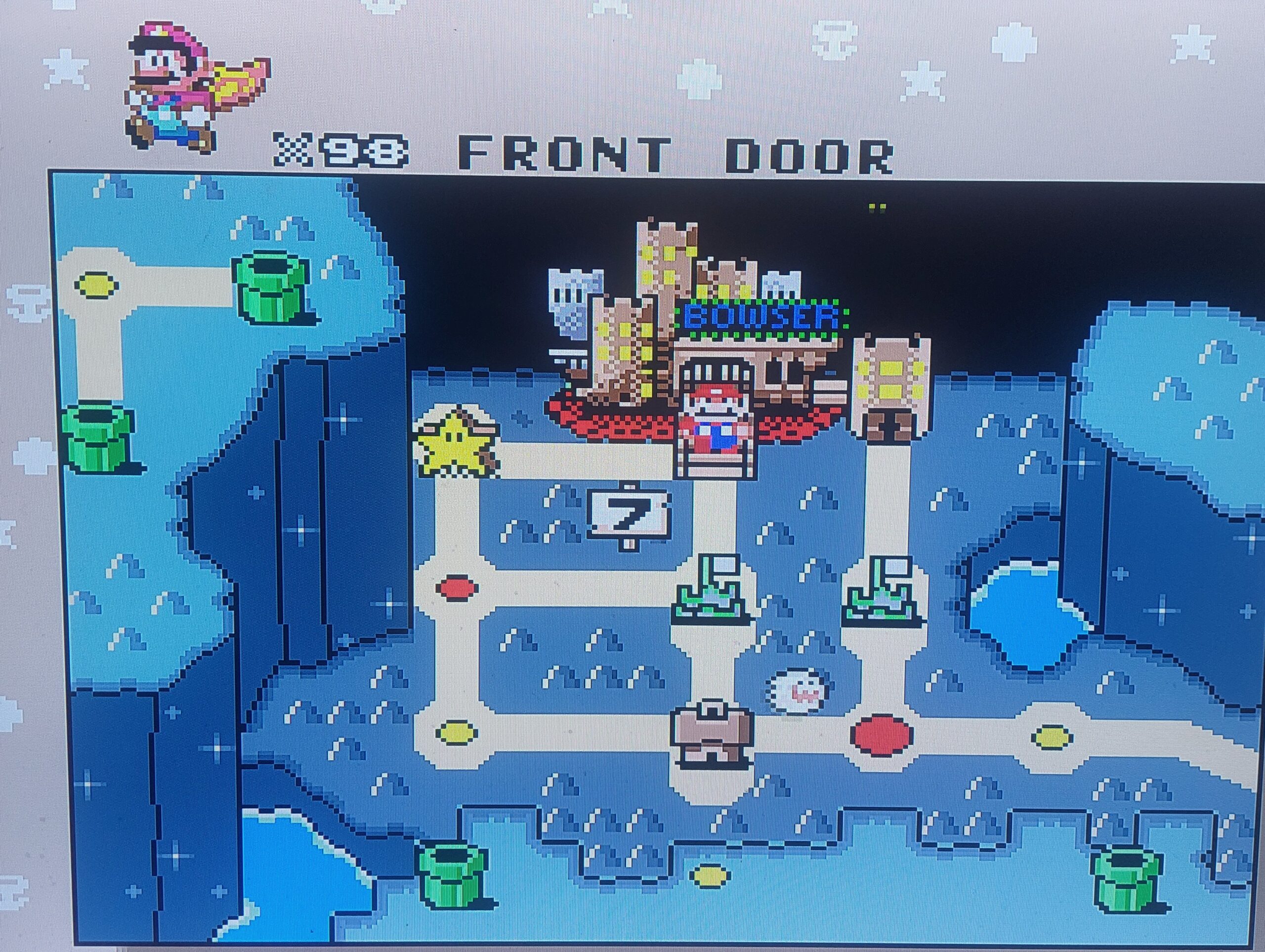
Games like Castlevania: Order of Ecclesia and Super Mario World still absorb players today because great gameplay never really goes out of style.
While many gamers chase the next big release, there are still players like me who see retro gaming as more than nostalgia — it’s a lasting part of gaming culture.
Even while waiting on newer releases for the PlayStation 5, I still find myself returning to retro games regularly.
Right now, I’m working through Shining Force CD, one of the strongest entries in the series and a game that still delivers that addictive “one more battle” feeling.
That’s the thing about truly great retro games: they still know how to keep you hooked.
And this article isn’t just about nostalgia.
It’s about replayability, timeless gameplay design, satisfying progression systems, and the retro games that still feel rewarding decades later.
Whether it’s replaying the opening stage of Mega Man X, discovering secrets in Castlevania: Symphony of the Night, or unlocking powerful equipment in Final Fantasy VI, these games continue to prove why some classics never really fade away.
In this article, I’ll be talking about:
And the timeless classics that are still easy to revisit — but incredibly hard to stop playing
Action games
RPGs
Platformers
Arcade-style experiences
Retro comfort games
What Makes a Retro Game Still Worth Playing in 2026?
So what exactly makes a retro game still worth playing in 2026?
For starters, many retro classics have gameplay that feels practically timeless. These games endure because they never disappeared from the hearts and minds of the people who still play them today.
At the end of the day, great gameplay ages far better than flashy visuals ever will.
Who cares about cutting-edge graphics when you’re running over enemies with a tank in Contra III: The Alien Wars or using the famous “Help Me” code in Castlevania III: Dracula’s Curse to survive another brutal level?
That kind of gameplay satisfaction never really goes away.
There’s still something deeply rewarding about powering up your weapon, mastering enemy patterns, and taking down a boss through skill and persistence rather than spectacle alone.
Games like Teenage Mutant Ninja Turtles: Shredder’s Revenge prove that responsive combat and tight controls still matter just as much today as they did decades ago. And strategy games like Shining Force remain engaging because of how simple yet satisfying their mechanics are.
Then you have games like Super Metroid, where progression itself becomes addictive. Finding a new ability or item that suddenly opens previously unreachable areas creates a sense of curiosity and reward that many modern games still try to replicate.
A lot of today’s games continue borrowing from the retro design philosophy because it simply works.
Retro games rewarded exploration, experimentation, and perseverance. Hidden upgrades, alternate paths, powerful weapons, and secret discoveries made players feel rewarded for paying attention.
And perhaps most importantly, retro games respected your time.
Many older games simply dropped you into the action. You pressed Start and immediately began playing. There were no endless tutorials, overly cinematic openings, or constant interruptions explaining mechanics you already understood.
Modern games sometimes struggle with this balance. Massive open worlds, oversized maps, and tutorial-heavy introductions can occasionally make players feel overwhelmed before the real gameplay even begins.
That’s part of why retro games remain so easy to revisit.
They’re built around a gameplay loop that’s incredibly hard to walk away from:
- one more level
- one more upgrade
- one more boss attempt
- one more secret
Games like Super Metroid, Castlevania: Symphony of the Night, and Super Mario World perfected that formula years ago.
Even today, retro games still create that addictive feeling where you tell yourself you’re done playing — only to immediately go back for another run.
And honestly, that’s part of what makes the best retro games timeless.
Part 2 –
Action Games You Can Still Lose Hours To
There are certain retro action games that can still lock players into their worlds for hours at a time without losing their appeal.
And one of the best examples is Contra.
What makes Contra so addictive even today is its immediate action. From the moment the game starts, you’re ducking, dodging, firing in every direction, and trying to survive whatever chaos the game throws at you next.
There’s no wasted time wandering through empty spaces or waiting for the action to begin. Contra throws you directly into the fight, and from there it becomes pure arcade survival.
That fast-paced gameplay loop is exactly why the series still works decades later.
The cooperative gameplay also adds to the replayability. Memorizing enemy patterns, mastering difficult stages, and trying to keep your powerful weapons alive creates a challenge that still feels rewarding today.
And let’s be honest: if you can make it through several stages of Contra while holding onto the legendary Spread Gun, you’ve earned that victory.
Modern collections have also made older games like Contra far more approachable for newer players.
Playing through the Contra Anniversary Collection with features like save states and rewind mechanics allows players to learn difficult sections without losing all their progress.
Lose your best weapon? Reload the save state and try again.
That balance between classic difficulty and modern convenience helps keep retro games alive for newer generations without removing what made them special in the first place.
Then there’s Ninja Gaiden III: The Ancient Ship of Doom, one of the best examples of challenge-driven gameplay done right.
The enemies are relentless, the action is fast, and the game constantly pressures players to react quickly. But alongside that difficulty comes incredible music, strong momentum, and gameplay that keeps you fully engaged from beginning to end.
Retro games like Ninja Gaiden mastered the “one more try” feeling.
You tell yourself you’re done for the night, but after getting close to beating a difficult boss, you immediately want another attempt because you’ve started learning the patterns and understanding where you went wrong.
That sense of improvement through repetition is part of what makes older action games so satisfying.
And honestly, challenge-focused gameplay can feel refreshing compared to modern games that sometimes over-explain mechanics or hold players back with constant tutorials.
Then you have Streets of Rage 2, a game that still delivers endless replay value decades later.
Whether you’re playing solo or with a friend, the game’s combat, pacing, and soundtrack still make it one of the greatest beat ’em ups ever made.
It’s also one of those games that works perfectly in short sessions. You can jump in for a quick run, enjoy the action, then come back later without losing momentum.
And after a long or stressful day, games like Streets of Rage 2 become comfort games in the best possible way.
There’s something satisfying about unloading stress through straightforward arcade action, great music, and gameplay that never stops moving forward.
That simplicity is part of why these retro action games still hold up so well today.
RPGs That Still Completely Consume Your Time
When people think about legendary retro RPGs, Chrono Trigger is almost always part of the conversation.
And for me, the first thing that comes to mind is the gameplay.
From landing critical hits to unlocking powerful magic spells later in the adventure, Chrono Trigger constantly keeps combat engaging. Even decades later, the game still feels remarkably modern because of how fast and fluid everything is.
Battles move quickly, enemies pressure you constantly, and the game rarely gives you time to sit back and overthink your next move. You have to react in the moment, and that pacing helps keep the experience exciting from beginning to end.
What also makes Chrono Trigger special is how little grinding it actually requires compared to many older RPGs. Progression feels natural, and the game does an excellent job balancing challenge without forcing players to spend endless hours leveling up.
Even areas like the Ocean Palace can be conquered comfortably through smart use of magic and strategy rather than excessive grinding.
Then there’s the unforgettable cast.
Whether it’s Marle’s Ice 2, Lucca’s Flare, or Crono’s iconic Luminaire attack, every party member feels memorable and useful in combat. Those abilities become part of the experience players remember years after finishing the game.
Chrono Trigger also helped popularize multiple endings, adding another layer of replayability that still holds up today. And that replayability is a huge reason why players continue returning to it even now.
You sit down intending to play for an hour, then suddenly realize several hours have passed without noticing.
That’s the hallmark of a timeless RPG.
Another retro RPG that still feels massive today is Final Fantasy VI.
What makes Final Fantasy VI unforgettable is its enormous cast of characters and how unique each party member feels. Edgar’s tools, Terra’s Esper abilities, and Sabin’s martial arts techniques all give players different ways to approach battles and customization.
The game also tells an emotional story that still resonates decades later, particularly through the tragedy surrounding the Espers and the world itself.
And despite its age, the exploration still feels rewarding. Traveling through towns, dungeons, and the World of Ruin creates a sense of adventure that many RPGs still try to capture today.
One of the things I always appreciated about Final Fantasy VI was the freedom it gave players when building their party.
If I wanted characters without healing magic to learn Cure through Espers, I could do that. If I wanted Sabin to use elemental spells while exploring difficult late-game areas, the game allowed that too.
Older RPGs often encouraged experimentation instead of forcing players into one “correct” build.
That freedom made the experience feel personal.
Then there’s Phantasy Star IV, a game that still deserves far more attention than it receives.
Replaying it recently reminded me just how focused and well-paced the game really is.
The sci-fi setting still feels unique today, and the manga-inspired storytelling presentation gives the game a style that separates it from many other RPGs of its era.
More importantly, the pacing rarely slows down.
Even difficult sections — like navigating the Plate System without relying heavily on Rika’s Deban technique — feel challenging without becoming exhausting.
And emotionally, the story continues to hit hard years later. Moments like Alys’ death still carry real weight because the game never wastes time building emotional investment in its characters.
What stands out most about older RPGs like Phantasy Star IV is how much they respected the player’s time.
The game delivers a complete, satisfying RPG experience in roughly 40 to 50 hours without feeling bloated or overloaded with unnecessary content.
That tighter focus is part of why so many retro RPGs remain easy to revisit even today.
Platformers That Never Stop Being Fun
When people think about timeless platformers, games like Super Mario World and Sonic 3 & Knuckles are usually near the top of the list.
Part of what makes these games so memorable is the sense of discovery they create.
You remember the hidden exits, the secret routes, and the moments where curiosity rewarded you with something meaningful.
In Super Mario World, simply spotting a key near a locked keyhole immediately told players there was more to discover.
That level design still feels brilliant today.
Whether it’s uncovering hidden paths in Vanilla Dome, discovering alternate exits in Ghost Houses, or unlocking secret worlds through exploration, the game constantly rewards players for paying attention.
And that’s why replaying Super Mario World still feels satisfying decades later. Finishing the game is only part of the experience — discovering everything hidden inside it is the real reward.
Then there’s Sonic 3 & Knuckles, a game built entirely around momentum and replayability.
Collecting the Chaos Emeralds and Super Emeralds completely changes how the game feels, and alternate routes throughout the stages encourage players to keep experimenting and exploring.
That replay value is a huge reason why the game still holds up so well.
And honestly, the soundtrack plays a massive role too. Tracks like the Hidden Palace Zone theme are unforgettable and instantly transport players back into the experience the moment they hear them.
But beyond the music and speed, Sonic 3 & Knuckles succeeds because mastering the levels becomes addictive.
You stop simply trying to survive the stage and begin learning where every hidden ring, shortcut, and power-up is located. The better you become, the more rewarding the gameplay feels.
That same sense of progression is a huge part of what makes Mega Man X so difficult to put down.
The moment you unlock the X-Buster upgrade or begin collecting armor parts, the game transforms into a constant cycle of experimentation and improvement.
Special weapons aren’t just boss weaknesses — they become tools that completely change how you approach difficult sections.
Using the Rolling Shield in Sigma’s Fortress or experimenting with charged weapons gives players multiple ways to overcome obstacles.
And one of the smartest things Mega Man X does is allow players freedom in how they progress.
There’s no single “correct” order for tackling the Maverick bosses. Every player develops their own route, strategies, and preferred upgrades over time.
That freedom, combined with fast pacing and almost no interruptions, is exactly why the series still feels so modern today.
Games like Mega Man X rewarded players constantly:
- finding armor upgrades
- discovering hidden items
- mastering boss fights
- experimenting with special weapons
Every achievement immediately made the player feel stronger.
And that sense of reward is timeless.
Retro Games That Become Comfort Games
Some retro games become more than just games.
They become comfort games — experiences you can revisit almost effortlessly because they feel familiar, rewarding, and relaxing in a way modern games sometimes struggle to replicate.
Games like Streets of Rage 2, Contra, and Chrono Trigger all share something important in common:
familiarity.
You return to them because the gameplay loops are satisfying, the mechanics are memorable, and the experience feels comfortable without becoming boring.
Part of that comfort comes from mastery.
For example, longtime players of Castlevania: Symphony of the Night know how powerful certain strategies become once you fully understand the game’s mechanics.
The same applies to games like The Legend of Zelda: A Link to the Past, where knowledge of dungeons, hidden items, and puzzle solutions turns exploration into something deeply satisfying on repeat playthroughs.
That’s part of the magic of retro games.
Replaying them isn’t just about nostalgia — it’s about reconnecting with gameplay systems you understand deeply and still genuinely enjoy interacting with years later.
Why Modern Retro Collections Matter More Than Ever
Modern retro collections have become one of the biggest reasons classic games remain accessible today.
Features like save states, rewind mechanics, portable play, and online accessibility have made older games easier to revisit without completely removing the challenge that made them memorable in the first place.
Save states, in particular, can completely change the experience for newer players.
Losing a powerful weapon in Contra used to mean starting over or struggling through the rest of the game at a disadvantage. Modern collections now allow players to reload difficult moments and continue learning instead of losing all momentum.
Rewind features work similarly.
In strategy games like Shining Force II, rewind systems allow players to recover from missed attacks or mistakes without forcing them to replay massive portions of the game.
And while some players choose not to use these features heavily, having the option available helps make retro gaming more approachable for modern audiences.
More importantly, retro gaming itself has never been easier to access.
Between digital storefronts, modern collections, subscription services, and handheld systems like the Nintendo Switch, classic games are now available in ways that would have seemed impossible decades ago.
Collections like the Mega Man Legacy Collection and the Contra Anniversary Collection also preserve gaming history itself by including artwork, release information, and historical details surrounding the games.
These collections preserve more than nostalgia.
They preserve design philosophy, challenge, creativity, and a style of gameplay that still resonates with players today.
Conclusion
Retro games don’t survive simply because of nostalgia.
They survive because great gameplay never truly ages.
Games like Contra, Castlevania: Symphony of the Night, Final Fantasy VI, and Phantasy Star IV continue to attract players because their pacing, mechanics, and progression systems still feel rewarding decades later.
That’s something many modern games still strive to achieve.
Older games also continue teaching newer players an important lesson:
simple gameplay design can still be incredibly powerful when executed well.
Whether it’s mastering a difficult boss fight in Mega Man X, discovering hidden paths in Super Mario World, or replaying Phantasy Star IV with new self-imposed challenges, retro games still know how to create memorable experiences without relying on excessive scale or endless content.
And maybe that’s why the best retro games never truly disappear.
They remind us that gaming was never just about graphics or size — it was about gameplay that could completely pull us into another world and make us lose track of time.
Next up: Why replaying older RPGs hits differently as an adult.
If you’re interested in experiencing some of these retro classics on modern hardware, I put together a list of the retro games and collections I personally think are still worth playing in 2026.
https://benable.com/RoddyMcG/retro-games-you-can-still-lose-yourself-in