Category: Gaming

  • The Games Didn’t Get Easier, You Got Better!

    The Games Didn’t Get Easier, You Got Better!

    Intro –

    Over the many years that we’ve spent playing video games, a lot of us have noticed—whether we realize it or not—that some games never stop being difficult. Take games like Ghosts ‘n Goblins Resurrection, for example. Getting punished for even the smallest mistake is part of the experience, and the game shows very little mercy.

    Even years ago, when I was playing games like Todd McFarlane’s Spawn: The Video Game and Crash Bandicoot 4: It’s About Time, those games always felt like they were doing everything they could to keep me from ever reaching the ending. Their difficulty was relentless, and every victory felt earned.

    However, after replaying many of those games over the years, I came to an interesting realization. It wasn’t that the games had become easier—I had changed.

    Years of playing platformers, action games, and RPGs had quietly built my instincts, patience, and confidence. What once felt impossible now felt manageable, not because the games were different, but because I had become a better gamer.

    That realization didn’t happen overnight. It came from refusing to give up, embracing a never-say-die attitude, and having the patience to learn from every defeat.

    Since I’ve never believed in rage quitting, every failure became another lesson instead of a reason to stop playing. Over time, those lessons built confidence that allowed me to push back against challenges that once seemed overwhelming.

    Looking back, I realized the games never got easier. I simply became better at rising to the challenge, making their difficulty feel far less intimidating than it once did.

    Lords of Exile Didn’t Feel Impossible –

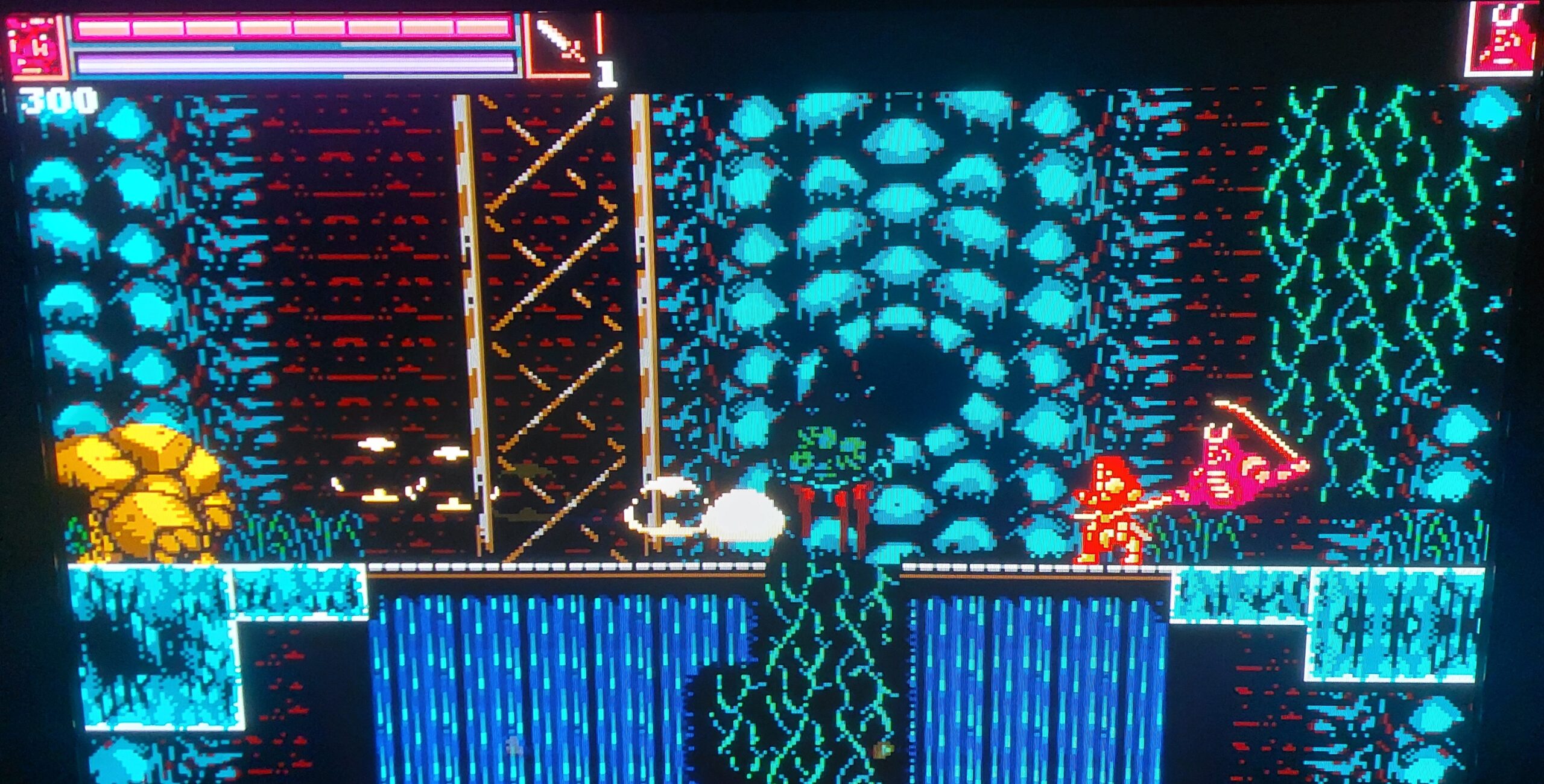
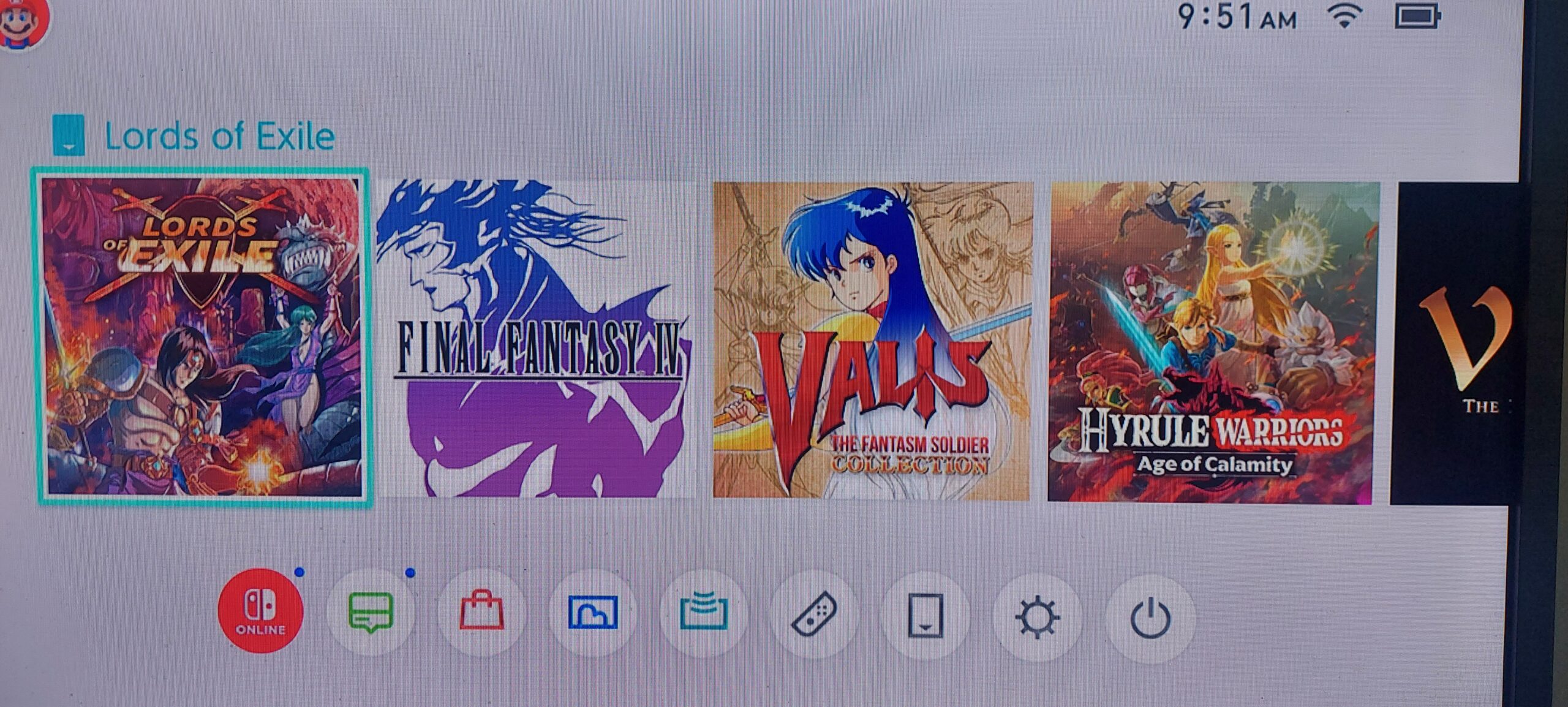
    Lately, I’ve been playing Lords of Exile, and I have to admit, I’m hooked. One thing I immediately noticed is that the game only offers one difficulty setting: Normal.

    Despite that, the platforming, enemy placement, and constant need to recognize attack patterns never felt impossible or confidence-breaking. Instead, the game challenged me to rely on the experience I’ve built over years of playing action platformers.

    As someone who believes in finishing every game I start, I reached Stage 5 in less than 18 hours. The funny thing is, I could have finished the game nights ago, but I chose not to.

    Sometimes it isn’t about proving what you can do in the moment—it’s about knowing you can finish and deciding to enjoy the journey instead of rushing to the ending.

    The game’s difficulty never felt overwhelming, even on my first playthrough. I certainly died, but nowhere near as often as I would have years ago. The difference wasn’t that Lords of Exile was an easy game—it was that years of experience had already taught me how to approach games like it.

    The enemies and bosses all have telegraphed attack patterns. Once you recognize them and learn when to move, every successful dodge and counterattack builds your confidence. That confidence reminded me of another experience I had while playing Cyber Shadow against Dr. Progen.

    When I first reached the final battle, I struggled with his first form. It wasn’t until I slowed down, stayed patient, and paid close attention to his attacks that everything began to click.

    Once I understood his patterns, I was able to conserve my health for the second and final phase of the fight.

    That battle taught me something I’ll never forget. The boss didn’t become weaker with each attempt—I became stronger through every attempt.

    Every retry gave me more knowledge, more confidence, and eventually took away the advantage the boss had over me. That realization is what helped me understand that difficult games don’t necessarily become easier. We become better at meeting the challenge.

    Mastery Carries Over –

    When I was growing up, a lot of people in the ’90s believed that video games were a waste of time and that you learned nothing from them. However, after gaming for 36 years, I can confidently say they were wrong. One of the greatest lessons gaming has ever taught me is mastery.

    Every game I’ve played and beaten has contributed to the skills I rely on today. One of the most valuable is timing.

    Referring back to my earlier Cyber Shadow example, I had to force myself to let things happen instead of trying to force the action. Timing became everything.

    During my battle with Dr. Progen, I intentionally struck his orange barrier, causing my character to bounce backward just enough to avoid his pillar of flames. That moment taught me that sometimes the right move isn’t attacking more—it’s knowing when to attack.

    Another lesson gaming taught me is patience.

    I’ve always been willing to learn a game’s mechanics rather than rush through them. One of the best examples came from Black Myth: Wukong while fighting Yin Tiger.

    He defeated me more than once, but every attempt taught me something new. Little by little, I began taking away his advantages until I finally defeated him. That battle showed me he wasn’t unbeatable—I simply needed to stay persistent.

    Pattern recognition has become just as important.

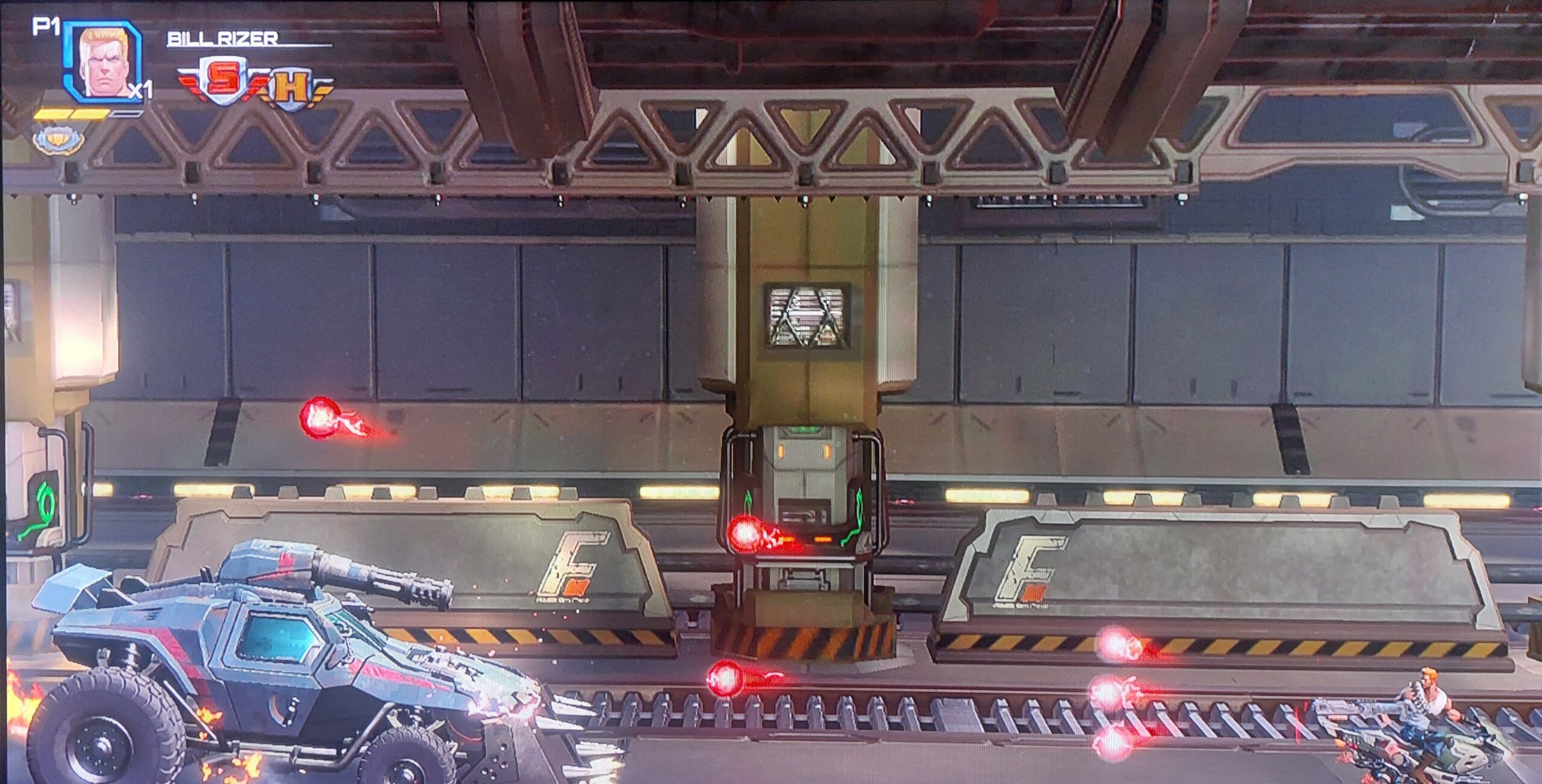
    Contra: Operation Galuga reinforced that lesson. Recognizing enemy and boss patterns often meant the difference between surviving and losing a life.

    I learned to slow down, observe, and understand every attack instead of reacting blindly. Before long, those same patterns became familiar, and stages that once felt intimidating no longer seemed nearly as difficult.

    One of the hardest lessons to learn was resource management.

    Just because a boss or enemy deals heavy damage doesn’t mean defeat is inevitable. Sometimes it’s simply the game’s way of teaching you to value your resources. Shadow of the Ninja Reborn demonstrated this perfectly.

    Even with a healthy life bar, powerful attacks could erase it in seconds. That forced me to think differently about every encounter. Instead of wasting healing opportunities or playing recklessly, I learned to conserve what I had for the moments that truly mattered.

    Finally, there’s positioning, a skill many players overlook until they realize how important it really is.

    For me, Ghosts ‘n Goblins Resurrection taught that lesson better than any other game. During my battle with Satan, standing directly beneath him created the best opportunity to deal damage, but I constantly had to reposition to avoid his attacks and prepare for the next opening.

    Especially during the second half of the fight, understanding where to stand often mattered just as much as knowing when to attack.

    Looking back, every one of these lessons carried over into the games that followed. Timing, patience, pattern recognition, resource management, and positioning all became part of how I approach difficult games today.

    That’s probably why Lords of Exile feels much more manageable than it otherwise would. The game didn’t become easier—I simply brought decades of experience with me.

    Difficulty is Relative

    Why New Players See Something Different –

    When it comes to video games, it can be argued that a new player and a veteran are playing two completely different games. They’ll encounter the same enemies, obstacles, and bosses, but their experiences couldn’t be more different.

    The biggest difference is experience. A new player sees everything happening at once, while a veteran sees opportunities hidden within the chaos.

    Take a game like Lords of Exile, for example. A new player may encounter enemies scattered across the screen and feel overwhelmed, wondering how they’re supposed to survive.

    Every attack, jump, and obstacle seems to demand their attention all at once, creating that first chaotic challenge every player experiences.

    Now compare that to a veteran. They’ll likely look at the same situation and think, “I’ve seen something like this before.”

    Instead of panicking, they’re already positioning themselves, recognizing enemy patterns, and waiting for the right moment to attack. What looks overwhelming to one player becomes familiar territory to another.

    Last night, I fought Galagar in Lords of Exile. He defeated me more than a few times, but I never found myself getting frustrated because challenges like that weren’t anything new to me.

    I simply slowed down, watched his attack patterns, learned when to strike, and knew when it was time to back away. The same approach carried me through his second form.

    By the time I reached the final boss, I realized something. The game hadn’t suddenly become less challenging—I had simply become more comfortable with everything it was asking of me.

    Even on my very first playthrough, there was a lot to learn, but years of gaming experience allowed me to adapt much faster. That’s what made the experience so rewarding.

    Difficulty Isn’t Always About Setting –

    Most of us gamers are familiar with the difficulty settings found in many games—Easy, Normal, and Hard. We’re also familiar with games that don’t offer a choice at all, challenging every player on the same difficulty.

    Along the way, we level up, get defeated, become stronger, survive longer, and unlock new abilities. Each of those moments has meaning on its own.

    Together, they tell the story of how we overcome a game’s challenges. Looking back, getting defeated by that Ochu in Kilika Forest wasn’t simply because the battle was difficult.

    It happened because I hadn’t yet gained the experience needed to overcome it. Once I learned its attacks and adjusted my strategy, the fight transformed from an impossible obstacle into another challenge I knew I could conquer.

    That’s what I’ve come to realize about difficulty in games. The challenge isn’t always defined by the enemy standing in front of you—it’s often defined by how you approach that enemy.

    Your experience, patience, and willingness to adapt shape the battle just as much as the game’s mechanics do. That’s why games that demand genuine improvement continue to teach valuable skills long after you’ve beaten them.

    The Game Didn’t Get Easier, You Grew Into It –

    To wrap things up, playing video games can be viewed from two very different perspectives. A new player sees every challenge as something unfamiliar, while a veteran often approaches the same situation as just another day at the office.

    Experience changes everything. From the spells you cast and the shields you break to the special attacks you unleash, experience sits at the heart of every decision you make.

    When I first started Lords of Exile, I never felt intimidated by what the game threw at me. Even while learning its mechanics, it reminded me of games like Castlevania III and the original Ninja Gaiden.

    That’s also why I didn’t rush to the ending. I already knew what kind of journey I was on, and as I always say, sometimes it’s better to enjoy the ride than race to the finish.

    The skills we develop in games like Contra: Operation Galuga, Shadow of the Ninja Reborn, and Ghosts ‘n Goblins Resurrection don’t disappear when the credits roll. Pattern recognition, positioning, timing, patience, and resource management all carry over into the next challenge. Every difficult game leaves behind something that prepares you for the next one.

    Years pass, new games release, and before long you discover something interesting. Difficulty was never just about selecting Easy, Normal, or Hard. Those settings simply establish the challenge. What truly changes is the player. Every victory, every defeat, and every lesson quietly builds experience that you carry into future games.

    I’ve played games for more than three decades, and I still make mistakes. I still get defeated. That doesn’t make me unstoppable. What it does mean is that every difficult game I’ve conquered has left me with something valuable.

    Crash Bandicoot 4: It’s About Time taught me timing and precision. Ninja Gaiden 3: Razor’s Edge reinforced the importance of adapting to every situation. Elden Ring reminded me that the greatest reward isn’t simply defeating a boss—it’s becoming a better player because of the challenge.

    Those lessons are worth more than any single victory because they’ll stay with me for the rest of my gaming life.

    That’s why I can pick up a game like Valis I and immediately feel comfortable. The challenge may be new, but the skills I’ve spent years building are not. In the end, the game didn’t get easier. I simply became a better gamer.

    If you’re looking for games that reward patience, observation, and real improvement, I’ve put together a collection of some of my favorite challenging games that helped shape me into the gamer I am today. Check out my Benable list below and see which one will test your skills next.
    https://benable.com/RoddyMcG
  • The Digital Future of Gaming Has Been Here—What Are You Guys Doing?

    The Digital Future of Gaming Has Been Here—What Are You Guys Doing?

    You know, there has been a lot of buzz in the gaming world lately, and much of it has to do with a decision Sony is making. If I’m being honest, I think this is something people should have made peace with a long time ago—especially those who have spent years buying digital games.

    Now, I’ll be honest: it’s not often that something makes me get off my throne and weigh in because, most of the time, I just don’t care.

    And I’m not saying that because gaming and everything associated with it doesn’t matter to me. It does. I’m simply not in the habit of treating every snippet of gaming news like it deserves my time and energy.

    But every now and then, something gets loud enough to make me look over and ask, “What the hell are you guys doing?”

    This is one of those times.

    What surprises me most is how many people seem caught off guard by something that, from where I’m standing, has been coming for a long time.

    I’ve watched the conversation grow louder, seen the complaints pile up, and wondered how we got to a point where so many gamers are still fighting a direction that has been right in front of us for years.

    After listening to the constant whining, griping, and bitching, I’ve finally decided to weigh in and make my thoughts known.

    Because whether people like it or not, this conversation isn’t going away.

    That said, let’s go.

    Part 1 – Why I Never Fought The Digital Future.

    Most Gaming Controversies Don’t Get My Attention!

    Based on the gaming outrage of late regarding Sony’s decision involving digital games, I’ve sat back and watched people blow fire because they believe Sony is being unfair.

    Incidentally, I just don’t care. I don’t.

    The reason is simple: I don’t make it my life’s work to hang around on Facebook, keeping up with every bit of gaming controversy. That’s energy I don’t care to give away.

    Besides, whatever happens in the gaming world, I form my own opinion. I’m not looking for someone else to tell me what I should think because they believe it’s for the betterment of gaming.

    Free will and gaming have one thing in common: the motivation should come from the person, not the crowd fighting for what they believe is the greater good.

    To me, it’s just noise.

    Ten times out of ten, I’m sitting on my throne, ignoring everything around me. The world could be burning. Gamers could be justifiably or unjustifiably irate about Sony’s decision involving digital games.

    I don’t care about any of it.

    I wasn’t even going to weigh in on this. But because the noise finally got louder than I could ignore, I decided:

    “What the hell? I’ve got a few minutes.”

    I Saw This Coming, Why Didn’t You?

    The funny thing is that despite all the ugliness people have shown and expressed about Sony’s decision and digital gaming becoming a global thing, this has already been happening right under people’s noses.

    I saw this coming as far back as the late PS3 generation. Sony has been heading in this direction ever since, yet people want to act like this decision somehow caught them off guard.

    Personally, since people were already buying digital games, I don’t think they can pretend this wasn’t eventually going to become a much bigger thing. I mean, think about it. Physical gaming versus digital gaming—if one is outselling the other, it makes sense to go where the money is.

    And that happens to be digital gaming.

    So, for all the yelling and tantrums surrounding the policy changes, the rumors—both new and old—and even the idea of a complete switch to digital itself, I don’t think people should treat this like some doomsday warning no one saw coming.

    Sony has been moving in this direction for years.

    The difference is that they’ve finally started closing the gap, and that’s no crime.

    I mean, seriously, what is everyone so surprised about?

    I Went Digital and Still Got to Keep My Soul –

    For me, I wasn’t coaxed into going digital. No one makes me do anything.

    I went willingly because I saw the ease and convenience of what going fully digital could offer.

    As someone who’s busy with life, kids, parenthood, and just living overall, I can appreciate the convenience of digital gaming—especially when it comes to buying games.

    For me, it has been one of the greatest conveniences in gaming.

    All of my digital games are in one place. All I have to do is pick one, press a button, and play. That’s it. Wishlisting makes things even easier because when I want a game or something goes on sale, I’m informed.

    I don’t understand why people can’t see the benefits of digital gaming. Even with the direction Sony is heading, many of those same benefits aren’t suddenly going to disappear.

    Most gamers will look at what Sony is doing and think the company is robbing them of their right to gaming, when in actuality, Sony is expanding in the direction it believes is right.

    To many people, no physical games means they’re no longer in control of their gaming. They see it as a handicap.

    I don’t see a handicap.

    I see the same great time-saver I always have, and just because Sony is making changes doesn’t change that.

    The one thing I value more than almost anything besides gaming is time. And to put a finer point on this, digital gaming has done wonders for mine.

    What has it done for yours? for yours?

    The Store Lines, I Don’t Miss Them!

    Digital gaming has solved more problems than most gamers want to admit.

    Remember those days when we wanted a new game and had to put a little money down to reserve our copy, only to go back to the store later to pick it up?

    I remember doing exactly that with God of War II on the PS2 when it first came out.

    I distinctly remember the GameStop clerk asking me, “What are you going to do if the copies don’t get here before the store closes?”

    My response?

    “Then I don’t leave! I’ll camp outside this store if I have to.”

    I was willing to do it too, even though the clerk was only kidding.

    But my point remains valid.

    Digital gaming cut all of that shit out.

    What’s so bad about buying a game, downloading it, and eventually playing it on your own terms? What sounds so terrible about that?

    To me, it seems like people are more obsessed with trying to have it all instead of making peace with what they have access to.

    I prefer digital gaming because, as someone who lives by the philosophy, “You want my time, pay my price,” digital gaming does exactly that. I don’t lose time in any regard.

    The convenience is what matters to me. I get to keep my time and do what I want with it—even if I don’t immediately start the game I just downloaded and spent $64 to $77 on.

    That still beats running around trying to pinpoint which store is going to get which game.

    Those days are long gone, and they shall remain so.

    Count your blessings, people!

    Part 2 — Think for Yourself and Let the Future Come.

    Facebook Doesn’t Get to Tell Me Shit!

    At different points in time whenever I’ve gotten on Facebook—even recently—there has been a LOT of buzz surrounding Sony’s so-called “designs,” as it were. One of the latest involved account inactivity.

    Naturally, people started acting up. But here’s the thing: the inactivity scare people were spreading around wasn’t even about us North Americans.

    One person started making noise about it. Then two people. Before long, there was an entire network of Facebookers spreading the story like wildfire and making it sound like everybody was going to be affected.

    This is exactly why I don’t get my information from Facebook. No one tells me what to think, and I’m certainly not going to let a crowd of people panicking over half-read information do it for me.

    At that point, people are just turning noise into unnecessary panic. If I’m being honest, they’re creating the very stress they’re putting other people under by making something seem far more urgent and widespread than it actually is.

    Before long, people aren’t even reacting to the actual information anymore. They’re reacting to someone else’s reaction to someone else’s reaction—and by then, the truth is buried under a mountain of outrage.

    Check your facts, people.

    Sony has a massive worldwide fan base. Stop acting like everybody’s account is suddenly standing in front of a firing squad because somebody on Facebook hit the panic button.

    You Guys Zig, I Zag. That Simple.

    In light of this whole ownership debacle surrounding physical and digital gaming, it’s been said that people who buy digital content, like me, are traitors and that Sony is eventually going to flip the script on us—meaning we’ll be the ones who get the worst of it.

    Now, I’ve been pro-digital since the PS4 era, and I still am today.

    I want it to go on record that I plan to stay digital.

    Direct your attention to the screen above. That is a physical copy of a game I bought. Now, you’re probably wondering, “Why did you buy a physical game if you’re all digital?”

    My answer is simple: I had no choice.

    The game had been delisted from the PlayStation Store, so I had to buy a physical copy. Fine. Accepted.

    But that doesn’t mean I’m automatically going to change my decision or my feelings about an argument that has about as much appeal to me as dirt.

    So, while you guys are making all this noise about physical media, yeah, I don’t give a shit.

    I’ll stay on my side—the digital side. The side of the future.

    Because, let’s face it, this is happening. You can bitch, whine, and complain about it all you want, but none of that is going to stop the direction gaming is heading.

    Playstation Still Gets My Trust, For Now –

    To put a finer point on this, I’ve been loyal to Sony—to PlayStation—since ’99, and that’s not going to change anytime soon.

    However, while you guys are creating panic and spreading fear, my stance is simple: as long as PlayStation doesn’t start crossing the lines I’ve drawn in the sand, I’m cool.

    A rumor is always going to be a rumor. A fact is always going to be a fact. But the common denominator is action. Until there is something real to react to, I’m not wasting my time worrying about baseless bullshit.

    If I had one message to pass on to PlayStation, it would be this:

    “All right, guys. I stand with you as I always have. That changes the second you start abusing your power—deleting accounts willy-nilly or simply because you feel like it. So make your changes. Get your affairs in order. But do not cross the line.”

    Just like that. Simple.

    The way I see it, everything cooking right now has been in the making for a long time—probably longer than most people want to admit. None of this appeared overnight.

    So, what must be, must be.

    You Keep Fighting the Transition, I’m Going to Fight to Empty Those Health Bars –

    I’m going to close out this post with this, and you can quote me as saying:

    “You can choose to fight the transition or whatever underhandedness you believe Sony is up to. You can even stand around bitching that an all-digital future will undo PlayStation and everything they’ve built.”

    Furthermore:

    “You can even spend your time trying to recruit others to your side like you’re waging war in the name of some holy crusade, believing your cause is just.”

    You know what I’m going to do?

    I’m going to spend my energy fighting to delete the health bars of the enemies in the games I’m playing right now and the games I plan to play later.

    So, you guys keep doing what you do. I’m going to be sitting over here playing games and enjoying my gaming time.

    At the end of the day, you have two choices.

    A. Waste your energy worrying about something you believe is inevitable—something you think is going to steamroll over every debate, no matter how loud the crowd gets or how many people join it.

    Or:

    B. Spend your time wisely playing games and enjoying them.

    Personally, I’m over here enjoying my games and letting the future happen. I don’t give a shit about any of it as long as Sony doesn’t get out of control.

    As long as they don’t cross that line, I’m cool.

    So, with that said, here’s some energy for my next boss fight.

    Going digital has always been about making gaming easier for me. If you want to see some of the essentials that help me manage and enjoy my digital game libraries, check out my Benable list below – https://benable.com/RoddyMcG/digital-gaming-essentials-that-make-life-easier

  • Why I Made Another Shift in My Gaming Philosophy.

    Why I Made Another Shift in My Gaming Philosophy.

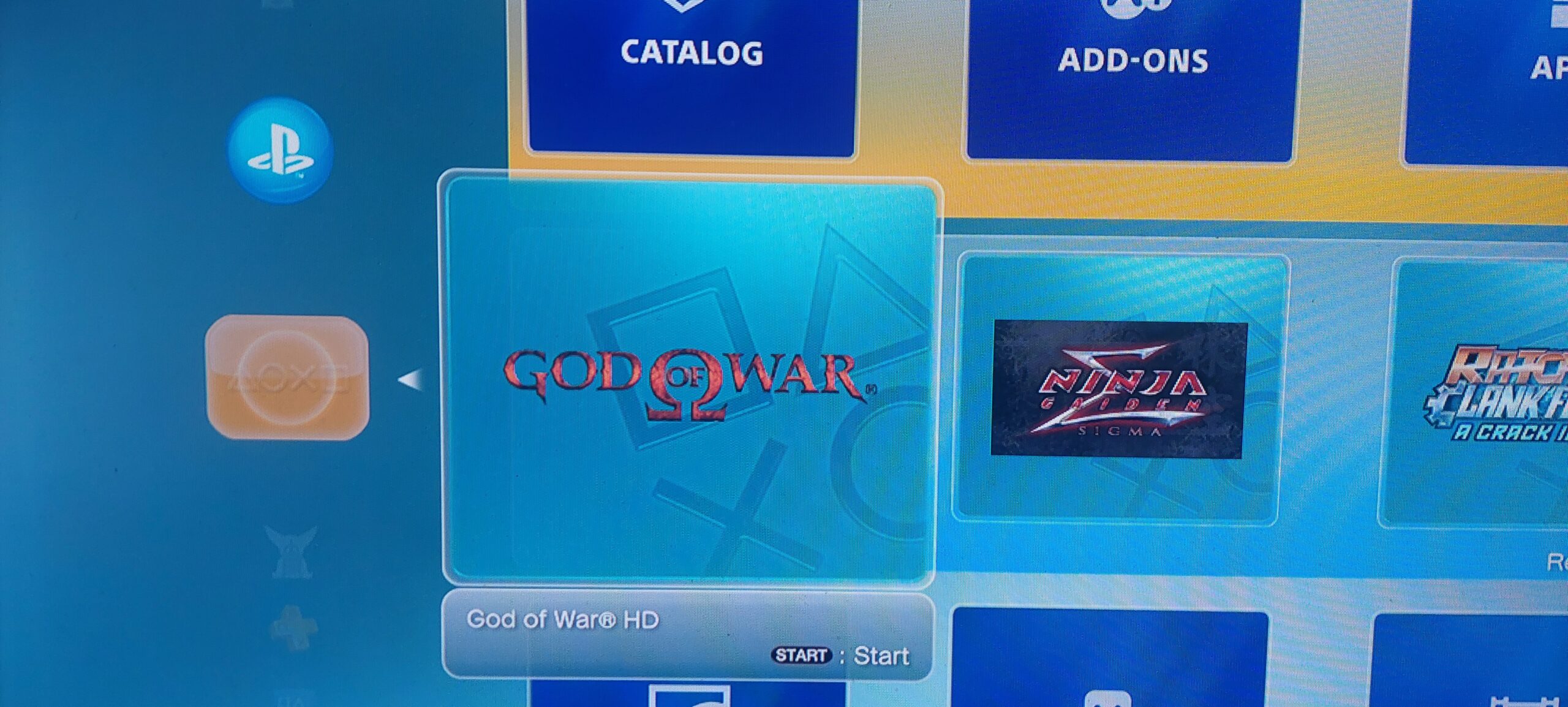
    Pulling out the old PS3 for some HD collection buying and downloading.

    Intro –

    You know, moving from old hardware to updated versions can be a very difficult thing to do, especially when you believe the hardware you’re holding is the only true way to experience a game.

    For a long time—and in some cases, not so long ago—I thought exactly the same way. I was a purist who believed that mixing gaming generations was almost forbidden. To me, the games you bought for a console belonged on that console and nowhere else.

    For example, if I wanted to play Jak & Daxter 1, 2, and 3, then I played them on the PS2. Keeping each gaming generation separate meant everything to me. One of the hardest things we gamers can do is change, especially when it challenges what we’ve grown comfortable with.

    Sometimes, though, what feels like a betrayal at first can actually be an upgrade for the greater good.

    The reality is that gaming hardware ages. Eventually, every console reaches a point where we have to decide whether it’s worth spending a small amount of money on an updated collection or potentially much more trying to preserve aging hardware for years to come.

    Today, I want to share my own experience with that decision. If you’re anything like I used to be, you may still struggle with the idea of buying collections or updated versions instead of playing everything on the original hardware.

    And that’s okay. Change is hard, and it doesn’t have to happen overnight.

    That said, let’s talk about it.

    Chasing the Perfect Version, Rod Edition –

    From late 2007 to mid-2014, I spent most of my time playing my PS2 and its games. Even though collections and remasters of many of those games were becoming available, I wouldn’t allow myself to embrace them or move toward the future.

    To me, the PS2 was the perfect way to experience my favorite games. Looking back, I realize I spent so much time chasing the “perfect” version instead of simply keeping an open mind.

    What’s ironic is that while I was searching for perfection, I missed out on some excellent collections, like the Sega Genesis Classics Collection on the PS4.

    The problem wasn’t convenience—it was my mindset. I was determined to keep my collection “pure.” If I already owned a game on the PS2, I didn’t want an upgraded version, no matter how good it was. That obsession became the driving force behind many of my gaming decisions.

    Take the God of War HD Collection, for example. It was available on the PS3, but at the time I had no interest in it. If I was going to play God of War I and II, I wanted to play them on the PS2 and nowhere else.

    Yeah, I know—stubbornness at its finest. I’ll gladly admit that.

    When the Final Fantasy I–VI Pixel Remaster collection was released, I barely gave it a second thought. I was convinced that playing those games on the PS2 was all I needed.

    Looking back, I realize I spent years denying myself the chance to enjoy those same adventures on newer hardware simply because I refused to step outside the boundaries I had created for myself.

    For me, it always came back to staying in my lane. I had convinced myself that every game belonged to its original console, and that was the only “right” way to experience it.

    One of the best examples was God of War III. I spent years searching for an original PS3 copy. I knew the God of War Saga collection existed, but I didn’t care. I wanted the original release because, in my mind, that was how the game was meant to be played.

    The funny part is that I had already beaten God of War III Remastered on the PS4. Even after that, I was still chasing what I believed was the “perfect” copy. Eventually, I found it, but only after spending more money than I needed to, including an expensive shipping charge.

    Looking back, I achieved my goal—but at a completely unnecessary cost. of War III Remastered on PS4, I belly ached about looking and having the ‘perfect’ copy of God of War III.

    To say the least, I accomplished my goal but at an unnecessary cost which was my bank account combined with paying a high shipping and handling fee to get it delivered. What a waste, am I right?

    When Research Replaced Playing –

    When the PS4 era arrived, I finally decided it was time to move toward the next generation, including picking up a PS3. As I built a large physical collection for that console, many of the same games started appearing on the PS4 in the form of collections and remasters.

    Naturally, I did what I always did—I researched. I compared versions, weighed the pros and cons, and spent countless hours trying to determine which version was the “right” one to own. Instead of enjoying games that were already available to me, I kept myself planted in the PS3 neighborhood.

    Going back to my earlier example, there were plenty of times when I had an itch that only God of War III could scratch. The problem was that I convinced myself the only way to satisfy that itch was to play the original PS3 version.

    The Ninja Gaiden series was another example. When the Master Collection released on the PS4 in 2021, I didn’t immediately see it as an opportunity. Instead, I spent hours researching it, asking myself, “If these are the same three games, what difference does it really make whether I play them on the PS3 or the PS4?”

    Looking back, I realize I was asking the wrong question.

    Preservation isn’t just about protecting old hardware. It’s also about making sure we can continue enjoying the games we love. Instead of embracing that idea, I spent more time researching than gaming, and that slowly changed the way I looked at the hobby.

    I had convinced myself that I was doing things the “right” way while everyone else was doing them wrong. I watched review after review, listened to endless opinions, and let other people’s arguments influence decisions that should have been my own.

    There’s nothing wrong with hearing different perspectives. The mistake I made was allowing those perspectives to outweigh my own experience. I let myself get caught up in debates and complaints from people who simply disliked something because it was new.

    Looking back, I wish I had trusted myself more.

    Since 2007, I’ve been working on a massive gaming project. The more I reflect on that journey, the more I realize how much further along I might have been if I had spent less time searching for the perfect version of every game and more time simply playing them.

    There were games I left on the shelf for days, weeks, and sometimes longer because I was trying to live by my own unwritten “laws” of gaming instead of allowing myself to enjoy the experience.

    There’s nothing wrong with loving video games. The problem comes when our love for them turns into an obsession with purity. At that point, respect for the hobby can slowly become a barrier that keeps us from enjoying it.

    Today, I believe the version matters far less than the experience. Whether it’s the original release, a collection, or a remaster, what truly matters is that you enjoy the game.

    It’s a lesson I wish I had learned much sooner.

    The Moment My Thinking Changed –

    Several months ago, I woke up with a realization. If I truly wanted to become an authority on gaming, then I had to step into the light, so to speak.

    I finally understood that many of the collections and remasters of the games I loved would eventually become just as important to preserving those experiences as the original hardware itself.

    That wasn’t a decision anyone else could make for me. I could have just as easily turned my back on the idea of owning collections like God of War, Jak and Daxter, or Ratchet & Clank. Instead, I decided it was time to change the way I looked at them.

    I spent a long time wrestling with the idea that there had to be a perfect version of every game. Eventually, I realized there isn’t.

    Take the Final Fantasy Pixel Remasters, for example. Yes, they include quality-of-life features, but if you set those aside, you’re still playing the same incredible games. The heart of the experience hasn’t changed.

    That realization also changed how I viewed collections like the Ninja Gaiden Master Collection. I know those games extremely well. Playing them on the PS4 doesn’t change what made them great on the PS3.

    The enemies are the same. The challenges are the same. The satisfaction of overcoming them is the same. The only thing that changed was the console I was holding.

    Once I finally embraced game collections, I stopped agonizing over how I was supposed to play a game and simply started playing it.

    I’ll admit it—I made a much bigger deal out of this than I probably should have. But when your thinking is driven by the idea of gaming purity, it’s difficult to accept that another version of the same game can still deliver the experience you fell in love with.

    These days, my mindset is completely different. Instead of asking, “Should I buy this collection?” I find myself asking, “Which collection should I pick up next?”

    The best example of this came when I played Final Fantasy VI Pixel Remaster. I never finished the game on my PS2, but I finally completed it on my Nintendo Switch.

    What surprised me most was that I was well into the adventure before it even occurred to me that I wasn’t playing on my PS2 anymore.

    I wasn’t thinking about the hardware.

    I was thinking about the game.

    That was the moment everything clicked. I realized I wasn’t losing anything by embracing newer versions. I was gaining the opportunity to continue enjoying the games I loved without putting unnecessary limits on myself.

    From that point forward, I chose to stay open to collections and remasters because, at the end of the day, what matters most is making progress, creating memories, and enjoying the experience—not arguing over which version is the “right” one.

    The differences only matter if we allow them to.

    Ninja Gaiden Sigma still punishes mistakes. The Golden Scarabs are still hidden in the same places. The challenge is still there, and so is the satisfaction of overcoming it.

    In the end, I discovered there was never a different experience waiting for me.

    There was only the same great game, ready to be enjoyed. Scarabs are still in the same places they were a generation earlier.

    There is no difference, only the same great experience that comes from enjoying a great game.

    My New Rule, Just Play –

    After spending so much time overthinking and agonizing over the “perfect” way to play a game—or even a specific game—I finally reached the point where I just put the game in and played.

    That really brings my new rule into focus: I’m no longer looking for excuses to stick to a single “correct” way of playing or enjoying games. I just play.

    I remember when I played Final Fantasy VI Pixel Remaster for the first time. As a new player, the game had a lot to offer, and it started with simply experiencing its features without overthinking them.

    From that point on, I made it my focus to keep one idea at the front of my gaming mindset: there is no such thing as a perfect version of a game—only the version you enjoy.

    I have a little over 4,200 games, and I still get enjoyment out of every one of them, even though they’re spread across different consoles. My goal has become simple: to create memories.

    Even now, my Facebook is filled with photo after photo of gaming moments from the games I’ve played and completed.

    At that point, it stopped being about chasing the “perfect” version of a game. It became about creating memories—like using the Red Mage in FFV, defeating the Colossus in God of War II, or blasting enemies apart in Ratchet & Clank: Going Commando. Those moments matter more than version debates ever did.

    I’ve also learned something else: there’s a real difference between trusting your own experience with a game and letting others decide which version is “best.” Whether I’m taking down Cronos in God of War III on PS3 or PS4, the experience itself is what matters most.

    Why This Makes Gaming More Enjoyable –

    Once upon a time, at the height of it all, I believed a game was measured by how “perfectly” it could be played. That often led to massive amounts of time spent researching instead of actually playing.

    I’ve come to realize that spending less time researching and more time playing—and creating memories—is a far better use of gaming time.

    Gaming becomes more enjoyable when you stop overthinking what makes certain aspects of a game “important” and just experience them for what they are.

    And if I’m being honest, too much research often becomes wasted time, because when you finally play the game, you realize that the real value was always in the experience itself, not the preparation.

    Besides, that’s why it’s called video gaming—not video game researching all day. These days, I try to spend as much time as possible with my games, whether it’s PS2, PS4, or PS5. Once I start a game, I get invested in it and push through from beginning to end.

    I don’t like wasting time. That has always been a core part of how I operate. So when I play, I tend to absorb everything the game offers without constantly stepping outside of it.

    For me, there’s no “until I get bored.” I usually commit from start to finish, and that focus helps me get fully immersed in the experience—almost like everything else disappears except me and the game.

    And that’s also why I prefer developing my own strategies and approaches. I like figuring things out myself rather than watching someone else’s playthrough or relying on outside solutions.

    Even when I hit a rough patch, I’ve made a conscious decision not to immediately turn to YouTube or guides. Instead, I work through it my own way.

    At the end of the day, no two players will experience a game exactly the same way. Everyone builds their own strategies, their own rhythm, and their own understanding of how to play. That difference is what makes gaming personal.

    Looking Ahead –

    The change in my gaming philosophy now guides every decision I make. If there’s a collection for an older game that offers a new way to experience it, I’m open to buying it. I’m done spending hours researching when I could be playing and enjoying the experience instead.

    Creating memories has become the core of how I approach gaming. When I think about how life is unpredictable, I sometimes ask myself what games I would want to remember most.

    Apologies if that sounds morbid, but gaming memories aren’t just a concept to me—they’re real experiences that stay with you. If you love gaming enough, those memories become just as meaningful as anything else in life.

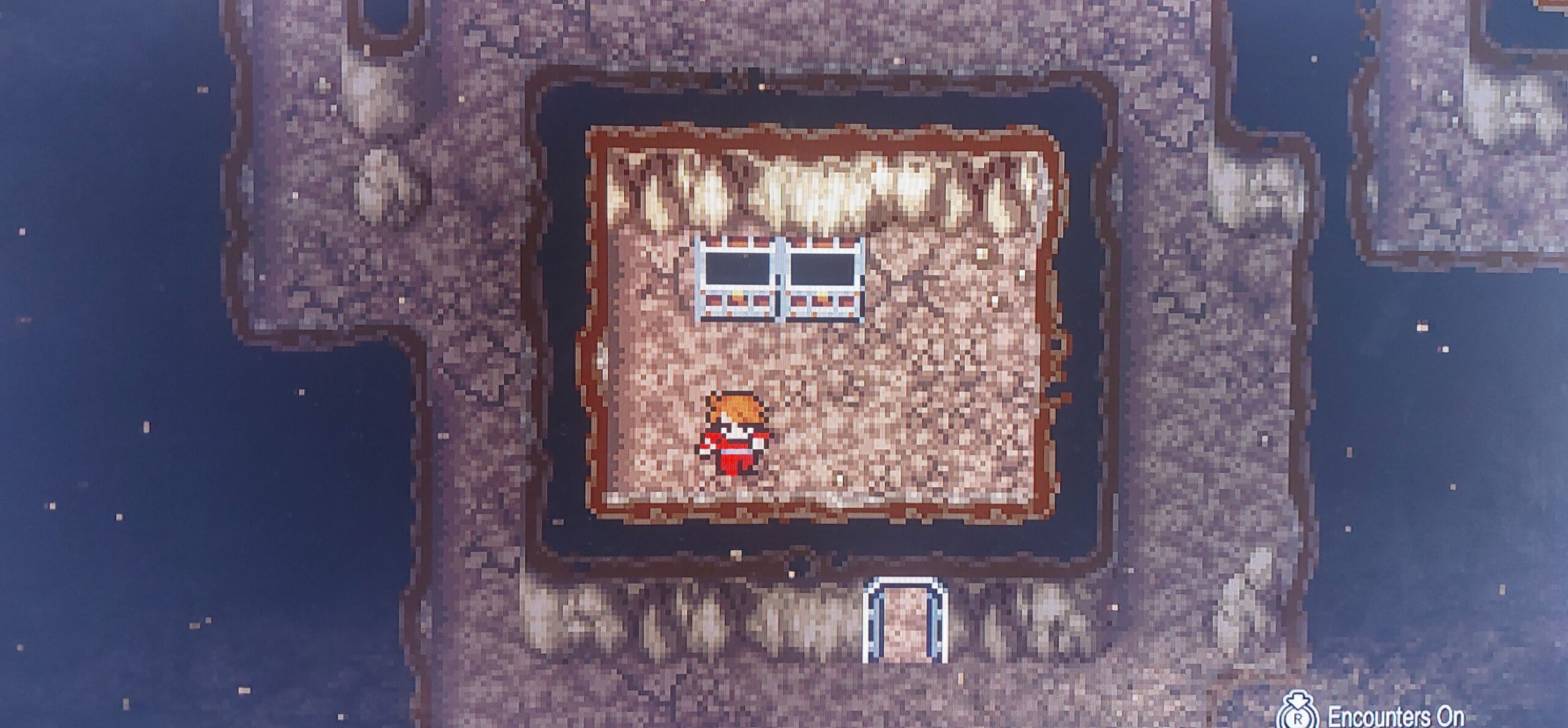
    Right now, I’m working my way through Final Fantasy V Pixel Remaster, and I’m not focused on 100% completion or collecting every chest in every area.

    I’m not even worried about learning every Blue Magic skill, especially since some of them aren’t worth my time. I’m letting the experience guide me instead of forcing myself to check every box.

    I remind myself that collectibles are often a dime a dozen. What matters more is not robbing yourself of the experience of actually playing the game.

    When you play a game, the goal should be simple: enjoy it, experience it, and fully immerse yourself in it. Find what works for you, carve your own path, and let that experience shape how you play.

    And even if you turn that into something greater—like helping other gamers through your writing—do it knowing you’re still playing the game your way, and encouraging others to do the same.

    Conclusion –

    My takeaway is this: when you stop chasing the “perfect” version of a game, the time you once spent researching turns into something else entirely—a deeper connection with the game itself.

    Looking back on the years I spent overthinking versions and choices, I realize that choosing to simply play is what made gaming enjoyable again.

    Moving forward, this is how I approach everything related to gaming. I no longer do it based on someone else’s perspective or how I think it “should” be done. I do it from my own experience, in my own way.

    That, to me, is the greatest lesson I’ve learned from changing my gaming philosophy.

    Some games become more than just playthroughs—they shape how we experience gaming itself.

    This is a collection of games I’ve played and reflected on through my own approach: no walkthrough reliance, no chasing perfect versions—just real gameplay experiences across generations.

    Each entry represents a moment, lesson, or memory from playing games my way. Check it out here, https://benable.com/RoddyMcG/games-i-played-my-way-personal-gaming-experiences-across-generations

  • Contra: Operation Galuga Tips and Strategies for New Recruits.

    Contra: Operation Galuga Tips and Strategies for New Recruits.

    Contra is known as one of the hardest game series in gaming, and it’s no secret that frustration has caused many players to walk away from it over the years. Others, myself included, embraced the challenge and kept coming back for more.

    When I finally had the opportunity to play Contra: Operation Galuga on my Nintendo Switch, I quickly realized this game is no exception. It’s easily one of the toughest entries in the series, and along the way it taught me more than a few valuable lessons.

    Operation Galuga follows the classic Contra formula: enemies attacking from every direction, bullets filling the screen, and obstacles appearing with little warning. However, this time around, the game introduces a few new mechanics that change how you approach each stage—but more on those later.

    What impressed me most was how the game constantly pushes you to think differently. Success isn’t just about quick reflexes anymore; it’s about making smart use of your weapons, perks, and abilities while adapting to whatever the game throws at you.

    The tips and strategies you’re about to read aren’t copied from another guide. They’re based on my own experience playing through the game and the lessons I learned along the way.

    Contra: Operation Galuga is going to make you earn every victory, but with the right mindset and a few solid strategies, you’ll be better prepared for the challenges ahead.

    Let’s get started.

    Don’t Panic –

    This is one of the most ironic tips I can give you. Despite Contra’s reputation, most of the danger in Contra: Operation Galuga is right in front of you.

    Sure, you’ll occasionally run into enemies charging at you with bombs or missiles, but for the most part, you’ll see the threats coming. That’s why there’s no reason to panic.

    One of the things I appreciate most about this game is that staying calm becomes its own reward. When you’re trying to survive a difficult section or wondering why you died several times in a row, keeping a level head will help you far more than rushing ahead in frustration.

    Instead of worrying about every possible ambush, focus on what’s happening in front of you and react accordingly.

    Your weapons and each character’s unique abilities are designed to help you overcome the challenges the game throws at you.

    While Operation Galuga will still surprise you from time to time, staying composed will carry you through most situations, including many of the boss battles.

    The worst thing you can do is lose your temper. Unlike some of the earlier Contra games, Operation Galuga is more forgiving in several areas, giving you opportunities to recover from mistakes.

    Stay patient, learn from each attempt, and you’ll make steady progress through the game.

    One thing to always keep in mind is survival. That means keeping your weapon firing, your eyes on the battlefield, and your focus locked on what’s happening around you.

    Contra has always been a game that rewards quick reactions, and Operation Galuga is no different.

    While surviving isn’t quite as unforgiving as it was in some of the earlier Contra games, you’ll still have to earn every victory.

    Timing your jumps, avoiding enemy fire, and keeping your weapon ready at all times are all part of staying alive.

    Perhaps the biggest mistake you can make is letting your guard down. Contra is known for creating false moments of safety, only to send another wave of enemies your way.

    Stay alert, keep moving, and you’ll greatly improve your chances of making it through each stage. longer.

    Learn the Level –

    This tip will save your life, especially during stages like the village level. Whenever possible, take the high ground. From there, you’ll have a much better view of approaching enemies and can avoid being surrounded. I relied on this strategy throughout the stage and often made it to the boss with little or no damage.

    Taking the high ground also makes it much easier to study enemy patterns. If you eventually have to drop down into the action, you’ll already have a good idea of what’s waiting for you. I leaned heavily on this approach during both the village and waterfall sections, where enemies and obstacles seemed to be everywhere.

    Veteran Contra players know that safe spots have always been rare, but Operation Galuga includes more opportunities to catch your breath than earlier games. Learning where those areas are can make the difference between preserving your Life Meter and losing a life.

    Pay attention to where enemies appear less frequently or where the action temporarily slows down. If you discover a relatively safe area, use it. Regroup, clear the screen, and only move forward when you’re ready.

    Some players may think they can run through the game perfectly on their first attempt, especially if they’re experienced with previous Contra titles. In reality, Operation Galuga still demands patience and practice. You’re going to make mistakes, and that’s part of the learning process.

    Mastery doesn’t come from a perfect first run. It comes from learning the stages, recognizing enemy patterns, discovering where the weapon pods appear, and improving with every attempt.

    Find Weapons That Fit Your Style –

    Right from the start, I recommend turning off the Auto Weapons perk. For me, it takes away some of the excitement that comes from breaking open a weapon pod and discovering what you’re going to get. That’s always been part of the Contra experience.

    Think about it this way. You begin the game with the weapon you wanted from the start. Then, a weapon pod flies by carrying something that might have been even better for the situation you’re facing. Suddenly, one of the game’s most enjoyable mechanics doesn’t feel nearly as rewarding.

    Personally, I enjoy earning my weapons as I play. I could have started every run with my favorite combination—the Homing Gun and Spread Gun—but I chose not to. I wanted every weapon upgrade to feel earned, and that’s part of what made the experience enjoyable for me.

    Operation Galuga is generous with weapon pods, so there’s no shortage of opportunities to build the loadout you want. Rather than relying on the Auto Weapons perk, let the game reward you naturally as you progress through each stage.

    For me, the Homing Gun and Spread Gun became my go-to combination.

    The Homing Gun allowed me to focus on dodging enemies and navigating each stage while the missiles handled threats around me. Against bosses with multiple weak points or dangerous appendages, it let me deal consistent damage without taking unnecessary risks.

    The Spread Gun, on the other hand, is exactly what Contra fans expect. Anything directly in front of you is in serious trouble. It clears crowds, destroys obstacles quickly, and gives you room to breathe when the action becomes overwhelming.

    That doesn’t mean these are the only weapons worth using. The Laser excels at attacking enemies directly ahead of you, while the Flamethrower can be very effective in the right situations. However, I found that constantly changing weapons became less effective than mastering the ones I enjoyed using the most.

    My advice is simple: experiment with every weapon, then find the two that best fit your playstyle. Once you discover the combination that feels natural, stick with it. Mastering your favorite weapons will carry you much further than constantly switching between them.

    Use Perks That Support Your Strengths –

    For the first time in a Contra game, you get to choose what kind of edge you want to give yourself before the action even begins. These come in the form of perks. Think of them as small bonuses that can make a big difference throughout your playthrough.

    There are several perks to choose from, but I only relied on a few because I wanted to give myself a strong start.

    One of my favorites is Weapon Retention, which lets you keep your current weapon after dying. In a game where the right weapon can completely change a battle, this perk is incredibly valuable.

    Another perk I highly recommend is HP Boost+ 1 & 2. These are lifesavers and can easily mean the difference between defeating a boss or seeing the Game Over screen.

    Personally, I wouldn’t play without at least one of them. Having more health gives you extra room to recover from mistakes, which is invaluable in a game as demanding as Contra: Operation Galuga.

    Another perk worth considering is Overload Heal. At first glance, it sounds like the perfect choice because it restores a health point whenever you use Overload. Against difficult bosses, that can be very tempting.

    However, there’s a tradeoff. Overload consumes your current weapon, so using it too often means giving up weapons that may be ideal for the fight.

    If your strategy revolves around frequent Overloads, this perk can be very effective. If you’re like me and prefer holding onto powerful weapons, you may get more value from perks that improve survivability instead.

    Ultimately, the best perks are the ones that fit your playstyle. My personal favorites were Weapon Retention and HP Boost+ 1 & 2 because staying alive was my highest priority.

    Your preferences may be different. You might enjoy recovering health with Overload Heal, extending your invincibility after taking damage, or experimenting with different combinations.

    There isn’t a wrong choice. Try different perks, see what works for you, and build a setup that complements the way you enjoy playing Contra: Operation Galuga.

    Bosses Test Patience, And They Will Too –

    Commonly, bosses are a test of both mental acuity and gameplay. More than regular enemies, however, Contra bosses are designed to test your patience. They’ll throw attacks at you that seem impossible to avoid, overwhelm you with projectiles, and punish every mistake you make. Sometimes you’ll escape without taking damage, and other times you won’t.

    This is where patience becomes your greatest weapon. Even if you take a hit or lose a life, every attempt teaches you something. Pay close attention to the boss’s attacks because many of them reveal brief openings in their defenses. These openings may only last a second or two, but they’re often the safest opportunities you’ll get to strike.

    And for the love of all that’s holy, don’t get greedy. One of the easiest mistakes to make is focusing so much on dealing damage that you stop protecting yourself. Before you know it, you’re taking unnecessary hits simply because you wanted one more attack.

    I learned this lesson the hard way more times than I care to admit. Trying to force damage usually ends with you losing more health than you gained by attacking. Instead, let the fight come to you.

    Nearly every boss has a pattern, and every pattern has a weakness. Your job is to recognize it, stay patient, and strike when the opportunity presents itself.

    Contra: Operation Galuga rewards players who stay calm under pressure. The longer you observe, the more predictable each boss becomes, and what once looked impossible gradually turns into another battle you know how to win.

    Easy Mode is Training –

    This is one of those Contra games that lets you play the way you want. If you’re a longtime Contra veteran, you may jump straight into Normal Mode. However, if you’re new to the series or simply want to learn what you’re up against, don’t be afraid to start on Easy Mode.

    There’s no shame in it. In fact, I almost started there myself because, much like Ghosts ‘n Goblins Resurrection on Squire Mode, Contra: Operation Galuga will still punish you for making mistakes. The difference is that Easy Mode gives you more room to learn from those mistakes.

    With fewer enemies on screen, you’ll have an easier time recognizing attack patterns, learning each stage, and figuring out which character works best in different situations. Instead of constantly fighting for survival, you can spend more time understanding how the game works.

    At the risk of sounding a little hypocritical, beating the game on Easy Mode isn’t a bad thing. If that’s the difficulty that helps you become comfortable with the game, then that’s exactly where you should begin.

    Looking back, I probably would have benefited from starting there myself. Instead, I chose Normal because I’m a bit of a glutton for punishment. Even so, Easy Mode is an excellent learning tool.

    Once you feel comfortable, you can always move up to Normal Mode. But don’t feel pressured to do it immediately. Contra: Operation Galuga isn’t going anywhere, and neither is the challenge. You can always come back later when you feel ready.

    The most important thing is to enjoy the game on your terms. Learn at your own pace, build your confidence, and challenge yourself when you’re ready—not because you feel like you have something to prove.

    Conclusion –

    So, to recap, Contra: Operation Galuga offers a whole new kind of Contra experience. As long as you stay calm, take the time to learn each level, and avoid panicking when things get hectic, you’ll be well on your way to success.

    Keep in mind that just because there are several weapons and Overload abilities doesn’t mean you have to use every one of them. Find the weapons that suit your playstyle and stick with them.

    The same goes for perks. Don’t feel obligated to choose the ones I preferred—this is your adventure, so build a setup that works best for you.

    The more comfortable you become with your weapons, perks, and the game’s mechanics, the more patient you’ll become during boss battles.

    That patience, combined with a willingness to learn, is what will ultimately carry you through the toughest fights. If you decide to start on Easy Mode, use it as an opportunity to learn the game, build your confidence, and prepare yourself for greater challenges later on.

    Above all else, enjoy the journey. Every defeat teaches a lesson, every victory builds confidence, and every playthrough makes you a better Contra player. As the saying goes, slow and steady wins the race.

    If you’re getting ready to jump into Contra: Operation Galuga, I’ve also put together a Benable list featuring games, accessories, and other recommendations inspired by this article. Whether you’re building your retro collection or looking for your next challenge, be sure to check it out!

    https://benable.com/RoddyMcG/contra-operation-galuga-and-other-action-games-worth-your-time

  • Valis IV: A Small Game That Demands Respect

    Valis IV: A Small Game That Demands Respect

    Intro –

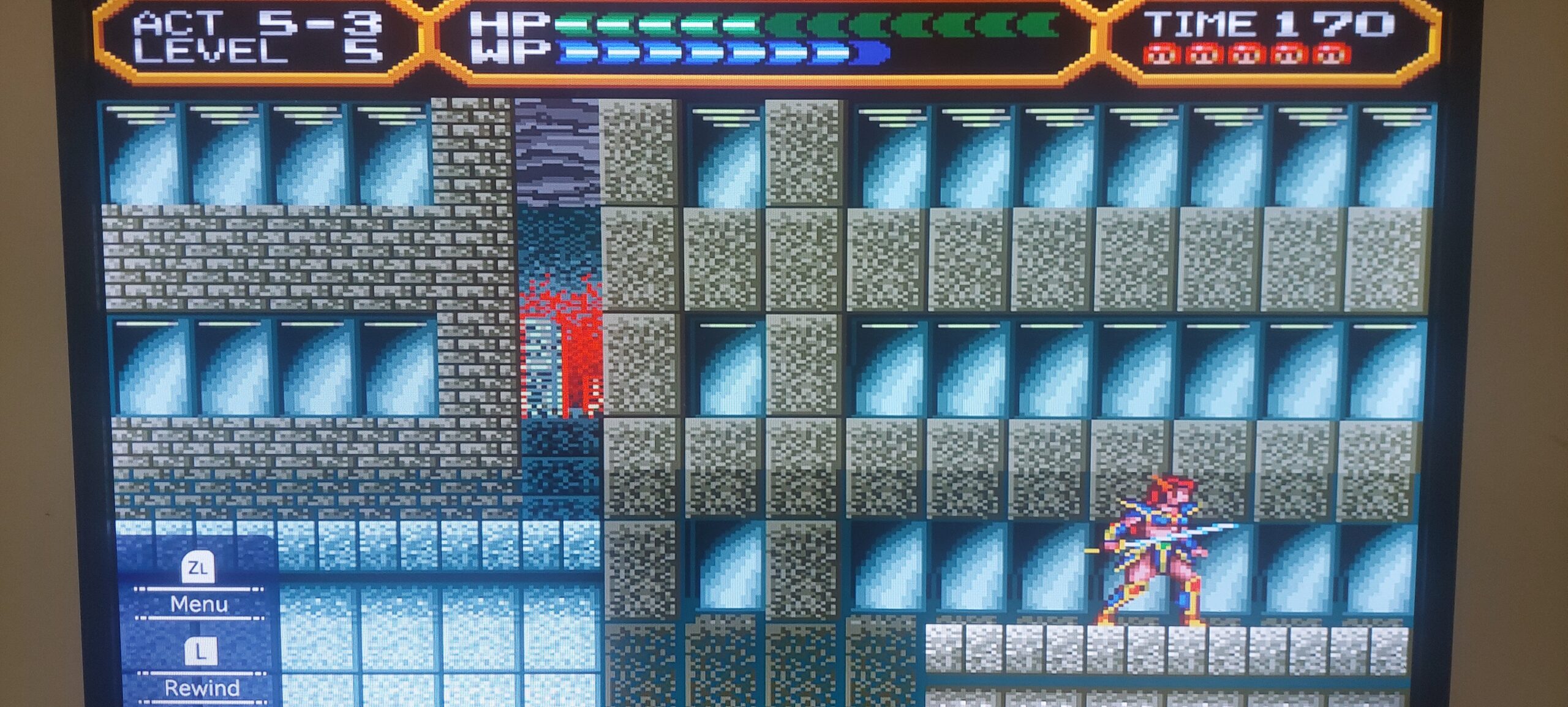
    When I decided to start playing games in their original forms, I came across Valis IV. Knowing that it wasn’t exactly the same as the SNES version, I decided to play it anyway.

    Despite originally releasing in 1990, the game has found new life on modern consoles. I picked it up on Nintendo Switch because I wanted to experience this classic for myself.

    Valis IV is the kind of game many players may overlook. At first glance, it appears simple enough, but that first impression can be misleading. While it is a retro game in every sense of the word, underestimating it can quickly lead to frustration.

    As someone who enjoys revisiting older games, I have learned that some retro titles are remembered for a reason.

    While many classic games are fun to look back on, others still manage to challenge modern players. Valis IV falls into that category. It may not be as well known as some of its contemporaries, but it still has plenty to teach anyone willing to give it a chance.

    Early on, you’ll find yourself defeating enemies and moving through stages without much trouble. Before long, however, the game begins introducing enemies with unique movement patterns that make landing attacks much more difficult than expected.

    Some enemies are positioned in places where standard attacks won’t reach them. In these situations, you’ll need to rely on character abilities, such as Lena’s Thunder Ball, to deal with aerial threats and secure valuable health pickups.

    Because of this, Valis IV rewards players who pay attention. Simple mistakes can be costly, and success often comes from learning how enemies behave rather than rushing forward.

    The same can be said for the game’s bosses. The first boss may not seem intimidating at first, but that impression changes quickly once the battle begins. General Dahlgen serves as an early reminder that the game expects players to learn attack patterns and adapt on the fly.

    During this fight, you’ll need to study enemy behavior while learning how your own abilities can help you avoid damage. For example, Lena’s slide move can be used to evade several of Dahlgen’s attacks, including the fire blasts from his tiger companion.

    Even then, the game encourages players to vary their tactics instead of relying on a single strategy.

    I also found that becoming comfortable with the controls made a huge difference. If the default control setup doesn’t feel right, taking the time to customize the button layout can make the game much easier to manage.

    Making progress in Valis IV isn’t impossible, but the game will make you earn every victory. Something as simple as adjusting your controls can mean the difference between clearing a difficult section and falling into a pit.

    In this article, I’ll discuss my experience with Valis IV, the lessons I learned while playing it, and why this seemingly small game earned my respect.

    Valis IV is a game that demands respect from its players. Underestimate it, and it will remind you very quickly why that is a mistake. I learned that lesson the hard way, and hopefully this article will help you avoid doing the same.

    Valis IV Is More Challenging Than It Looks –

    Valis IV is one of those games that looks much easier than it actually is. From the enemies you encounter to the gaps you have to jump over, the game constantly challenges you in ways you don’t expect.

    Take the platforming, for example. It is surprisingly easy to misjudge jumps in this game.

    While Amu’s double jump makes crossing pits much safer, there were still several times when I found myself falling into holes because a gap was just a little wider than it first appeared. What looks like a simple jump can quickly turn into a costly mistake.

    The enemies are no different. Many of them appear harmless at first, but looks can be deceiving. The Dragon Statues in Babylon are a perfect example.

    They may not seem threatening when you first encounter them, but defeating them can be a challenge depending on which character you’re using.

    Situations like these are one reason why the game allows you to switch between characters. Choosing the right character for the situation can make a difficult encounter much easier.

    The bosses also do a good job of showing just how challenging the game can be. Using maximum magic at the start of a fight can help shorten battles, especially when you’re trying to avoid dangerous attacks.

    However, even then, the game expects you to understand the strengths and weaknesses of each character.

    Dahlgen, the first boss of the game, taught me this lesson very quickly. While the battle may seem manageable at first, things can spiral out of control if you aren’t paying attention. Lena’s slide ability allows her to avoid attacks that Amu cannot.

    Trying to force the fight with the wrong character often leads to disaster. Boss battles like this taught me that every character has a purpose and that understanding their abilities is essential to success.

    The game also has a habit of overwhelming you when you least expect it. You’ll defeat one enemy only to discover another waiting nearby.

    Before long, multiple enemies are closing in from different directions. It is Valis IV’s way of reminding you to stay alert and watch your surroundings at all times.

    Even after Lena becomes the Valis Warrior and gains new equipment, the game continues to punish careless mistakes. I often found myself switching between characters and relying on their unique abilities just to survive difficult situations.

    Valis IV taught me that first impressions don’t mean much. What appears to be a simple action game quickly reveals itself to be a game that rewards awareness, adaptation, and patience.

    Valis IV Rewards Preparation –

    Valis IV may be a challenging game, but it also rewards players who take the time to prepare. In many situations, success comes from understanding the game’s mechanics rather than trying to force your way through every obstacle.

    One of the first things that helped me was adjusting the control scheme. Since I couldn’t read the Japanese text, I had to remember what each button did.

    Between Lena’s slide, Amu’s double jump, and the various magic attacks, I often found myself forgetting commands during important moments. Customizing the controls made everything easier to remember and helped me play more confidently.

    Learning each character’s abilities is also important. Lena’s slide is one of the most useful moves in the game. Not only can it help avoid enemy attacks, but it also becomes necessary in later stages when crossing certain hazards and gaps.

    Amu’s double jump is just as important. While it may seem easy to use at first, timing the jump correctly takes practice.

    More than once, I thought I had enough distance to clear a gap only to fall straight into it. Whenever I wasn’t sure if a jump could be made safely, I usually trusted Amu to handle it.

    Another trick that helped me was changing the basic attack to rapid fire in the controller settings. This allowed me to attack continuously without repeatedly pressing the button. While it isn’t required, I found it made boss battles smoother and helped shorten fights considerably.

    Magic is another mechanic that can easily be overlooked. However, learning when and how to use it can make a huge difference.

    With a full magic meter, each character gains access to powerful attacks that can clear enemies from the screen and quickly turn a dangerous situation in your favor. Lena’s Thunder Ball is especially useful for dealing with enemies positioned above or in front of her.

    Preparation also means knowing which character to use in specific situations. Amu excels at platforming sections, Lena handles most combat encounters well, and Asfar’s raw strength can make difficult battles much more manageable. Trying to use the same character for everything often creates unnecessary problems.

    Valis IV taught me that preparation beats brute force. Taking the time to learn the controls, understand each character’s strengths, and make use of the game’s mechanics often meant the difference between success and failure.

    Valis IV Will Test Your Patience –

    Valis IV isn’t one of those games you can casually walk through without facing adversity. The game will test your patience more than once. At times, it can be frustrating, but that frustration is also part of what makes victory feel rewarding.

    The reason to keep going is simple: Valis IV makes you earn every success. Whether it’s surviving a difficult boss battle or reaching the next stage with most of your health intact, the game rarely gives you anything for free.

    Gallagher, one of the final bosses in the game, is a perfect example of this. Fighting him twice, first with Asfar and then with Lena, taught me the value of patience. His attacks come quickly, and his aerial charge can be difficult to avoid, especially when using Asfar.

    To succeed, I had to stay focused, keep moving, and use magic wisely while avoiding his energy attacks.

    The battle wasn’t easy, and I suffered several defeats before finally overcoming him. However, every attempt taught me something new.

    By the second fight, I had a much better understanding of his attack patterns. Instead of panicking, I learned when to move, when to attack, and when to slide under his attacks rather than directly into danger.

    Learning enemy patterns is one of the most rewarding parts of Valis IV. Medius is another good example. She attacks with fire magic, disappears, then reappears on the opposite side of the screen before launching another attack.

    Once I understood her pattern, I began attacking immediately after she landed and after safely avoiding her fireball.

    Even regular enemies reward patience and observation. The shield maidens on Stage 4-2 seem difficult at first because they constantly defend themselves.

    However, getting close to them causes them to lower their guard, creating an opening for attack. Encounters like these taught me that rushing forward isn’t always the answer.

    By the end of the game, I realized that persistence was just as important as skill.

    Every defeat, every setback, and every frustrating boss battle taught me something valuable. I didn’t reach the ending because everything went smoothly. I reached it because I kept learning, adapting, and trying again.

    Valis IV rewards players who refuse to give up. If you’re willing to step back into the fight after a difficult defeat and keep pushing forward, you’ve already learned one of the game’s most important lessons. Persistence pays off.

    If You’re Just Entering the Valis World, Here’s Some Tips That’ll Help, Just in Case.

    Learn Before You Attack –

    Valis IV is one of those games where enemies don’t wait for you to study them. More often than not, you’re forced to learn their attacks while the battle is happening.

    That can be frustrating at first, but it also teaches one of the most important lessons in the game: learn before you attack.

    Take General Luzard, for example. During the fight, he’ll slowly move around the arena while launching spikes in your direction. Then, without warning, he’ll move to another side of the screen and begin attacking again.

    At first, it can feel overwhelming, but once you start paying attention to his movements, the battle becomes much easier to manage.

    Luzard isn’t necessarily difficult, but he teaches an important lesson. Learning attack patterns and understanding when it’s safe to strike are often more important than attacking as quickly as possible.

    In fact, using your magic attack can help deal damage without forcing you into dangerous situations.

    The same lesson applies throughout the game. When facing Valis Yuko and Angel Yuko, your first instinct might be to attack the aerial opponent first.

    However, I found it much easier to eliminate Valis Yuko before focusing on Angel Yuko. Sometimes success comes from understanding the battle rather than rushing into it.

    Of course, not every encounter gives you time to stop and observe. Some battles require you to adapt on the fly. Gallagher is a good example of this.

    Even so, I found that many of his attacks remained consistent from one attempt to the next. Once I recognized his patterns, I knew what to expect and how to respond.

    Learning attack patterns and surviving go hand in hand. It’s not enough to recognize an attack.

    You also need to find the safest way to avoid it. Sometimes that means jumping. Sometimes it means moving to a specific spot on the screen. Other times, it means using a special ability at exactly the right moment.

    Lena’s battle against Gallagher demonstrates this perfectly. Her slide move isn’t just useful; it’s often necessary.

    When Gallagher launches himself through the air with his axe attack, sliding underneath him is one of the safest ways to avoid damage and create an opening for a counterattack.

    This is one reason Valis IV became one of my favorite games. The game constantly encourages you to learn, adapt, and improve. Every enemy and boss has something to teach you if you’re willing to pay attention.

    Don’t make the mistake of assuming an enemy is harmless. Valis IV rewards players who stay alert and punishes those who stop paying attention. Learning before you attack may take patience, but it can mean the difference between victory and seeing the Game Over screen.

    Use Your Tools Wisely –

    This is a lesson I learned the hard way while playing Valis IV. I didn’t always use my resources correctly, but over time I realized that knowing when to use them was just as important as having them in the first place.

    One example is Lena’s Rolling Spark magic. At first, it can be tempting to use magic whenever it becomes available, but doing so isn’t always the best strategy. Timing often matters more than simply casting a spell as soon as possible.

    The Gallagher boss fight is a perfect example. When Gallagher levitates and moves above Lena, activating Rolling Spark before sliding underneath him allows you to avoid damage while continuing to deal damage at the same time.

    Used correctly, the spell becomes much more effective than if it had been used randomly at the start of the fight. Like this, 

    Many players may assume that opening every boss battle with maximum magic is the best approach. While that strategy can work in certain situations, it isn’t always the most effective use of your resources. Some fights reward patience and proper timing more than raw damage.

    Magic is one of the most valuable resources in Valis IV. Whether you’re fighting a boss or dealing with groups of enemies, your magic can quickly turn a difficult situation in your favor. However, because it is limited, you need to think carefully about when and where to use it.

    Valis IV taught me that resource management matters. Understanding your magic abilities, knowing what each level of magic can do, and using those abilities at the right moment often makes a bigger difference than simply using them as soon as they become available.

    The better I became at managing my resources, the easier it became to handle the game’s toughest challenges.

    Rewind Is THE Teacher –

    One of the most useful features included with Valis IV is Rewind. At first, it may seem like a simple convenience feature, but I quickly discovered that it can be one of the best learning tools in the entire game.

    Think about it. You’re fighting a boss, making good progress, and then suddenly take a hit that ends the battle. Instead of starting all over again, you can rewind a few seconds and try a different approach. The same applies when you’re attempting a difficult jump, trying to grab a healing item, or learning how to avoid a dangerous attack.

    Rewind doesn’t just help you recover from mistakes. It helps you understand why those mistakes happened in the first place. More often than not, I found myself using the feature to study enemy attacks, improve my timing, and experiment with different strategies.

    I relied on Rewind several times during battles with bosses such as the Yuko duo and Gallagher. Being able to replay critical moments allowed me to better recognize attack patterns and learn when it was safe to strike. Over time, I became more confident because I understood the battles better.

    What makes Rewind so valuable is that it encourages learning rather than frustration. Instead of repeatedly failing and wondering what went wrong, you can immediately see the mistake, correct it, and move forward.

    For that reason, I strongly recommend using the feature. Some players may see Rewind as a shortcut, but I see it as a teaching tool. Used properly, it can help you improve your technique, recognize enemy openings, and gain a much deeper understanding of the game.

    Valis IV is still a challenging game, but Rewind gives players the opportunity to learn from their mistakes rather than simply being punished for them.

    Conclusion –

    Valis IV is one of the most challenging retro games I’ve played, but it also provides players with the tools they need to succeed. Features like Rewind give you the opportunity to learn enemy attacks, improve your timing, and recover from mistakes while continuing to improve.

    More importantly, Valis IV rewards patience and preparation. Taking the time to learn attack patterns, understand character abilities, and even adjust the control scheme can make a tremendous difference throughout the adventure.

    One of the biggest mistakes a player can make is judging the game based on first impressions alone. What initially appears to be a straightforward action game quickly reveals itself to be a challenging experience that demands focus, adaptability, and persistence.

    That doesn’t mean the game is unapproachable. It simply means you need to enter each stage expecting the unexpected and remaining ready for whatever comes next.

    Valis IV may have been the final entry in the series, but it remains a game that rewards players who are willing to learn, adapt, and persevere. If you’re willing to give it the respect it deserves, you’ll discover a challenging and rewarding adventure that still holds up today.

    Valis IV isn’t the only game that rewards patience, preparation, and persistence. If you’re looking for more games that challenge players to learn, adapt, and improve, be sure to check out my Benable list, Games That Demand Respect From Players. – https://benable.com/RoddyMcG/games-that-demand-respect-from-players

  • What Final Fantasy I Pixel Remaster Offers Modern Players!

    What Final Fantasy I Pixel Remaster Offers Modern Players!

    Intro –

    It can’t be argued that most Final Fantasy games come in from the cold and go out with a bang, and Final Fantasy I Pixel Remaster is no exception.

    As someone who just beat the game this morning, I can tell you that there’s far more to this remaster than meets the eye. While it may be a modernized version of a game that originally released in 1987, it still has plenty to offer both longtime fans and newcomers alike.

    As the game that started the Final Fantasy franchise, Final Fantasy I laid the foundation for one of gaming’s most celebrated RPG series.

    More importantly, the Pixel Remaster gives modern players more control over how they experience that journey through a variety of quality-of-life improvements and gameplay options.

    Today, I’m going to discuss what Final Fantasy I Pixel Remaster offers modern players, why it remains relevant after all these years, and what I learned from my own adventure through this classic RPG.

    Chapter 1, Simplicity That Still Works –

    Now, when you hear the words, ‘straightforward RPG’, you’d think, “yeah right, when has an RPG EVER been straightforward?” Well I can assure that this RPG is definitely.

    You remember all those days when you were forced to walk around dungeons trying to find all of the treasure chests while trying to stay alive, it’s like you had three jobs, ironically.

    One of the things that make Final Fantasy I Pixel Remaster a slam dunk is that it simplifies dungeon crawling, all of those minutes and hours of trying to find chests or a chest, gone.

    You know, it’s like the devs were like, “I know what we thru back in the day, let’s make sure no one else does if they did too.” And with that, we got this nifty little number.

    Dungeons being easier, far easier to navigate by simply bringing up the map with the X button.

    As someone who just, as I previously mentioned, beat the game, I can tell you that this saved my life many time in every dungeon area I went to.

    It’s little perks like this that makes this game not only engaging but gives you the chance to really find and get your footing, it’s a good thing.

    So, you know how in the original, you get to choose what you want your party to be. Well, that choice makes a return in this game as well. Incidentally, you can create you own party to be whatever you want.

    See, I overlooked this part because if I hadn’t, I would’ve had a Red Mage/Future Red Wizard, A Warrior/Future Knight, A White and Black Mage i.e. Future Black and White Wizards.

    But what really gives this flair is that you don’t have to make the first person you start with a Knight or even a Thief, you can make them a Black Mage if you want or a White Mage, it’s all up to you.

    The simplest choice given to you and power within the palm of your hand, literally.

    Chapter 2, A Classic Made More Accessible –

    Another aspect that makes Final Fantasy I Pixel Remaster engaging today is the amount of control it gives the player.

    By pressing the R3 button, players can turn random encounters on or off whenever they choose. This feature is especially useful when exploring dungeons and searching for treasure. Trust me, there is plenty of treasure to be found throughout the game’s many dungeons.

    What’s great about this feature is that it allows players to decide how much battling they want to do. However, I would advise against abusing it. Random encounters are still one of the primary ways your party gains experience and gil, so balance is key.

    The Pixel Remaster also introduces the Boost feature, which allows players to adjust experience and gil gains. If you’re looking to speed things up, setting both to 4x can make a tremendous difference.

    I used this setting during my playthrough and found that it removed much of the unnecessary grinding while still allowing me to enjoy the adventure and boss battles.

    As a result, the Four Fiends gave me very little trouble throughout most of the game.

    The toughest moment I encountered came during my battle with Kraken in the Chaos Shrine of the past, where repeated Thundara spells put pressure on my party. Even then, my team managed to weather the storm.

    Chaos himself put up a respectable fight, but thanks to the preparation, levels, and equipment I had accumulated throughout the adventure, I never felt completely overwhelmed.

    He made me work for the victory, but it was a challenge I was more than ready to accept.

    Perhaps my favorite quality-of-life feature, however, is Quick Save.

    In older RPGs, players often felt pressured to finish an entire dungeon in one sitting. Final Fantasy I Pixel Remaster removes that pressure entirely.

    If you need to stop playing, you can simply create a Quick Save and return later without losing your progress.

    I remember using Quick Save while exploring the Flying Fortress before facing Tiamat.

    The next day, I loaded my save and found myself standing right outside her chamber, ready for battle. A few moments later, I was taking the fight directly to her.

    Features like these allow Final Fantasy I Pixel Remaster to remain faithful to the original game while giving modern players the flexibility to play on their own terms.

    Few RPG remasters I’ve played do a better job of respecting the player’s time while preserving the spirit of the adventure.

    Chapter 3, The Birth of A Legend –

    Every legend has a beginning, and Final Fantasy I Pixel Remaster gives players a chance to experience where one of gaming’s most celebrated RPG franchises was born.

    Getting in on the ground floor of the series allows players to see where many of Final Fantasy’s most recognizable ideas originated.

    The party system, character classes, world exploration, airships, and world-saving adventures all have roots that can be traced back to this game.

    One thing that surprised me during my playthrough was how quickly the game expands your ability to explore.

    Within only a few hours, players gain access to a ship, opening new areas of the world and encouraging exploration.

    It serves as an early example of a design philosophy that would become a staple of the franchise: giving players greater freedom as their adventure progresses.

    Players will also recognize storytelling concepts that would appear throughout future Final Fantasy titles.

    From rescuing important characters to preventing world-ending disasters, many of the themes that define the franchise begin here.

    The influence of Final Fantasy I can be felt throughout the series.

    Whether it’s helping Terra in Final Fantasy VI, fighting to save the world in Final Fantasy IV, or embarking on Cloud’s journey in Final Fantasy VII, the foundation established here can still be seen decades later.

    The airship is perhaps the best example of this influence. What begins as a journey on foot eventually becomes an adventure that spans the entire world.

    Once players gain access to the airship, travel becomes faster, exploration becomes easier, and the world suddenly feels much larger. This would become one of the defining traditions of the Final Fantasy franchise.

    Final Fantasy I Pixel Remaster didn’t just open the door for future RPGs—it kicked it off the hinges. Many of the ideas that gamers take for granted today can trace their origins back to this adventure, making it just as important to gaming history as it is enjoyable to play.

    Chapter 4, The Joy of Exploration –

    Most Final Fantasy fans and gamers alike will agree that exploration is one of the most important aspects of the series. Final Fantasy I Pixel Remaster understands this and rewards players who are willing to venture beyond the beaten path.

    From the moment you leave the safety of the first town, the game encourages curiosity. What’s beyond that forest? What’s hidden inside that cave? What awaits on the next continent?

    The game rarely tells you where you cannot go, and that’s part of what makes exploration so rewarding.

    Of course, exploration comes with risks. Wander too far and you may encounter enemies far stronger than your party can handle. But that’s part of the experience.

    The game allows players to test their limits and discover for themselves what they are ready to face.

    More importantly, exploration often leads to rewards. New treasure chests, stronger equipment, better spells, and entirely new towns are waiting to be discovered.

    Every time you set out into the world, there’s a chance you’ll find something that makes your party stronger.

    The game’s various forms of transportation, from ships to airships, continually expand the world and give players new reasons to explore.

    Suddenly, areas that once seemed unreachable are now within reach, encouraging players to see what secrets the world still holds.

    The Cardian Isles are a perfect example. Players who take the time to explore will discover Bahamut and learn things about the world that they otherwise might have missed.

    Exploration isn’t just about finding treasure; it’s about uncovering the history and mysteries of the world itself.

    I experienced this firsthand when I discovered Lufenia. At first, I had no idea what I had found.

    The people spoke a language I couldn’t understand, and I couldn’t immediately benefit from the discovery. Yet finding the town was rewarding because it revealed another piece of the world and its secrets.

    Final Fantasy I Pixel Remaster rewards players for being curious. Whether it’s treasure, equipment, new locations, hidden lore, or simply discovering what lies beyond the horizon, the game consistently makes exploration feel worthwhile.

    Chapter 5, What the Game Taught Me –

    Final Fantasy I Pixel Remaster is not without its lessons to teach. One of the biggest is patience. While it may be tempting to rush through the adventure, the game steadily rewards players who take their time and learn its systems.

    As you progress through the game, you’ll encounter stronger enemies that force you to think differently. Raw strength alone isn’t always enough.

    Learning enemy weaknesses, understanding which spells are effective, and knowing when to conserve resources can make a tremendous difference.

    For me, that meant taking the time to fight enemies throughout each dungeon instead of avoiding them. A little patience goes a long way toward ensuring that your party is prepared when it’s time to face a boss.

    Lich is a perfect example. During your first encounter, Light and Dia spells can be extremely effective. Later in the game, different strategies become necessary.

    Understanding these weaknesses helps players conserve resources and approach battles more intelligently.

    Another lesson the game teaches is that simplicity does not equal weakness.

    At the start of the adventure, players choose their party members and are largely free to develop their group as they see fit. There are no complicated skill trees or overwhelming systems to manage.

    The magic system reflects this philosophy as well. Players choose which White and Black Magic spells to purchase, allowing them to tailor their party without being buried under dozens of mechanics.

    The result is a game that is easy to understand but still rewards thoughtful decision-making.

    Final Fantasy I Pixel Remaster proves that a game does not need complex systems to create meaningful strategy. Sometimes patience, preparation, and a solid understanding of the fundamentals are all a player needs to succeed.

    Chapter 6, Why Modern Gamers Should Give It A Chance –

    With all that said, the question becomes: Who is Final Fantasy I Pixel Remaster for? Longtime fans, newcomers, or both?

    Honestly, I think it is for both.

    Longtime fans get the opportunity to revisit where the series began while enjoying a number of modern quality-of-life improvements.

    At the same time, newer gamers get the chance to experience the foundation upon which one of gaming’s most beloved franchises was built.

    If you’re someone who enjoys having control over how you play, this game is absolutely worth a look.

    Between the Boost options, encounter settings, straightforward progression, and flexible party creation, players are free to tailor the experience to their liking.

    The simplistic game design, rewarding exploration, strategic combat, and sense of adventure all contribute to a game that remains enjoyable decades after its original release.

    That’s one of the reasons classics like Final Fantasy I continue to stay relevant. While the game retains its original identity, the Pixel Remaster introduces enough modern conveniences to make it approachable for today’s audience.

    Modern gamers can jump in, experience a great RPG, and enjoy the freedom to play it their own way.

    Whether you’re returning to the series or discovering it for the first time, Final Fantasy I Pixel Remaster remains an adventure worth taking.

    Conclusion –

    Final Fantasy I Pixel Remaster may be the beginning of a legendary franchise, but it is far more than a history lesson. It remains a genuinely enjoyable RPG that reminds us why the series became a household name in the first place.

    Between its rewarding exploration, strategic combat, straightforward game design, and modern quality-of-life features, the game successfully bridges the gap between classic and modern gaming.

    It respects the player’s time while still preserving the sense of adventure that made the original so memorable.

    Having recently completed the game myself, I can confidently say that Final Fantasy I Pixel Remaster is not simply a game worth revisiting; it’s a game worth experiencing for the first time if you’ve never played it before.

    Whether you’re a longtime fan looking to return to where it all began or a newcomer curious about the origins of the franchise, there’s something here for everyone.

    More than anything, Final Fantasy I Pixel Remaster serves as a reminder that great game design never truly goes out of style.

    Sometimes all it takes is a party of heroes, a world worth exploring, and an adventure that still knows how to reward curiosity nearly four decades later.

    Next: Need a Break After a Long RPG? Here’s the Perfect Palate Cleanser!

    If you enjoyed this article, check out my companion Benable list, What Final Fantasy I Still Teaches Modern Players, for games and products that capture the same spirit of adventure, exploration, and classic RPG design:

    https://benable.com/RoddyMcG/what-final-fantasy-i-still-teaches-modern-players

  • Why Some Games Become Comfort Games We Replay for Years.

    Why Some Games Become Comfort Games We Replay for Years.

    Intro, Why Replaying Older RPGs Hits Differently as an Adult –

    In today’s world of modern gaming, there are certain games from years past that stay with us long after we’ve finished them.

    We revisit these games not only because they meant something to us, but because they remind us of a simpler time in our lives.

    For me, quite a few games end up on that list. Chrono Trigger is one. Mega Man 4 is another. Then there’s Super Mario RPG: Legend of the Seven Stars. That game defined a good portion of my late teenage years. Those were the days.

    Even now, I find myself returning to games like Phantasy Star IV. Part of it is the incredible combination attacks, but another part is remembering who I was when I first played it. Every replay feels like a trip back in time.

    When we think about comfort gaming, we think about the games that stuck with us. Games like Castlevania: Symphony of the Night, which remains one of the greatest classics ever made.

    These are the games we return to when we need a break from the modern gaming landscape.

    Sometimes it feels like we’re having a conversation with ourselves.

    Maybe a difficult boss in a modern game has pushed us to our limits. Maybe we’ve had enough of endless maps, checklists, and busywork. So we fire up Chrono Trigger and think:

    “Godrick was a complete tool and handed me my butt. I’m going to go take that frustration out on Giga Gaia and Queen Zeal for destroying her own kingdom.”

    That’s the magic of these games. They’re familiar. They’re comforting. And most importantly, they’re fun.

    The replayability of these classics is what keeps us coming back. If I boot up Castlevania Requiem today, I get access to Castlevania: Rondo of Blood, a game I never had the chance to play as a kid. Experiencing it now as an adult feels like discovering a lost piece of gaming history.

    Comfort games are exactly what the name suggests. They’re the games we return to when we want a break from modern gaming or when we simply want an experience that connects with us on an emotional level.

    For me, replaying Mega Man X still brings back memories of the first time I experienced it.

    I was around fifteen years old, and discovering the hidden armor upgrades that transformed X into a powerhouse completely blew my mind. Even today, that sense of discovery remains special.

    Modern games certainly try to capture that feeling, and many of them come close, but there’s something unique about those older experiences that can’t quite be replicated.

    One thing becomes painfully clear whenever I revisit these classics:

    Retro games will always be a place we can call home.

    They’re the games we return to when we need a break from modern gaming, when we want to reconnect with a simpler time, or when we’re looking for great entertainment that respects our time as players.

    Area 1, Familiarity, Nostalgia & Emotional Safety

    Today, many of the games we grew up with are available in collections and remasters designed to help preserve those memories for future generations.

    Whether it’s Final Fantasy X, Final Fantasy XII, or Final Fantasy IX, these games have become emotionally comforting because we know them inside and out.

    Think about it. When we revisit a game like Final Fantasy IX and find ourselves running through Alexandria Castle during the rescue of Dagger after the Eidolon extraction ritual, we’re stepping back into a familiar experience.

    We know what’s coming, we know where we’re going, and we know how the story unfolds.

    That familiarity is comforting.

    For me, I usually spend a few extra minutes during the rescue sequence fighting Beatrix’s soldiers before moving the story forward. The payoff isn’t just extra experience points—it’s the feeling of settling into a world I know and enjoy.

    Unlike modern games that often throw new dangers, mechanics, and surprises at us every few minutes, older RPGs give us something increasingly rare: predictability.

    They become a safe place where we can relax and enjoy the journey without constantly feeling pressured.

    The same thing happens when replaying games that give us complete control over how we spend our time. Instead of rushing from objective to objective, we can stop, explore, and pick up useful items along the way.

    Whenever I replay Wild Arms 5, my favorite game in the series, I think about how much my approach has changed over the years. What I call the “X, Y Treasure Hunt” has become part of my natural progression through the game.

    Rather than waiting until the endgame to gather upgrades and treasures, I collect them as I travel from location to location.

    That approach allows me to grow stronger naturally without grinding or going out of my way to prepare. The game rewards exploration, and knowing I’m becoming more powerful simply by playing thoughtfully is rewarding in its own right.

    I feel the same way about Castlevania: Symphony of the Night.

    I still remember seeing the game at FuncoLand during the summer of 1998 when I was seventeen years old. The moment I saw Richter Belmont standing before Dracula at the beginning of the game, I knew I wanted it.

    A year later, I walked more than five miles from my parents’ house to the mall just to buy my own copy. I was thrilled when I finally brought it home.

    I played that game relentlessly and often told myself that nothing would ever stop me from replaying it. Today, thanks to the Castlevania Requiem collection, those memories remain just as accessible as ever.

    The same emotional connection exists in Phantasy Star IV.

    When Alys dies, the story truly begins to shift as Chaz starts learning what it means to become a hero.

    As a teenager, I didn’t fully appreciate the significance of that moment. I was more interested in gaining new abilities, acquiring powerful weapons, and becoming stronger.

    Years later, I understand that Alys’ death was about much more than a plot twist. It was a defining moment for Chaz’s growth and one of the emotional pillars that made the game so memorable.

    That’s what makes these games special.

    The nostalgia isn’t rooted in graphics or technical achievements. It’s tied to the emotions we experienced while playing them and the memories we created along the way.

    When given the choice between revisiting the prehistoric era in Chrono Trigger or navigating the dangers of Skyrim for the hundredth time, there are times when the simpler choice wins.

    Not because one game is better than the other, but because Chrono Trigger allows us to reconnect with a part of our gaming history that helped shape who we are.

    More often than not, we’re not replaying the game itself.

    We’re replaying the moments, memories, and emotions that came with it.

    Area 2, Comfort Games Has, and Always Will, Respect the Gamer’s Time

    One thing I’ve noticed over the years is that many of our favorite comfort games weren’t necessarily short, but they were focused.

    Take Chrono Cross, for example.

    When it first arrived on the original PlayStation in August of 2000, I was nineteen years old. Even then, the game wasn’t excessively long. A typical playthrough could take around fifty to sixty hours, which felt substantial without overstaying its welcome.

    More importantly, Chrono Cross always felt like it was moving forward.

    Whether you were exploring Fort Dragonia, hunting down Elements, or experiencing Serge’s transformation into Lynx, the game constantly pushed you toward the next major story beat.

    There wasn’t a lot of unnecessary filler standing between you and the adventure.

    That’s one of the reasons the game remains so replayable today.

    The same can be said for many of the classic action games we grew up with.

    Games like Ninja Gaiden Sigma, Ninja Gaiden Sigma 2, and Ninja Gaiden 3: Razor’s Edge understood the importance of maintaining focus. They put players on a path and challenged them to master it.

    The goal wasn’t to overwhelm you with endless objectives. The goal was to create an engaging experience from beginning to end.

    Even a game like Comix Zone follows that philosophy.

    It isn’t a massive hundred-hour adventure. Instead, it tells its story through its gameplay, takes players on a memorable journey, and then concludes when its story has been told.

    There’s something refreshing about that approach.

    The game doesn’t try to stretch itself beyond what it needs to be. It respects your time, delivers its experience, and takes a bow when it’s finished.

    That’s one reason so many gamers find themselves returning to these older titles.

    Modern games often operate under a “more is better” philosophy. Bigger worlds. More quests. More collectibles. More activities. More content.

    The intention is understandable. Developers want players to feel like they’re getting the most value possible for their money.

    The problem is that more content doesn’t always create a better experience.

    Sometimes it creates distractions.

    Sometimes it creates filler.

    And sometimes it creates burnout.

    Take Chrono Trigger as an example.

    Even today, I’d rather spend an evening making my way through Magus’s Castle than spend that same amount of time repeatedly attempting a difficult encounter while trying to figure out the optimal route through a modern open-world game.

    Not because one game is objectively better than the other, but because Chrono Trigger knows exactly what it wants to be.

    It wastes very little of the player’s time.

    The same applies to games like Shinobi III: Return of the Ninja Master. In the time it takes to plan, prepare, and execute a lengthy objective in some modern games, you can make meaningful progress through an entire stage and feel genuinely rewarded for your efforts.

    That’s the difference.

    Older games often focused on delivering memorable moments instead of endless content.

    Crash Bandicoot: Warped is another great example. Earning a Platinum Relic feels rewarding because the game values your time and skill. The challenge is clear, the objective is straightforward, and success feels meaningful.

    Likewise, whenever I replay Shining Force II and reach the battles surrounding Mitula’s Shrine, I’m immediately transported back to the excitement of preparing my promoted force for the challenges ahead.

    Those moments still matter.

    Those memories still resonate.

    And that’s why these games remain comfort games decades later.

    They give as much as they take. They challenge us without exhausting us. They provide meaningful progress without burying us beneath unnecessary content.

    Comfort games will always have a special place in our hearts because they:

    • Don’t try too hard to impress us.
    • Keep us connected to some of our greatest gaming memories.
    • Respect our time while delivering memorable experiences.

    As long as we’re gamers, there will always be certain games we return to long after they’ve stopped being relevant in the broader gaming conversation.

    Not because they’re trying to impress us.

    But because they continue to provide something many modern games struggle to deliver:

    Focus, pacing, replayability, and respect for the player’s time.

    Area 3 Opening, Why Some Games Become Comfort Games We Replay For Years

    Games like Castlevania III, Castlevania: Symphony of the Night, and Chrono Trigger are perfect examples of comfort games. We return to them years after their release, and they continue to age beautifully because we know them inside and out.

    Take Symphony of the Night, for example. When you walk into the Alchemy Laboratory, you already know what awaits you. You know where the enemies are. You know the layout. You know the challenges that lie ahead.

    That familiarity creates a sense of comfort.

    In many ways, these games feel like old friends. We aren’t entering unknown territory or bracing ourselves for unexpected surprises around every corner. Instead, we’re stepping back into a world we’ve already explored and understand.

    That’s part of what makes these games so appealing after all these years.

    Their predictability provides a sense of security. We know the rules. We know the dangers. And because of that, we can relax and enjoy the experience rather than constantly worrying about what might happen next.

    For many gamers, that sense of familiarity is exactly why comfort games remain such an important part of our gaming lives.

    Area 3 Gameplay Feel, Music & Atmosphere Never Truly Age –

    Whenever I post screenshots from games on my personal Facebook page or gaming page, people probably see another retro game being replayed yet again.

    What they don’t always see is the reason behind it.

    I’m not replaying these games simply to create memories. I’m replaying them because the games themselves continue to draw me back in.

    Take Shadow of the Ninja Reborn on Nintendo Switch.

    Part of its appeal comes from how comfortable it feels to play. The controls are responsive, the action is straightforward, and the atmosphere allows me to slow down, take my time, and dismantle enemy strongholds at my own pace.

    There is something relaxing about knowing exactly what kind of experience awaits me every time I start a new session.

    The same applies to Mega Man X.

    Even today, I instinctively press the jump and shoot buttons together. Years ago, I learned that it was one of the safest and most effective ways to play. Be ready to jump. Be ready to fire. Be ready to move if danger appears.

    That knowledge never leaves you.

    Resident Evil 4 is another perfect example.

    In my opinion, it’s still the greatest Resident Evil game ever made. Part of its success comes from how naturally everything works together. The controls, the pacing, the atmosphere, and the tension all combine to create a memorable experience.

    Even the sound effects become familiar companions. Certain noises still make you stop and pay attention, but instead of creating anxiety, they remind you of the journey ahead. You know what those sounds mean because you’ve heard them countless times before.

    Chrono Cross creates similar feelings.

    Whenever I arrive in Marbule in Another World, I already know why I’m there. I’m stocking up on Trap Elements in preparation for future bosses. It’s a routine I’ve repeated many times.

    Yet every time I reach that point, I find myself reflecting on something else.

    I realize that a major portion of the adventure is already behind me.

    Suddenly, it’s not just about buying Trap Elements anymore. It’s about remembering where the journey is headed and appreciating the memories attached to that section of the game.

    That’s what comfort games do.

    They become less about objectives and more about experiences.

    Instead of worrying about finding every item, uncovering every secret, or completing every checklist, we relax and allow the game to unfold naturally.

    We stop thinking:

    “I have to find this right now.”

    And start thinking:

    “I’ll get there when I get there.”

    That’s a powerful feeling.

    These games remove pressure rather than create it.

    Maybe you just spent hours struggling against a difficult boss in a modern game. Maybe you’ve been frustrated by endless objectives, overwhelming maps, or mechanics that demand your constant attention.

    Then you load up Chrono Trigger.

    Immediately, everything feels familiar.

    Comfortable.

    Almost like coming home.

    The characters, the music, the locations, and the memories attached to them never seem to grow old.

    That’s because comfort games aren’t simply games we replay.

    They’re places where our gaming memories live.

    And every time we return, they welcome us back as if we never left.

    Area 4, Comfort Games Become Part Of Our Identity –

    Comfort games come in all shapes and sizes, so to speak, and their goal has always been to mold us gamers into long time fans.

    I dare say that Resident Evil is one those genres that have done exactly that, with its great storytelling and gameplay, I’ll never get bored with killing the Regenerators, that’s my comfort food when I have bad days.

    The atmosphere, the pacing, the satisfaction when you finally blow the head off of those chainsaw wielding maniacs. Then it becomes a heavy sigh of relief that you’re fending off zombie hordes and not humanoid enemies that can one shot you.

    Returning to games like Resident Evil 4, Chrono Cross and even Castlevania; you have to wonder why we do it. The answer is simple, even though we’re gamers, we still enjoy that non-stressful game.

    When I return to any of those games, I do it not only for the emotional connection that lives because that connection is all of the comfort I need to remind myself that there are some games that are always worth revisiting.

    More times than not, we gamers always think about what brought us before that game in the first place and the answer is always the same, this is home to us.

    See, to us gamers, it doesn’t matter how many games we play and beat. The modern games are never going to hold a candle to those comfort games we’ve come to love oh so much.

    At the end of the day, it doesn’t matter to me what weapons I get for the rest of the game, I just pop in one of my favorites games because getting through feel less like a chore and more like enjoyment.

    Conclusion

    Comfort games come in all shapes and sizes, and their greatest achievement is turning players into lifelong fans.

    Resident Evil is a perfect example.

    Between its atmosphere, storytelling, and gameplay, it’s a series I never seem to grow tired of revisiting.

    Even today, there’s something satisfying about facing Regenerators, surviving overwhelming enemy encounters, and finally putting down those chainsaw-wielding maniacs that have terrified players for decades.

    Part of the appeal is the relief that comes afterward.

    You survive the encounter, take a deep breath, and move on.

    That feeling never gets old.

    The same can be said for games like Chrono Cross, Castlevania, and countless other classics we continue to revisit years later.

    The question is: Why?

    The answer is surprisingly simple.

    Even as gamers, we still crave experiences that allow us to relax.

    We return to these games not only because of their gameplay, but because of the emotional connection we’ve built with them over the years.

    They remind us of who we were when we first played them and the memories we created along the way.

    More often than not, when we think about what brought us back to a particular game, the answer is always the same:

    It feels like home.

    It doesn’t matter how many modern games we play or how many new adventures we complete. There will always be certain classics that occupy a special place in our hearts.

    Those games aren’t competing for our attention.

    They’ve already earned it.

    At the end of the day, I don’t care what the newest release is or what powerful weapon I’m chasing in another game.

    Sometimes I’d rather load up one of my favorites because the experience feels less like a task and more like pure enjoyment

    Furthermore,

    My biggest takeaway is that comfort games will always be there for us.

    Whether it’s Chrono Cross, Castlevania, Resident Evil, or another beloved classic, these games help keep us grounded even during the most chaotic times.

    The memories attached to them stay with us forever because they respect the time we invest in them, and in return, they provide experiences that continue to resonate years later.

    Familiarity plays a major role in that connection. You boot up Castlevania: Symphony of the Night and suddenly you’re transported back to a simpler time.

    The music starts playing, the castle opens before you, and for a few moments, everything feels right. Modern games will never be able to replace that feeling.

    Next, Why Older RPGs Still Feel More Personal Than Modern Ones.

    If this article brought back memories of your own comfort games, check out my Benable list, Retro Games That Feel Like Home.

    It’s a collection of classic games that continue to stand the test of time through their gameplay, memories, and replayability.

    https://benable.com/RoddyMcG/comfort-games-i-keep-coming-back-to

  • Why Modern RPGs Feel Bigger Than Ever — But Not Always Better.

    Why Modern RPGs Feel Bigger Than Ever — But Not Always Better.

    Intro –

    Modern RPGs have done something that just about every gamer wanted growing up: they’ve given us massive worlds capable of keeping us entertained for hundreds of hours.

    On paper, that sounds amazing.

    But as the saying goes, bigger isn’t always better.

    As kids, many of us played RPGs because we knew what to expect when it came to gameplay and progression. Older RPGs respected our time differently. You picked up the controller, figured things out naturally, and kept moving forward.

    Modern RPGs, however, often consume your time through gigantic world maps, endless exploration, and trying to figure out where exactly you’re supposed to go next.

    And let’s not forget the side content.

    Modern RPGs are packed with side quests and optional objectives that are supposedly there to ease players into the gameplay experience.

    But when combined with oversized tutorials that sometimes treat experienced gamers like complete beginners, replaying these games can start feeling exhausting.

    You finish the game once and think:

    “That was great… but I’m probably never doing all of that again.”

    Elden Ring is a perfect example of this.

    You’re constantly climbing mountains, exploring massive regions, and preparing yourself for whatever challenge might be waiting around the next corner.

    The game rewards exploration, but at times the sheer scale of that exploration can become overwhelming.

    Meanwhile, older RPGs like Chrono Trigger handled progression very differently.

    You entered a new area and immediately understood two things:

    • you were expected to figure things out yourself
    • and if you got yourself into trouble, you had to get yourself back out

    There were no massive tutorials constantly interrupting the gameplay. The game trusted you to learn naturally.

    And surprisingly enough, Chrono Trigger rarely required heavy grinding either.

    When I first played it as a teenager, I used to overprepare constantly because I thought grinding levels was necessary. But replaying it later made me realize that most of that grinding was actually overkill.

    Phantasy Star IV worked similarly.

    The game usually made it clear when you had wandered somewhere you weren’t ready for yet. If you entered a dangerous area too early and got destroyed, that was the game warning you that you crossed the line.

    Modern RPGs often handle progression differently.

    Even a game I genuinely enjoy like Final Fantasy XVI can sometimes overwhelm players with scale, world design, and preparation systems that make replaying the experience feel more intimidating than exciting.

    That’s part of why players still revisit games like Chrono Trigger decades later.

    The progression feels clean.
    The pacing feels focused.
    And the gameplay rarely feels unnecessarily complicated.

    The same thing applies to Phantasy Star IV. Traveling between planets, progressing through the story, and engaging with the gameplay systems all feel streamlined in a way that still holds up beautifully today.

    And honestly, the emotional momentum of those older RPGs plays a huge role too.

    They constantly pushed you forward.

    Modern RPGs, on the other hand, sometimes feel exhausting to replay because of how much preparation they demand from the player.

    When I think about replaying Elden Ring, part of me immediately thinks about:

    • fighting Radahn again
    • preparing for Malenia
    • navigating huge areas like Raya Lucaria Academy
    • or dealing with bosses like Commander Niall

    And while overcoming those challenges can feel rewarding, the amount of preparation required can sometimes make replaying the game feel more stressful than exciting.

    Older RPGs often gave players a much simpler gameplay loop:
    walk forward, explore naturally, learn the systems, and progress steadily.

    Modern RPGs sometimes expect players to constantly overprepare just to feel ready for the next major challenge.

    And while realism and scale can absolutely make modern games impressive, they can also make replaying them feel overwhelming in ways many older RPGs never did.

    Modern RPGs Are So Massive Now –

    Now, I think most gamers can agree on one thing:
    RPG worlds have become absolutely massive over the last 30 years.

    And while that isn’t necessarily a bad thing, there’s definitely a difference between the scale of older RPGs like Final Fantasy VII or Chrono Cross compared to modern RPGs like Final Fantasy XVI or Elden Ring.

    Elden Ring is one of those games where you genuinely feel like you’re getting your money’s worth.

    The world is enormous.
    There are hidden areas everywhere.
    Collectibles are scattered across the landscape.
    And exploration constantly rewards curiosity.

    Part of what makes the game exciting is knowing that somewhere out there might be:

    • a weapon
    • a spell
    • an item
    • or a hidden area

    that completely changes how powerful your character becomes.

    But at the same time, there’s still the reality of actually getting there.

    And sometimes that freedom can become overwhelming.

    The larger the world becomes, the more time players spend navigating it, preparing for danger, and figuring out where you’re even supposed to go next.

    Older RPGs approached world design very differently.

    In Chrono Trigger, for example, the maps felt distinct and separated cleanly from one another. Every location felt memorable because the game stayed focused.

    Even areas like Zeal in 12,000 B.C. felt large and mysterious without becoming exhausting to navigate.

    The same thing applies to the Home and Another Worlds in Chrono Cross.

    Exploring those maps felt exciting because players were curious about what changed between timelines, not because the game overwhelmed them with scale.

    Modern RPGs sometimes push scale so far that exploration begins feeling stressful instead of exciting.

    In Elden Ring, for example, you can wander into an area with enemies capable of killing you almost instantly before you even realize you crossed into dangerous territory.

    That kind of freedom can be thrilling, but it can also make the world feel intimidating in ways older RPGs usually avoided.

    And honestly, as adults, gigantic RPG worlds can feel even more overwhelming because our available gaming time is much smaller now than it used to be.

    Yes, discovering collectibles and powerful upgrades still feels rewarding. Dodging danger and finding hidden treasures can absolutely make exploration worthwhile.

    But huge RPG worlds also create a constant feeling of:

    “What’s over there?”

    Even when players know they probably shouldn’t wander too far off course yet.

    That’s part of what makes modern RPGs feel both impressive and exhausting at the same time.

    The Witcher 3: Wild Hunt is another great example of this balance.

    Its side quests are some of the best in modern gaming because they slowly pull players deeper into the world and characters naturally over time.

    But eventually, the sheer amount of side content can become overwhelming too.

    At some point, players can start feeling like the side quests are the game itself.

    And while that amount of content is undeniably impressive, it also shows how modern RPGs sometimes sacrifice focus in exchange for scale.

    Modern RPGs Sometimes Sacrifice Focus for Scale –

    I remember the first time I played Final Fantasy XVI, I felt a little overwhelmed almost immediately.

    And honestly, the tutorials at the beginning didn’t help much.

    Now don’t get me wrong — I understand why modern RPGs include tutorials. Developers want players to fully understand the mechanics so success feels more achievable.

    But sometimes, figuring things out naturally like we did in older RPGs is part of the fun too.

    One of the biggest problems modern RPGs sometimes have is overexplaining even the simplest mechanics.

    Older RPGs often trusted players to experiment and learn naturally through gameplay.

    Modern games, by comparison, can sometimes interrupt the experience constantly just to explain things players probably would have figured out on their own anyway such is the law of the west.

    I really started feeling this while playing the Echoes of the Fallen DLC in Final Fantasy XVI.

    When I entered the Sage Spire, it genuinely felt like I was walking around for hours.

    Sure, I was fighting enemies along the way, but after a while even those battles started feeling more like filler than meaningful encounters. The dungeon itself looked impressive, but eventually I reached a point where I started thinking:

    “I’ll finish this later.”

    And that’s important.

    Older RPGs usually kept momentum moving forward. Modern RPGs sometimes stretch content so far that players begin mentally checking out before they actually finish what they’re doing.

    By the time I completed the first DLC, I honestly needed a break before even starting the Leviathan DLC.

    That’s another thing modern RPGs struggle with sometimes:
    content overload.

    Even DLC expansions today can feel massive enough to become full-length experiences on their own, which can make the overall game feel overstuffed rather than exciting.

    Meanwhile, older RPGs handled pacing very differently.

    When you played something like Shining Force II, you promoted your characters, prepared your team, and pushed toward the next battle naturally.

    There was momentum.

    You always felt like:

    “I’m getting through this tonight.”

    That kind of pacing kept players engaged.

    Modern RPGs often interrupt that momentum with:

    • oversized dungeons
    • excessive travel time
    • constant side content
    • and checklist-style progression systems

    The Witcher 3: Wild Hunt is a good example of both the strengths and weaknesses of modern RPG design.

    The side quests are excellent. Crafting new armor, learning abilities, and slowly growing stronger all feel rewarding.

    But eventually, the sheer amount of content starts becoming intimidating.

    You finish one set of quests only to remember:

    • there are more quests across the map
    • more unexplored regions
    • stronger enemies waiting elsewhere
    • and entire sections of the world you may not even be prepared for yet

    And while that level of scale is undeniably impressive, it can also make progression feel exhausting instead of exciting.

    That’s the strange balancing act modern RPGs face today:
    they give players more freedom, more content, and more realism than ever before…

    …but sometimes that scale comes at the cost of pacing and replayability.

    Older RPGs Were Smaller, But More Memorable –

    You know why older RPGs stayed memorable long after their time?

    Because their focus was centered almost entirely around entertainment value, emotional momentum, and meaningful progression — all within much smaller worlds.

    Take Zeal in Chrono Trigger for example.

    Compared to modern RPGs, Zeal is actually a relatively small area. But despite its size, the world still felt mysterious and memorable because the game stayed focused.

    You had a handful of important locations to visit, but not every single area was overloaded with distractions or unnecessary filler.

    Even when the game temporarily blocked progression, it still felt purposeful because it maintained momentum.

    The same thing applies to Final Fantasy VI.

    When you first arrive in Narshe, the game keeps much of the world closed off intentionally.

    Instead of overwhelming players with endless exploration immediately, the game keeps your attention focused on the immediate objective: finding the Esper, Valigarmanda.

    That kind of focused progression is something older RPGs handled extremely well.

    Then you have games like Phantasy Star IV, where even the music contributes to the game’s identity. The soundtrack, pacing, and progression all work together to create an experience that sticks with players long after they finish it.

    Modern RPGs are impressive in their own ways, but many of them still struggle to recreate the natural charm older RPGs had.

    That’s one of the reasons I still enjoy replaying Wild Arms 5.

    The progression always felt simple and understandable. You usually knew where to go next, but the game still rewarded exploration and planning naturally.

    For example, before I even begin the TF System Towers portion of the game, I usually complete the treasure hunt involving the hidden chests scattered throughout Gaia.

    And even that system respected progression logic.

    Some areas could only be accessed later once you gained control of Asgard, which naturally encouraged players to revisit earlier regions without making exploration feel overwhelming.

    That kind of design created structure without sacrificing curiosity.

    When I replay games like Chrono Cross, Wild Arms 5, or Phantasy Star IV today, one thing immediately stands out: the pacing.

    Those games made it feel like you had all the time in the world to enjoy the adventure without constantly overwhelming you with distractions.

    And honestly, that’s something many modern RPGs still struggle to replicate.

    No matter which older RPG you revisit, one thing usually becomes clear: those games understood emotional momentum.

    They knew when to:

    • slow down
    • speed up
    • raise the stakes
    • or push the player forward emotionally

    Take Alys’ death in Phantasy Star IV.

    That moment isn’t just shocking because of the loss itself. It completely changes the tone and momentum of the game. Suddenly, Chaz is forced to stop leaning on Alys and begin making his own decisions.

    That emotional turning point pushes both the gameplay and the story into a completely different gear.

    And older RPGs consistently understood how powerful moments like that could be without needing gigantic worlds or endless filler content to support them.

    Bigger Games Don’t Always Create Better Memories –

    Revisiting my favorite RPG of all time, Chrono Trigger, one of my strongest memories is the first time I reached the Kingdom of Zeal.

    I was 15 years old, standing in a kingdom floating above the clouds.

    At that age, Zeal honestly felt like my idea of what heaven might look like after death. The music, the atmosphere, the mystery of the place — it all stayed with me long after I turned the game off.

    That’s the kind of emotional memory older RPGs created.

    I still remember the first time I fought the fully evolved Lavos Spawn and thinking:

    “It’s going to be a LONG time before I play this game again.”

    That battle felt like a nightmare at the time.

    But strangely enough, those difficult moments are part of what made the experience memorable.

    The same thing applies to Final Fantasy VI and Terra’s Esper form.

    One of my favorite memories in that game was finally unleashing Terra’s full power against Humbaba.

    No restrictions.
    No limitations.
    Just pure, overwhelming power.

    Moments like that are unforgettable because they feel earned.

    And honestly, that battle represented more than just gameplay. It symbolized Terra fully embracing her strength and finding something worth fighting for beyond simply existing as a weapon.

    That emotional connection is what makes older RPG moments stay with players for decades.

    The same thing happens with Chrono Trigger and Crono’s sacrifice.

    Every time I replay the game, that moment still feels like the ending of one chapter and the beginning of another entirely. It completely changes the emotional direction of the story.

    And then there’s the replayability.

    Chrono Trigger’s multiple endings alone are enough to keep players coming back years later because the game constantly rewards curiosity without overwhelming the player.

    That’s something many modern RPGs still struggle with.

    When you look at massive games like Elden Ring, the sheer number of locations, dungeons, and optional paths can honestly become overwhelming after a while.

    The world is impressive, but bigger worlds don’t automatically create more memorable experiences.

    Sometimes players remember emotional moments, story beats, and gameplay triumphs far more than gigantic maps stretching endlessly in every direction.

    And honestly, that’s one of the biggest strengths older RPGs still have today.

    They understood that memorable moments matter more than world size ever could.

    Conclusion –

    So my biggest takeaway from all of this is that modern RPGs are still impressive in their own right.

    They give players:

    • massive worlds
    • enormous amounts of content
    • lengthy DLC expansions
    • huge maps
    • and hundreds of hours of gameplay

    And honestly, that’s not a bad thing.

    If gamers are spending premium money on modern RPGs, it makes sense that developers want players to feel like they’re getting the most value possible for their purchase.

    Modern RPGs absolutely succeed at delivering scale.

    But at the same time, older RPGs often succeeded in something even more important: creating memorable emotional experiences without overwhelming the player.

    Older RPGs respected player time differently.

    They stayed focused.

    When you look at games like Chrono Trigger, the progression rarely feels bloated or overcomplicated.

    Take Lab 32 in 2300 A.D. for example.

    The game doesn’t constantly tell you exactly where to go or overload you with objectives. Instead, it naturally points players toward the next destination while still allowing room for exploration and discovery.

    Even optional content like Death Peak feels purposeful instead of overwhelming.

    The game trusts players to figure things out naturally.

    That kind of focused design is something many modern RPGs struggle to maintain because their worlds are so much larger and more complex.

    Older RPGs also understood how to create emotional attachment through pacing and memorable moments.

    Revisiting places like Keeper’s Dome or meeting Belthasar later to obtain the Wings of Time never felt repetitive because those moments carried emotional weight alongside the gameplay progression.

    That’s part of why older RPGs still stay with players decades later.

    Modern RPGs may offer bigger worlds and more content, but older RPGs understood how to keep things simple while still creating unforgettable memories.

    And honestly, that simplicity is part of what still makes them so replayable today.

    Because in the end, bigger worlds don’t always create better experiences.

    Sometimes the most memorable RPGs are the ones that respected your time, kept their focus, and gave players moments they would never forget.

    Next up: Why some games become comfort games we replay for years.

    https://benable.com/RoddyMcG/rpgs-that-prove-bigger-doesn-t-always-mean-better-0c

  • Why Replaying Older RPG Hits Differently As An Adult

    Why Replaying Older RPG Hits Differently As An Adult

    Intro –

    When we played RPGs as kids and sat through the cinematics, most of us didn’t fully understand the importance of the stories unfolding in front of us.

    Scenes like Alys’ death in Phantasy Star IV, Terra searching for purpose in Final Fantasy VI, or Rudy being banished for possessing ARMS in Wild Arms Alter Code: F didn’t always hit us emotionally back then.

    As kids, we mostly cared about:

    • the action
    • the adventure
    • powerful abilities
    • cool weapons
    • and making it to the end of the game

    That was the priority.

    But replaying those same RPGs as adults changes everything.

    Now, scenes that once felt like simple plot moments suddenly hit differently. Watching Rudy get banished makes you think about how people often fear the very thing trying to save them.

    Seeing Crono sacrifice himself in Chrono Trigger makes you wish there had been another way to save everyone.

    It’s almost like placing ourselves into the shoes of these characters and wanting to change their fate ourselves.

    Even moments I didn’t fully grasp as a kid feel completely different today.

    For me, Alys’ death now represents the moment where Phantasy Star IV truly becomes serious. It’s the point where the game stops protecting Chaz and forces him to grow on his own.

    And honestly, that emotional shift is part of what makes replaying older RPGs so powerful as an adult.

    Another thing that changes with age is patience.

    As adults, sitting through a 60-hour RPG can be difficult because life responsibilities constantly compete for our time.

    But at the same time, many older RPGs become easier to appreciate because we now understand how much the storytelling adds to the gameplay itself.

    When I replayed Chrono Trigger recently, I didn’t rush through the story scenes the way I might have when I was younger. Instead, the storytelling actually enhanced the gameplay experience for me. I’d even go so far as to say it “turbo charged” it.

    As adults, we begin understanding the emotional reality behind these characters and their choices.

    We understand sacrifice.
    We understand loss.
    We understand responsibility.

    And because of that, scenes involving characters like Crono, Terra, or Alys begin to feel relatable in ways they never did when we were younger.

    As kids, many of us only cared about getting the Rainbow Sword in Chrono Trigger, unlocking Ultima in Final Fantasy VI, or becoming powerful enough to dominate bosses with our favorite characters.

    But as adults, we begin noticing entirely different things:

    • Crono sacrificing himself for his friends
    • Terra struggling with identity and purpose
    • Alys giving her life to protect Chaz

    Those emotional themes stay with us now because we finally understand the weight behind them.

    And that’s what makes replaying older RPGs feel so different as an adult.

    The games themselves haven’t changed.

    We have.

    How Adult Life Changes Your Understanding of RPG Storytelling –

    As adults, we experience things in life that force us to reflect differently on themes like:

    • responsibility
    • loss
    • failure
    • sacrifice
    • and leadership

    Because of that, older RPG stories tend to hit much differently now than they did when we were younger.

    For example, I never reacted to Alys’ death in Phantasy Star IV the same way many other players did.

    A lot of fans viewed her death as heartbreaking. For me, it always represented the moment where the game truly begins.

    The first time I saw that scene as a teenager, I honestly didn’t feel much emotionally. But replaying the game as an adult made me appreciate what her death actually accomplishes for the story and for Chaz as a character.

    Before that moment, Chaz spends much of the game leaning on Alys for direction and guidance. Once she’s gone, he’s forced to become his own person, make his own mistakes, and grow into the role the game expects him to eventually fill.

    In a strange way, Alys’ death becomes the turning point where the game matures alongside Chaz.

    And honestly, that’s part of why the moment stands out to me much more as an adult than it ever did when I was younger.

    The same thing happened when I replayed Final Fantasy VI.

    When I first played the game, I was far more focused on the gameplay than the emotional scenes. Terra’s powers, Ultima, powerful Espers — those were the things I cared about most.

    But replaying the game later made me appreciate Terra’s emotional journey much more deeply.

    She spends much of the story trying to understand:

    • her origins
    • her powers
    • her purpose
    • and where she belongs in the world

    As a younger player, I didn’t pay much attention to those themes. As an adult, they feel central to the experience.

    Even scenes involving Celes hit differently now.

    As kids, we might not fully understand the emotional despair behind certain moments.

    But as adults, scenes like Celes standing on the cliff become much harder to watch because we better understand hopelessness, loneliness, and emotional exhaustion.

    The same thing applies to Crono’s sacrifice in Chrono Trigger.

    As a kid, I mostly accepted the moment and moved on.

    As an adult, part of me watches that scene thinking:

    “There had to be another way.”

    That’s the difference maturity creates when replaying older RPGs.

    As children, we mainly focused on gameplay and progression.

    As adults, we begin connecting emotionally to the sacrifices, failures, and struggles these characters experience because we now understand those emotions ourselves.

    And that emotional understanding changes the way these games stay with us long after we finish them.

    Older RPGs Respect Your Time, Modern RPGs Waste It!

    When replaying older RPGs like Chrono Trigger, Phantasy Star IV, or Wild Arms 5, one thing becomes immediately clear as an adult:

    Older RPGs respected your time differently than many modern RPGs do today.

    That doesn’t mean older RPGs were small games. Many of them still had lengthy side quests, optional bosses, hidden weapons, and post-game content.

    But compared to many modern RPGs, the pacing usually felt much tighter and more focused.

    Modern games often overwhelm players with massive worlds, oversized maps, endless tutorials, and dozens of simultaneous objectives competing for attention.

    Games like Elden Ring are undeniably impressive, but they also demand enormous amounts of player time.

    Even basic exploration can stretch into hours of searching for map fragments, hidden routes, or progression paths before players feel like they’re actually moving forward.

    Older RPGs handled progression differently.

    Even longer RPGs like Wild Arms 5 still maintained a sense of focus. The game constantly felt like it was moving somewhere instead of endlessly expanding outward in every direction.

    That faster pacing is something I appreciate much more as an adult.

    Older RPGs usually gave players a clearer sense of where they needed to go next.

    Instead of staring at dozens of map markers or gigantic open regions, players focused on one dungeon, one objective, or one major story moment at a time.

    And honestly, that focus helped keep players emotionally invested.

    Modern RPGs sometimes struggle with this because their worlds are designed to be enormous first and focused second.

    Even something as simple as navigating large modern dungeons can sometimes feel exhausting compared to older RPG design.

    Areas in classic RPGs often felt memorable because they were compact, distinct, and easy to mentally connect to the story.

    Whether it was Arris Dome in Chrono Trigger, the Airship sections of Final Fantasy X, or the dungeon progression in Wild Arms 5, older RPGs tended to guide players naturally without constantly overwhelming them with distractions.

    Tutorial design has also changed dramatically over time.

    Older RPGs generally trusted players to experiment and figure things out naturally.

    Modern RPGs, by comparison, often stop gameplay repeatedly to explain mechanics in detail before players even fully begin the adventure.

    As adults, many longtime RPG players become less patient with excessive interruptions because we already understand many of the systems modern games are trying to teach us.

    That’s part of why replaying older RPGs can feel refreshing.

    The gameplay starts quickly.
    The progression stays focused.
    And the storytelling usually remains concise instead of constantly competing with side content.

    Most importantly, older RPGs understood how to keep players emotionally invested through momentum.

    They gave us that feeling of:

    • “one more dungeon”
    • “one more boss attempt”
    • “one more town”
    • “one more story scene”

    And honestly, that pacing is part of why so many retro RPGs remain easier to replay as adults than many modern RPGs today.

    Gameplay Feels More Meaningful As an Adult and Here’s Why –

    For many of us replaying older RPGs as adults, the gameplay itself starts feeling more meaningful in ways we never noticed when we were younger.

    As kids, we often approached RPGs with a very simple mindset:
    pick the coolest characters, get stronger, and beat the game.

    There were no “wrong answers.”

    Games like Shining Force II and Shining Force CD were less about strategy to us back then and more about raw progression.

    But replaying those games as an adult changes your perspective completely.

    Now, things like:

    • positioning
    • resource management
    • healing efficiency
    • promotion timing
    • party balance
    • and long-term strategy

    all suddenly matter much more.

    As a kid, I used to build my team around whichever characters looked the coolest. But now, I value strategy far more than aesthetics.

    Instead of relying entirely on magic or brute force, I pay closer attention to conserving MP, using consumable items efficiently, and positioning my units properly to avoid unnecessary risks.

    Even promotion timing feels different now.

    A lot of players used to promote at Level 20 in Shining Force II, while others waited until the mid-to-high twenties for stronger late-game stats. As kids, many of us simply wanted overpowered characters as quickly as possible.

    As adults, the conversation becomes more strategic.

    Even grinding feels different now.

    I still understand why players used areas like the Fairy Woods Special Stage to level up quickly, but today I approach grinding differently.

    Instead of grinding endlessly for power, I mostly use extra battles to smooth out level gaps between characters.

    In fact, replaying older RPGs as an adult taught me something surprising:
    many games don’t actually require nearly as much grinding as we once believed.

    You simply need to understand what the game expects from you.

    In Shining Force, that usually means smart positioning and consistent battle participation. In many Final Fantasy games, it means efficient combat engagement rather than mindless level farming.

    That shift in mindset completely changes how the gameplay feels.

    The same thing happened when I replayed Final Fantasy X.

    When I first played it, the Sphere Grid felt overwhelming. I mostly focused on building strong characters and getting through the game as efficiently as possible.

    As an adult, I pay much more attention to party roles and long-term character planning.

    For example, if I encounter Black Magic nodes while moving through Wakka’s section of the Sphere Grid, I now think strategically about whether those abilities actually fit his strengths instead of blindly unlocking everything.

    That kind of planning didn’t matter to me as much when I was younger.

    Back then, gameplay was mostly about power.

    Now, it’s about optimization and customization.

    Even systems like party switching, which once felt inconvenient, now feel strategically important because they encourage players to think carefully about matchups, weaknesses, and party synergy.

    The same evolution happened for me with Wild Arms 5.

    The first time I played it in my twenties, I focused almost entirely on combat and combo attacks. I ignored much of the exploration, puzzle solving, and optional content because I was too focused on simply finishing the game.

    Eventually, I became overwhelmed and stopped playing altogether.

    Years later, replaying the game as an adult completely changed my perspective.

    This time, I approached the game methodically:

    • planning treasure hunts naturally alongside progression
    • appreciating dungeon design
    • engaging with puzzles
    • and respecting the exploration systems instead of rushing past them

    And because of that, I appreciated the game far more deeply than I did when I was younger.

    That’s one of the biggest differences replaying older RPGs as an adult creates.

    As kids, we mainly focused on beating the game.

    As adults, we begin appreciating the systems, mechanics, and strategy underneath the surface — and that often makes the gameplay feel even more rewarding than it did the first time around.

    Replaying Older RPGs Feel Like Revisiting the Past But in a Good Way –

    When we think back to games like Final Fantasy VII, Final Fantasy IX, or Castlevania: Symphony of the Night, we don’t just remember the gameplay.

    We remember the feeling those games gave us.

    That’s part of why replaying older RPGs as an adult can feel so powerful. These games become attached to different moments in our lives, and revisiting them almost feels like revisiting earlier versions of ourselves.

    For me, thinking about areas like Rykros in Phantasy Star IV immediately takes me back to being 17 years old and trying to figure out how to get through the Courage and Strength Towers for the first time.

    That kind of nostalgia is hard to describe unless you’ve experienced it yourself.

    The same thing happens when I think about finally gaining full control of Terra’s Esper form in Final Fantasy VI.

    Back then, it felt powerful simply because of the gameplay advantages it gave me. Replaying it now brings back memories of how exciting that moment felt the very first time I experienced it.

    Even smaller details stay with you.

    I still remember joking about the music in Tonoe from Phantasy Star IV when I was younger, yet hearing it today instantly pulls me back into that era of gaming and into that specific period of my life.

    That’s nostalgia in its purest form.

    What makes replaying older RPGs fascinating is realizing that while we’ve changed over the years, the games themselves largely haven’t.

    Instead, our perspective changes.

    As a kid, I used to grind heavily in RPGs because I believed overpowering enemies was the best way to play. But eventually, I started asking myself:

    “What can I accomplish without relying on grinding?”

    That completely changed how I approached RPGs.

    As an adult, I’ve become less interested in overpowering games through repetition and far more interested in strategy, efficiency, and understanding the systems the game expects players to learn naturally.

    And honestly, that shift in mindset makes replaying older RPGs feel even more rewarding now than they did when I was younger.

    That’s especially true when I replay games like Shining Force II and Shining Force CD.

    Every replay feels less about simply beating the game and more about recognizing how much I’ve evolved as a player over the years.

    I don’t approach battles the same way anymore.
    I don’t rely on the same tactics.
    And I don’t think about progression the same way I did as a kid.

    And in a strange way, that growth becomes part of the experience itself.

    That’s why replaying older RPGs as an adult feels so meaningful.

    You aren’t just revisiting the game.

    You’re revisiting who you used to be while realizing how much you’ve changed since then.

    Conclusion –

    So the biggest takeaway from replaying older RPGs as adults is realizing just how differently these games affect us now compared to when we first experienced them as kids.

    Whether we’ve changed our strategies, outgrown old habits, or simply matured emotionally, many of these games now feel far more relatable than they once did.

    Scenes involving characters like Terra choosing to protect the children of Mobliz in Final Fantasy VI, Celes refusing to completely give up despite overwhelming despair, or Crono sacrificing himself for his friends in Chrono Trigger all carry emotional weight that many of us simply didn’t fully understand when we were younger.

    And for me personally, Alys’ death in Phantasy Star IV will always remain one of the defining moments in retro RPG storytelling.

    Not just because of the loss itself, but because it represents the passing of the torch to Chaz — the moment where he’s finally forced to grow into the role the game was preparing him for all along.

    That turning point still sticks with me years later.

    Retro RPGs also understood something important about players:
    they knew how to reward us consistently.

    Whether it was learning a powerful new ability, discovering a hidden weapon, overcoming a difficult dungeon, or finally defeating a boss that had been stopping our progress, those games constantly gave players reasons to stay emotionally invested.

    And that emotional investment created something many of us still remember today:

    • “one more dungeon”
    • “one more hour”
    • “one more battle before bed”

    That feeling never really disappears.

    And maybe that’s why older RPGs continue staying with us well into adulthood.

    We may have changed over the years, but the games themselves largely haven’t.

    And replaying them reminds us not only why we loved them in the first place — but also how much we ourselves have changed since then.

    Next up: Why modern RPGs feel bigger than ever — but not always better.

    Replaying older RPGs as an adult reminds us that some games never truly leave us.

    If you’re interested in revisiting some of the classics that inspired this article, I put together a list of RPGs and collections that still hold up beautifully today.

    https://benable.com/RoddyMcG/retro-rpgs-that-hit-different-as-an-adult

  • The Retro Games Still Worth Your Time in 2026.

    The Retro Games Still Worth Your Time in 2026.

    Intro

    Not every retro game survives the test of time.

    Some older games still feel impossible to put down even in 2026, while others begin to show their age after only a few minutes.

    Whether it’s clunky mechanics, outdated design, or hardware limitations, not every classic can keep up with modern gaming expectations.

    Today’s gaming landscape is built around massive open worlds, constant updates, live-service mechanics, and endless content designed to keep players engaged for months at a time.

    Because of that, many gamers — myself included — have built up enormous backlogs compared to the old days when we would simply play a game, beat it, and revisit it later.

    Gaming has changed dramatically over the years, and in many ways, for the better.

    But despite all the advancements in modern gaming, there are still retro games that continue to pull players back in for hours at a time.

    Games like Castlevania: Order of Ecclesia and Super Mario World still absorb players today because great gameplay never really goes out of style.

    While many gamers chase the next big release, there are still players like me who see retro gaming as more than nostalgia — it’s a lasting part of gaming culture.

    Even while waiting on newer releases for the PlayStation 5, I still find myself returning to retro games regularly.

    Right now, I’m working through Shining Force CD, one of the strongest entries in the series and a game that still delivers that addictive “one more battle” feeling.

    That’s the thing about truly great retro games: they still know how to keep you hooked.

    And this article isn’t just about nostalgia.

    It’s about replayability, timeless gameplay design, satisfying progression systems, and the retro games that still feel rewarding decades later.

    Whether it’s replaying the opening stage of Mega Man X, discovering secrets in Castlevania: Symphony of the Night, or unlocking powerful equipment in Final Fantasy VI, these games continue to prove why some classics never really fade away.

    In this article, I’ll be talking about:

    And the timeless classics that are still easy to revisit — but incredibly hard to stop playing

    Action games

    RPGs

    Platformers

    Arcade-style experiences

    Retro comfort games

    What Makes a Retro Game Still Worth Playing in 2026?

    So what exactly makes a retro game still worth playing in 2026?

    For starters, many retro classics have gameplay that feels practically timeless. These games endure because they never disappeared from the hearts and minds of the people who still play them today.

    At the end of the day, great gameplay ages far better than flashy visuals ever will.

    Who cares about cutting-edge graphics when you’re running over enemies with a tank in Contra III: The Alien Wars or using the famous “Help Me” code in Castlevania III: Dracula’s Curse to survive another brutal level?

    That kind of gameplay satisfaction never really goes away.

    There’s still something deeply rewarding about powering up your weapon, mastering enemy patterns, and taking down a boss through skill and persistence rather than spectacle alone.

    Games like Teenage Mutant Ninja Turtles: Shredder’s Revenge prove that responsive combat and tight controls still matter just as much today as they did decades ago. And strategy games like Shining Force remain engaging because of how simple yet satisfying their mechanics are.

    Then you have games like Super Metroid, where progression itself becomes addictive. Finding a new ability or item that suddenly opens previously unreachable areas creates a sense of curiosity and reward that many modern games still try to replicate.

    A lot of today’s games continue borrowing from the retro design philosophy because it simply works.

    Retro games rewarded exploration, experimentation, and perseverance. Hidden upgrades, alternate paths, powerful weapons, and secret discoveries made players feel rewarded for paying attention.

    And perhaps most importantly, retro games respected your time.

    Many older games simply dropped you into the action. You pressed Start and immediately began playing. There were no endless tutorials, overly cinematic openings, or constant interruptions explaining mechanics you already understood.

    Modern games sometimes struggle with this balance. Massive open worlds, oversized maps, and tutorial-heavy introductions can occasionally make players feel overwhelmed before the real gameplay even begins.

    That’s part of why retro games remain so easy to revisit.

    They’re built around a gameplay loop that’s incredibly hard to walk away from:

    • one more level
    • one more upgrade
    • one more boss attempt
    • one more secret

    Games like Super Metroid, Castlevania: Symphony of the Night, and Super Mario World perfected that formula years ago.

    Even today, retro games still create that addictive feeling where you tell yourself you’re done playing — only to immediately go back for another run.

    And honestly, that’s part of what makes the best retro games timeless.

    Part 2 –

    Action Games You Can Still Lose Hours To

    There are certain retro action games that can still lock players into their worlds for hours at a time without losing their appeal.

    And one of the best examples is Contra.

    What makes Contra so addictive even today is its immediate action. From the moment the game starts, you’re ducking, dodging, firing in every direction, and trying to survive whatever chaos the game throws at you next.

    There’s no wasted time wandering through empty spaces or waiting for the action to begin. Contra throws you directly into the fight, and from there it becomes pure arcade survival.

    That fast-paced gameplay loop is exactly why the series still works decades later.

    The cooperative gameplay also adds to the replayability. Memorizing enemy patterns, mastering difficult stages, and trying to keep your powerful weapons alive creates a challenge that still feels rewarding today.

    And let’s be honest: if you can make it through several stages of Contra while holding onto the legendary Spread Gun, you’ve earned that victory.

    Modern collections have also made older games like Contra far more approachable for newer players.

    Playing through the Contra Anniversary Collection with features like save states and rewind mechanics allows players to learn difficult sections without losing all their progress.

    Lose your best weapon? Reload the save state and try again.

    That balance between classic difficulty and modern convenience helps keep retro games alive for newer generations without removing what made them special in the first place.

    Then there’s Ninja Gaiden III: The Ancient Ship of Doom, one of the best examples of challenge-driven gameplay done right.

    The enemies are relentless, the action is fast, and the game constantly pressures players to react quickly. But alongside that difficulty comes incredible music, strong momentum, and gameplay that keeps you fully engaged from beginning to end.

    Retro games like Ninja Gaiden mastered the “one more try” feeling.

    You tell yourself you’re done for the night, but after getting close to beating a difficult boss, you immediately want another attempt because you’ve started learning the patterns and understanding where you went wrong.

    That sense of improvement through repetition is part of what makes older action games so satisfying.

    And honestly, challenge-focused gameplay can feel refreshing compared to modern games that sometimes over-explain mechanics or hold players back with constant tutorials.

    Then you have Streets of Rage 2, a game that still delivers endless replay value decades later.

    Whether you’re playing solo or with a friend, the game’s combat, pacing, and soundtrack still make it one of the greatest beat ’em ups ever made.

    It’s also one of those games that works perfectly in short sessions. You can jump in for a quick run, enjoy the action, then come back later without losing momentum.

    And after a long or stressful day, games like Streets of Rage 2 become comfort games in the best possible way.

    There’s something satisfying about unloading stress through straightforward arcade action, great music, and gameplay that never stops moving forward.

    That simplicity is part of why these retro action games still hold up so well today.

    RPGs That Still Completely Consume Your Time

    When people think about legendary retro RPGs, Chrono Trigger is almost always part of the conversation.

    And for me, the first thing that comes to mind is the gameplay.

    From landing critical hits to unlocking powerful magic spells later in the adventure, Chrono Trigger constantly keeps combat engaging. Even decades later, the game still feels remarkably modern because of how fast and fluid everything is.

    Battles move quickly, enemies pressure you constantly, and the game rarely gives you time to sit back and overthink your next move. You have to react in the moment, and that pacing helps keep the experience exciting from beginning to end.

    What also makes Chrono Trigger special is how little grinding it actually requires compared to many older RPGs. Progression feels natural, and the game does an excellent job balancing challenge without forcing players to spend endless hours leveling up.

    Even areas like the Ocean Palace can be conquered comfortably through smart use of magic and strategy rather than excessive grinding.

    Then there’s the unforgettable cast.

    Whether it’s Marle’s Ice 2, Lucca’s Flare, or Crono’s iconic Luminaire attack, every party member feels memorable and useful in combat. Those abilities become part of the experience players remember years after finishing the game.

    Chrono Trigger also helped popularize multiple endings, adding another layer of replayability that still holds up today. And that replayability is a huge reason why players continue returning to it even now.

    You sit down intending to play for an hour, then suddenly realize several hours have passed without noticing.

    That’s the hallmark of a timeless RPG.

    Another retro RPG that still feels massive today is Final Fantasy VI.

    What makes Final Fantasy VI unforgettable is its enormous cast of characters and how unique each party member feels. Edgar’s tools, Terra’s Esper abilities, and Sabin’s martial arts techniques all give players different ways to approach battles and customization.

    The game also tells an emotional story that still resonates decades later, particularly through the tragedy surrounding the Espers and the world itself.

    And despite its age, the exploration still feels rewarding. Traveling through towns, dungeons, and the World of Ruin creates a sense of adventure that many RPGs still try to capture today.

    One of the things I always appreciated about Final Fantasy VI was the freedom it gave players when building their party.

    If I wanted characters without healing magic to learn Cure through Espers, I could do that. If I wanted Sabin to use elemental spells while exploring difficult late-game areas, the game allowed that too.

    Older RPGs often encouraged experimentation instead of forcing players into one “correct” build.

    That freedom made the experience feel personal.

    Then there’s Phantasy Star IV, a game that still deserves far more attention than it receives.

    Replaying it recently reminded me just how focused and well-paced the game really is.

    The sci-fi setting still feels unique today, and the manga-inspired storytelling presentation gives the game a style that separates it from many other RPGs of its era.

    More importantly, the pacing rarely slows down.

    Even difficult sections — like navigating the Plate System without relying heavily on Rika’s Deban technique — feel challenging without becoming exhausting.

    And emotionally, the story continues to hit hard years later. Moments like Alys’ death still carry real weight because the game never wastes time building emotional investment in its characters.

    What stands out most about older RPGs like Phantasy Star IV is how much they respected the player’s time.

    The game delivers a complete, satisfying RPG experience in roughly 40 to 50 hours without feeling bloated or overloaded with unnecessary content.

    That tighter focus is part of why so many retro RPGs remain easy to revisit even today.

    Platformers That Never Stop Being Fun

    When people think about timeless platformers, games like Super Mario World and Sonic 3 & Knuckles are usually near the top of the list.

    Part of what makes these games so memorable is the sense of discovery they create.

    You remember the hidden exits, the secret routes, and the moments where curiosity rewarded you with something meaningful.

    In Super Mario World, simply spotting a key near a locked keyhole immediately told players there was more to discover.

    That level design still feels brilliant today.

    Whether it’s uncovering hidden paths in Vanilla Dome, discovering alternate exits in Ghost Houses, or unlocking secret worlds through exploration, the game constantly rewards players for paying attention.

    And that’s why replaying Super Mario World still feels satisfying decades later. Finishing the game is only part of the experience — discovering everything hidden inside it is the real reward.

    Then there’s Sonic 3 & Knuckles, a game built entirely around momentum and replayability.

    Collecting the Chaos Emeralds and Super Emeralds completely changes how the game feels, and alternate routes throughout the stages encourage players to keep experimenting and exploring.

    That replay value is a huge reason why the game still holds up so well.

    And honestly, the soundtrack plays a massive role too. Tracks like the Hidden Palace Zone theme are unforgettable and instantly transport players back into the experience the moment they hear them.

    But beyond the music and speed, Sonic 3 & Knuckles succeeds because mastering the levels becomes addictive.

    You stop simply trying to survive the stage and begin learning where every hidden ring, shortcut, and power-up is located. The better you become, the more rewarding the gameplay feels.

    That same sense of progression is a huge part of what makes Mega Man X so difficult to put down.

    The moment you unlock the X-Buster upgrade or begin collecting armor parts, the game transforms into a constant cycle of experimentation and improvement.

    Special weapons aren’t just boss weaknesses — they become tools that completely change how you approach difficult sections.

    Using the Rolling Shield in Sigma’s Fortress or experimenting with charged weapons gives players multiple ways to overcome obstacles.

    And one of the smartest things Mega Man X does is allow players freedom in how they progress.

    There’s no single “correct” order for tackling the Maverick bosses. Every player develops their own route, strategies, and preferred upgrades over time.

    That freedom, combined with fast pacing and almost no interruptions, is exactly why the series still feels so modern today.

    Games like Mega Man X rewarded players constantly:

    • finding armor upgrades
    • discovering hidden items
    • mastering boss fights
    • experimenting with special weapons

    Every achievement immediately made the player feel stronger.

    And that sense of reward is timeless.


    Retro Games That Become Comfort Games

    Some retro games become more than just games.

    They become comfort games — experiences you can revisit almost effortlessly because they feel familiar, rewarding, and relaxing in a way modern games sometimes struggle to replicate.

    Games like Streets of Rage 2, Contra, and Chrono Trigger all share something important in common:
    familiarity.

    You return to them because the gameplay loops are satisfying, the mechanics are memorable, and the experience feels comfortable without becoming boring.

    Part of that comfort comes from mastery.

    For example, longtime players of Castlevania: Symphony of the Night know how powerful certain strategies become once you fully understand the game’s mechanics.

    The same applies to games like The Legend of Zelda: A Link to the Past, where knowledge of dungeons, hidden items, and puzzle solutions turns exploration into something deeply satisfying on repeat playthroughs.

    That’s part of the magic of retro games.

    Replaying them isn’t just about nostalgia — it’s about reconnecting with gameplay systems you understand deeply and still genuinely enjoy interacting with years later.


    Why Modern Retro Collections Matter More Than Ever

    Modern retro collections have become one of the biggest reasons classic games remain accessible today.

    Features like save states, rewind mechanics, portable play, and online accessibility have made older games easier to revisit without completely removing the challenge that made them memorable in the first place.

    Save states, in particular, can completely change the experience for newer players.

    Losing a powerful weapon in Contra used to mean starting over or struggling through the rest of the game at a disadvantage. Modern collections now allow players to reload difficult moments and continue learning instead of losing all momentum.

    Rewind features work similarly.

    In strategy games like Shining Force II, rewind systems allow players to recover from missed attacks or mistakes without forcing them to replay massive portions of the game.

    And while some players choose not to use these features heavily, having the option available helps make retro gaming more approachable for modern audiences.

    More importantly, retro gaming itself has never been easier to access.

    Between digital storefronts, modern collections, subscription services, and handheld systems like the Nintendo Switch, classic games are now available in ways that would have seemed impossible decades ago.

    Collections like the Mega Man Legacy Collection and the Contra Anniversary Collection also preserve gaming history itself by including artwork, release information, and historical details surrounding the games.

    These collections preserve more than nostalgia.

    They preserve design philosophy, challenge, creativity, and a style of gameplay that still resonates with players today.


    Conclusion

    Retro games don’t survive simply because of nostalgia.

    They survive because great gameplay never truly ages.

    Games like Contra, Castlevania: Symphony of the Night, Final Fantasy VI, and Phantasy Star IV continue to attract players because their pacing, mechanics, and progression systems still feel rewarding decades later.

    That’s something many modern games still strive to achieve.

    Older games also continue teaching newer players an important lesson:
    simple gameplay design can still be incredibly powerful when executed well.

    Whether it’s mastering a difficult boss fight in Mega Man X, discovering hidden paths in Super Mario World, or replaying Phantasy Star IV with new self-imposed challenges, retro games still know how to create memorable experiences without relying on excessive scale or endless content.

    And maybe that’s why the best retro games never truly disappear.

    They remind us that gaming was never just about graphics or size — it was about gameplay that could completely pull us into another world and make us lose track of time.

    Next up: Why replaying older RPGs hits differently as an adult.

    If you’re interested in experiencing some of these retro classics on modern hardware, I put together a list of the retro games and collections I personally think are still worth playing in 2026.

    https://benable.com/RoddyMcG/retro-games-you-can-still-lose-yourself-in