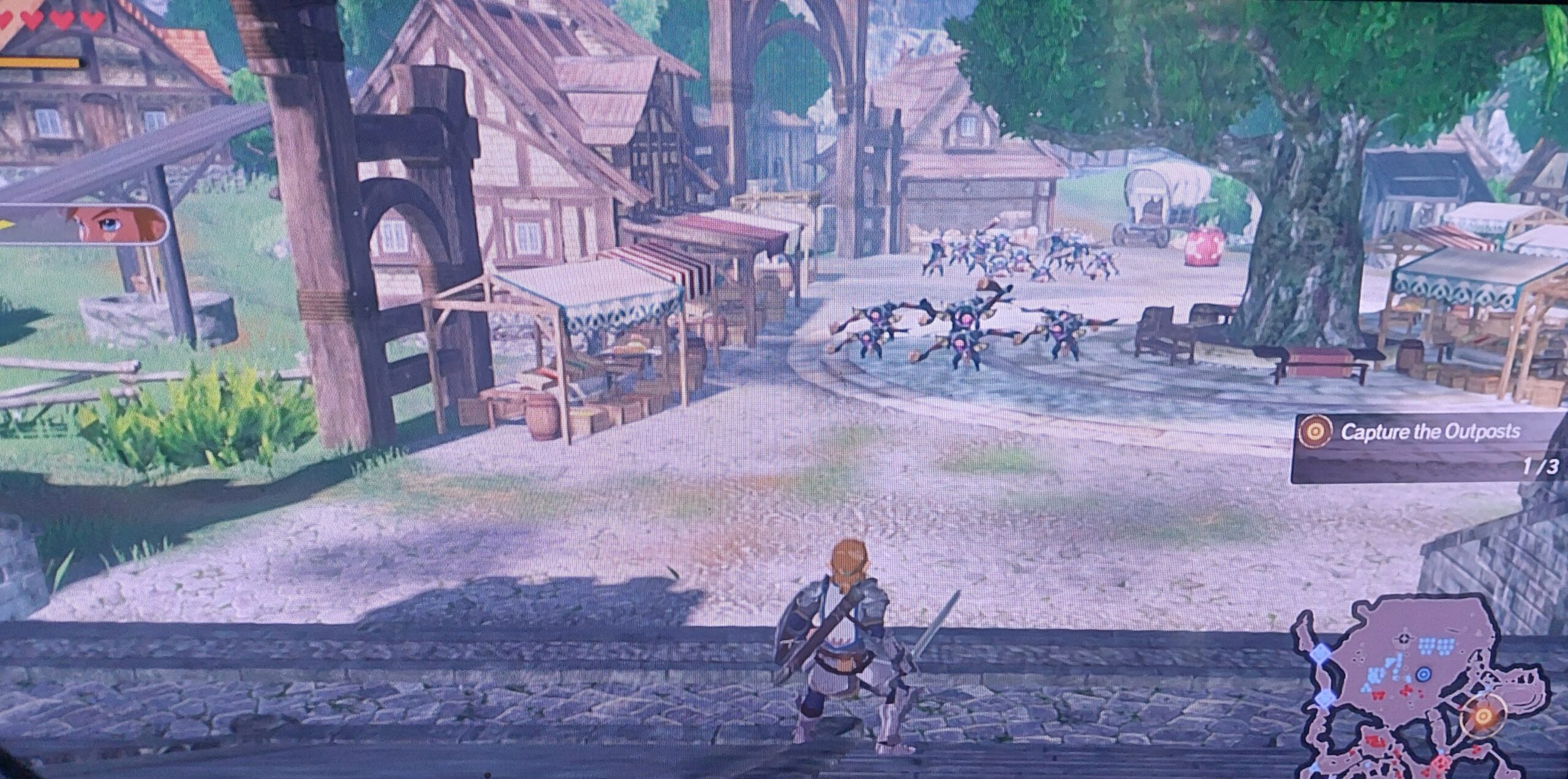
Hyrule Warriors: Age of Calamity isn’t your run-of-the-mill Legend of Zelda game. You’re fighting monsters, but not in the way you might expect. I can personally tell you that this game captures what it means to live and die on the battlefield. Despite the large-scale battles, that doesn’t mean you’ll immediately feel like you’re in over your head.
Sometimes one of the hardest things to navigate in a game of this caliber is knowing where to go next. Yes, the game gives you direction, but make no mistake—it doesn’t hand you everything. You’ll find yourself working to earn every victory. As someone who prides himself on getting the most out of every game I buy, exploration is important. However, that exploration doesn’t always produce the results you expect, and learning how the battlefield works becomes just as important as winning the battle itself.
I’ve always been in the habit of learning as much as I can about every game I play, and Hyrule Warriors: Age of Calamity is no different. It can challenge you in ways you may not expect. Today, I’d like to share a few tips and strategies that have helped me throughout my journey and that I believe can help you as well.
Now, I want it to go on the record that these are my tips and strategies, so take them with a grain of salt. At the same time, know that I’m not here to spoil the adventure for you. My goal is simply to help you enjoy the journey a little more.
With that said, let’s dive in.
Learning More Than With Link –
Link starts at the forefront of the battle, but he doesn’t stay there. As the game progresses, you’ll take control of more than one character, and that’s when you’ll begin learning each Champion’s strengths and weaknesses. For example, Revali is an excellent aerial fighter, but it takes some time before he becomes effective in ground combat.
Stick with him, though, because he improves considerably. Zelda is another good example. While she can handle enemy crowds, she starts out lacking strength and overall combat capability. Once you invest in strengthening her stats, however, she becomes a powerhouse.
Using Link is great, but he isn’t always going to get the job done by himself, especially since you can’t be everywhere at once. One thing I’ve really enjoyed is that, even 28 hours into the game, I know which characters perform best in certain situations.
If I had to pick favorites based on raw power, I’d go with Urbosa first and Impa second. Each of the seven main heroes—Link, Zelda, Impa, and the four Champions—brings a unique fighting style to the battlefield.
Daruk and Urbosa are excellent at handling large enemy crowds and rarely become overwhelmed, especially when dealing with groups of Moblins. Mipha, Zelda, and Revali are better suited for medium-sized encounters.
I generally avoid sending them against larger enemies alone unless Link, Daruk, or Urbosa is nearby to help. As your team fights, everyone gains experience and levels up. I found that keeping everyone’s levels relatively even works much better than having one level 30 character alongside two or three level 9 characters.
I’m telling you this now, and I can’t stress it enough—use every character. Don’t rely only on Link, don’t build your entire strategy around Daruk, and don’t limit yourself to just two or three favorites. That’s one of the quickest ways to make later missions much more difficult. The stronger and more balanced your entire roster becomes, the easier it is to handle tougher enemies and complete rescue missions successfully.
Why Ignoring the Battlefield is Very Bad –
Now, getting out onto the battlefield might seem intimidating, but you have allies out there who can help you just as much as you can help them. From my experience, I have one rule: send your allies off to deal with the other areas of the battlefield.
I say that because, by the time you eventually catch up to them, they’re usually doing just fine holding their own. It’s very easy to let overzealousness overtake you when you’re trying to cover every corner of the battlefield at once, but don’t let it.
Eventually, you’ll make your way to every objective. So, enjoy the environment while cutting down those baddies. The gameplay mechanics are something to appreciate, not something to rush through.
After the story battles, you’ll unlock a variety of side objectives that deserve your attention. These range from combat drills and tests of strength to combo training and even opportunities to earn an extra Heart Container or two. Most of these side objectives are worth completing.
A few aren’t essential, but the game isn’t built around completing every single one—it’s built around your overall progress. One piece of advice I can give you from experience is don’t get into the habit of trying to defeat every enemy on the battlefield.
Focus on the biggest threats first. Wizzrobes, Moblins, and Hinoxes should always be your priority. Take your time. The smaller enemies usually fall with a few weapon swings, but the larger foes demand your attention, patience, and concentration. Don’t go into those battles without them.
Helping your allies not only increases your chances of surviving, but it also makes battles much easier and rewards you with the spoils of war. Your allies aren’t just there to fight alongside you.
In many cases, they can distract powerful enemies, giving you the breathing room needed to regroup and decide on your next move. Don’t forget to switch between characters during battle either.
I found that doing so goes a long way toward keeping everyone alive. More importantly, every character has their own special attacks, and knowing when to use them can completely turn the tide of a difficult battle.efields in this case.
Conclusion –
To wrap things up, while the game is easy enough to pick up and play, don’t button mash. It’s simply not necessary, and you’ll burn yourself out much faster than if you take the time to learn the combat system. As you’re cutting through enemies, learn your party members and your lead character inside and out, especially their special attacks. Link is your all-around fighter,
Urbosa excels against large enemy crowds, Daruk is excellent for dealing with stubborn enemies, and Impa is perfect when you need someone to get in, deal damage quickly, and get back out.
Make sure everyone gets a chance to fight and contribute. No party member is better than the others—they all have their strengths. Link eventually earns the Master Sword, but his greatest strength comes from keeping his health up to maximize his damage output. Revali becomes much more effective in ground combat as you continue improving his stats, and it’s well worth the investment.
Don’t underestimate Mipha either. She may not look like a powerhouse at first, but her trident combos are some of the most damaging and crowd-clearing attacks in the game, second only to Urbosa in my experience.
Bosses and elite enemies don’t have overly complicated attack patterns, but you’ll naturally learn what to do as each battle unfolds. One thing I didn’t mention earlier because it feels almost second nature is this: use your Remote abilities.
They can thin enemy herds quickly and create breathing room when battles become overwhelming. Above all, don’t try to rush through the game. Enjoy the experience, and let the game surprise you.
One of the biggest mistakes you can make is skipping side objectives and focusing only on the main story. Doing so leaves you with seven Champions who simply aren’t as strong as they could be.
Point of Order: Haste Makes Waste
Looking to become a stronger Champion in Hyrule Warriors: Age of Calamity? I put together a collection of accessories, Zelda games, and Nintendo Switch gear on my Benable that can help make your adventure even more enjoyable. Whether you’re just starting out or preparing for your next battle, these are products I’d recommend checking out.
https://benable.com/RoddyMcG/beginner-tips-for-hyrule-warriors-age-of-calamity
Leave a Reply