Author: RodGodGamer

  • Why I’m Not Participating in the PlayStation Blackout!

    Why I’m Not Participating in the PlayStation Blackout!

    Intro –

    For a long while, many gamers have been breathing fire over the elimination of physical discs for new PlayStation games beginning in January 2028. Though many gamers don’t agree with this decision, it has led to protests and, in some cases, some verbally violent reactions. Now, many of these same gamers have begun what’s known as the PlayStation Blackout. In this case, gamers are hoping PlayStation will see their act of defiance and think, “Ah man, they’re serious.” However, I have my own feelings about this—but more on that later.

    See, it’s easy to understand why so many gamers are breathing fire about game ownership and even their concerns about preserving those games to pass on to the next generation. I see it for what it is: the age of the old ways is dying. What a lot of gamers aren’t realizing is that nothing lasts forever. Eventually, things must evolve, take a new direction, or die. I feel like they’re trying to hold onto their dogma much like the Jedi of the Old Republic—and they want to be able to pass that dogma on as well. As for me, I’ve been pro-digital since the PS4 generation, so in a big way, I saw this coming. I’m not standing around breathing fire all over the internet because Sony “took” physical games away without warning.

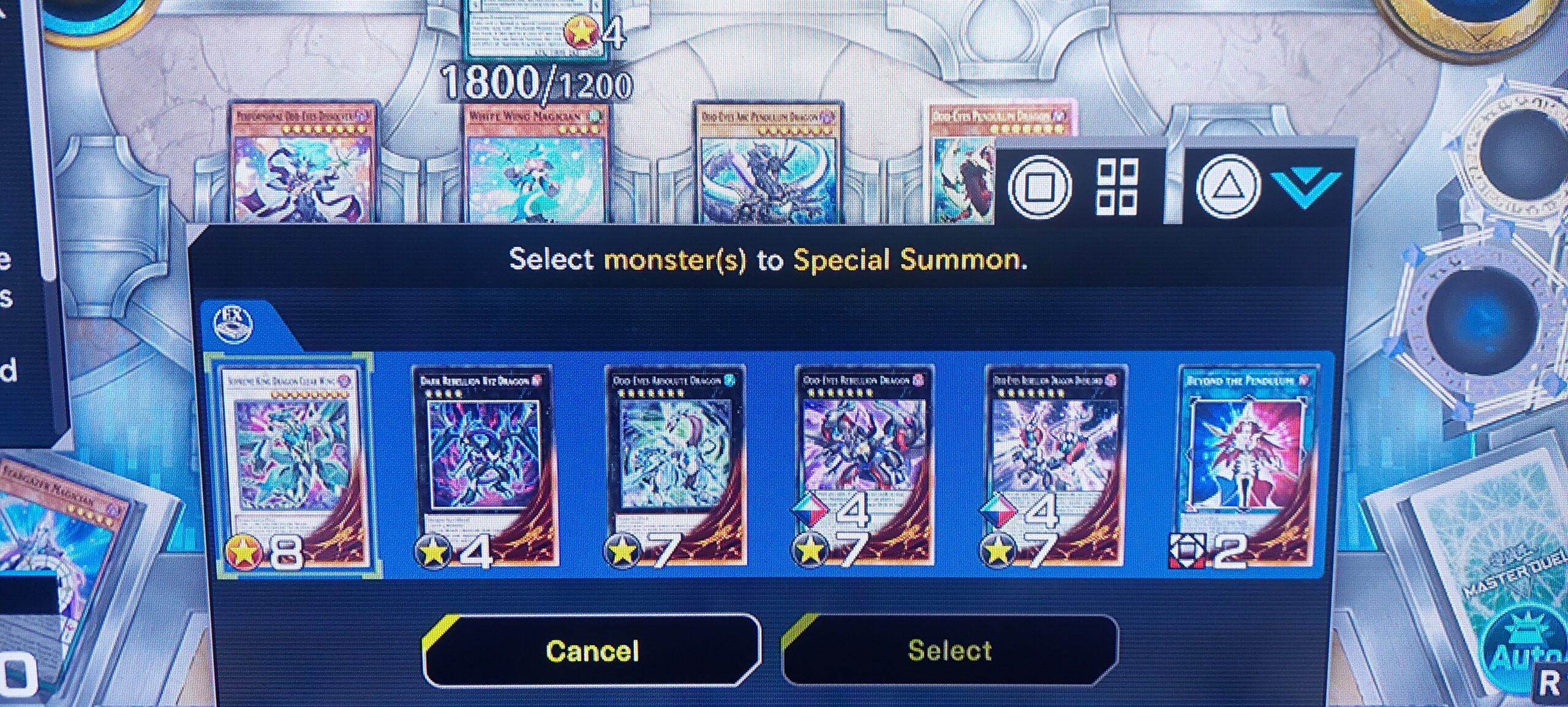
    To put a fine point on this, I wasn’t going to participate in the PlayStation Blackout because I don’t give a shit about stupid idiots who think their whining and crying, along with their refusal to play ball, is suddenly going to make Sony notice their act of rebellion. From the moment I heard this was going down, I laughed, to be quite honest with you. Hell, I was just playing Yu-Gi-Oh! Master Duel on my PS5 last night, not thinking a damn thing about this “blackout.” It’s one of the stupidest things I’ve ever heard.

    I come before you today to make the argument that your playtime is yours. It should be spent playing your games—the ones you have right now—instead of wasting that time on what I see as a moronic, pointless act of rebellion. Sony is a corporation. Don’t assume it’s sitting around emotionally devastated because you didn’t turn on your PS5 this week. The company has made its decision, the money keeps moving, and business keeps moving with it.

    Meanwhile, you’re sitting there refusing to play the games you enjoy.

    So who’s really wasting their time?

    Nothing in Gaming Was Ever Going to Last Forever –

    Now, it’s quite clear that many gamers were born during an age when, if you bought a game, it was yours. Come hell or high water, it was yours to keep, and no gaming company could simply take it away from you. Even today, many gamers remain tied to those ideals, which is why so many of them are raising hell about Sony and hoping everyone who grew up during that age will rally behind them.

    Yeah, right. A bigger waste of time there never was.

    To many gamers, physical games meant ownership, hands down, while digital represents this new age where access can potentially be revoked. And they’re right about one thing: digital doesn’t guarantee permanence. The part they’re missing is that physical media doesn’t guarantee it either.

    I’ve owned plenty of old consoles: SNES, NES, Sega Genesis, PlayStation systems, along with cartridges and discs—and I still have plenty of that stuff today. But over time, hardware ages and eventually stops working. I’m not crying about it because gaming has to evolve and become more accessible. Sure, I don’t play my PS2 much anymore, but whenever I do, I already understand that one day I’m going to put a game disc into that console and it won’t work—or the system simply won’t turn on.

    Nothing is forever.

    Consoles, much like us humans, eventually die. Discs and cartridges deteriorate. Hardware fails. The trick is learning how to—pardon the expression—“go with the flow.” Thanks, Yuma Tsukumo.

    I didn’t worry about this then, and I don’t worry about it now. Realizing that nothing lasts forever in the same form is one of the main reasons I’m not joining this pointless blackout. As long as I can turn on my PS5 and play Yu-Gi-Oh! Master Duel, 007 First Light, Chronicles of the Wolf, or whatever else I want without dealing with account problems or watching my games spontaneously combust on my hard drive, I’m going to play.

    Incidentally, to everybody out there waging this war: let me know how far you get. I’ll be sitting over here playing my games and shaking my head. I don’t personally expect Sony to suddenly reverse a major business decision because a group of players refuses to turn on their PlayStations for a week.

    Sony is a business, and this decision didn’t materialize out of thin air. The company has pointed to the continuing shift toward digital purchases as part of its reasoning. That doesn’t mean you have to like the decision. It doesn’t mean Sony should be immune from criticism, either. But if you think being furious about physical media going away for new PlayStation releases in January 2028 means Sony is obligated to reverse course because you demanded it—boo hoo. Get a life.

    Or better yet, spend the rest of yours trying to play and enjoy what you already have.

    Because whether gaming comes on a cartridge, a disc, a download, or whatever the hell comes next, one thing isn’t changing:

    IT’S STILL GOING TO BE GAMING!

    Let that sink in.

    Sony Is Hurting Gamers Said No Logic Gamer –

    Sony deserves criticism over what, exactly? From where I’m sitting, they’re moving gaming in a direction they believe makes sense. They’re doing their homework and acting on it. So what’s Sony doing that’s so terrible here?

    Not a damn thing, as far as I’m concerned.

    Sony, much like other companies, is evolving alongside gaming, and the numbers reflect why. I don’t see a problem with that. Yet you’ve got a few people acting like Sony is committing one of the most heinous crimes in human history:

    Upgrading.

    And then there’s my favorite one: “They did this without warning!”

    LOL. Stupid ass.

    Think about the executives, shareholders, accountants, analysts, and everybody else involved in making these decisions. Those people are crunching numbers and making decisions based on what those numbers tell them.

    And those numbers aren’t exactly whispering.

    In Sony’s FY2024, 76% of full-game PS4 and PS5 software sales were digital downloads. Then FY2025 came along and the quarterly digital ratios were 83%, 72%, 76%, and 85%, finishing the entire fiscal year at 78% digital.

    So if you’re sitting there wondering why Sony believes digital is the direction to take:

    There’s your fucking answer.

    What are they supposed to do? Look at numbers overwhelmingly pointing toward digital and say, “Nah, let’s ignore that because some people on the internet really like their plastic cases?”

    Or are you going to break into Sony’s office and change the numbers until they say what you want them to say?

    Yeah. Good luck with that.

    And look at the money involved. During FY2024, Sony reported about ¥121.2 billion in physical software revenue within its Game & Network Services segment. Digital software brought in approximately ¥949.8 billion—and that’s before you even get into the roughly ¥1.34 trillion in add-on content.

    I’m no statistician, but even I can look at that scoreboard.

    What I find funny is that many of the people breathing fire about this aren’t realizing that the basic act of playing and enjoying a game isn’t suddenly changing. You buy the game, access it, turn it on, and play. If your games remain accessible and you’re still enjoying them, then from my perspective:

    What exactly are you screaming about?

    Sony doesn’t owe you every single thing you want simply because you bought one of its consoles. You think Sony should reverse a business decision because you personally don’t like it?

    Tough.

    Maybe back when gaming was still establishing itself, consumer behavior like this would’ve produced a different calculation. But today, I have a hard time imagining somebody walking into a corporate meeting and saying, “Forget where the market is heading. Let’s continue producing physical games indefinitely because some people on the internet are pissed off.”

    Seriously?

    You want them making a physical copy of some hypothetical Final Fantasy VII: Dirge of Cerberus Remake in 2028? While you’re at it, ask them to make you a personal flotation device with your name on it that says:

    “There’s an idiotic sack of shit on this!”

    Come on.

    Now, I’m not going to pretend Sony is my friend. It’s a corporation. But I also don’t need Sony to be my friend. What matters to me is whether I can access my account, access my games, buy what interests me, and enjoy PlayStation the way I want to enjoy it. As long as that’s happening, I’m not demanding that everything else be handed to me because recess is ending.

    Children, I swear.

    Playing on my PlayStation consoles isn’t something I need to justify. It’s simply me continuing a life I’ve lived for almost four decades. Gaming is changing—I can see that—but that doesn’t mean I have to let every change affect me negatively just because somebody else decided it should.

    And PlayStation isn’t some tiny operation trying to figure out whether anybody is still interested. Sony reported 124 million monthly active PlayStation Network users as of March 2025. More recently, that number reached 125 million at the end of FY2025, after hitting 133 million during Q3.

    That’s an enormous global gaming ecosystem, not some neighborhood lemonade stand that’s going to collapse because a group of customers stays home for a week.

    If you decide PlayStation’s direction means you no longer want to participate:

    Do your do.

    But I’m not joining you.

    Tonight, I’m going to turn on my PS5 and play Yu-Gi-Oh! Master Duel, just like I did last night, the night before that, and the night before that. Sony is moving its company in the direction it believes makes the most sense for its business. You don’t have to agree with that direction.

    I simply don’t see evolution itself as a crime.

    And if humanity really has reached the point where changing the format our video games come on causes this much outrage…

    This is probably why aliens are laughing at us from space.

    I’m NOT Wasting My Energy On This Bullshit –

    And you know what? Let’s look at this for what it is.

    Do you know what I would accomplish by following you dingalings off this cliff like some lemming with no thought process?

    NOTHING!!!

    I’d turn off my PlayStation, stop playing games I enjoy, avoid spending money on things I might actually want, and then sit there hoping Sony notices what I’ve done. Meanwhile, I’d have sacrificed a week of my own gaming time to participate in somebody else’s protest.

    Yeah, no thanks.

    Tears and whining don’t mean shit to me. Dollar bills do. If enough customers genuinely change their purchasing habits over the long term, that’s something a corporation can measure. But refusing to turn on my PlayStation for a week and hoping that alone forces Sony to reverse its direction?

    Motherfuckers, this PlayStation Blackout is one of the stupidest things I’ve ever heard.

    If I want to get on my PS5 right now and hit the Master Duel circuit, you protesters can be standing right outside the window of my apartment. I’d look at you, grin, let out a snicker, and go right back to what I’m doing.

    Because my playtime belongs to me.

    That’s the point.

    This blackout matters deeply to the people participating in it, and they’re free to make that choice. But don’t mistake your commitment to the cause for an obligation everybody else has to follow you. And don’t turn your beliefs about physical ownership into some kind of purity test determining who is and isn’t gaming the “right” way.

    No.

    Individuality is one of the greatest things about gaming, and it’s that individuality that blows this entire argument wide the fuck open.

    You want physical games? Buy physical games while they’re available.

    You want digital games? Download them.

    You want to participate in the blackout? Turn your PlayStation off.

    You want to spend tonight playing the games you already bought?

    Fire that motherfucker up.

    As I’ve previously mentioned, I made my peace with going all-digital during the PS4 generation. Hell, I was downloading digital versions of PS2 games onto my PS3 before that, and might I add, I can still access those games on my PS3 today. That’s my actual experience with digital gaming—not a hypothetical future I’m terrified of.

    Come on, I was just trying demos for two games I intend to buy. You know what format I’m planning to buy those games in?

    DIGITAL!!!

    What the fuck is that telling you?

    Let me spell it out.

    For however long I continue to live and breathe, I’m going to enjoy my games regardless of the format they’re delivered in. If I encounter an access problem, I’ll deal with the problem when it actually exists and pursue whatever support or solution is available.

    Until then?

    I’m hitting the duel circuit tonight with my perfected Pendulum deck and rocking the fucking Casbah.

    Sony isn’t presently preventing me from enjoying PlayStation. I can still access my games. I can still use my account. I can still buy what interests me. I can still turn on my console and play uninterrupted, just as I’ve been doing since I bought my PS4 and decided that, going forward, my PlayStation collection would be digital.

    So I’m not sacrificing today’s enjoyment because I’m angry about what might happen tomorrow.

    My games work.

    My PlayStation works.

    I’m going to fucking play it.

    Make of that what you will.

    Conclusion –

    To wrap up, for all of you out there participating in this pointless debacle: you do that. The time you waste is your own, after all.

    This bullshit isn’t even worth me turning off my PS5, and I’m not going to. Because everything that’s ever happened with gaming eventually comes back to one word:

    Evolution.

    Be a part of it or don’t. I don’t give a shit.

    But here’s something else to consider while you’re metaphorically huddled around the PlayStation building with your late-20th-century protocol and picket signs:

    Nothing lasts forever.

    Gaming evolves. Technology changes. Formats disappear. Consoles eventually die. Certain aspects of gaming end, just like eventually we do.

    That’s precisely why I’m spending my time playing my games.

    Unless Sony makes decisions that genuinely interfere with my ability to access and enjoy the games I’ve paid for, I’m not going to manufacture outrage simply because the company made a business decision I might not have made myself. Why spend my limited time being angry about a decision that’s Sony’s to make when it isn’t directly preventing me from enjoying PlayStation?

    Corporations aren’t our friends. I’ve already established that. Sony doesn’t need to tuck me into bed at night and tell me everything is going to be okay. What I want from Sony is considerably simpler:

    Give me access to my games. Give me a functioning platform. Keep gaming moving forward.

    If that’s corporate “evil,” then shit, I’ll stay evil.

    As long as gaming continues moving forward and I can access my account and enjoy the games I’ve purchased, I don’t have a reason to give two shits about the PlayStation Blackout.

    You want to participate?

    Participate.

    You want to protest?

    Protest.

    But don’t tell the rest of us that enjoying our PlayStations somehow means we’re doing gaming wrong.

    Seriously, get a fucking life. Go home. Play something. Enjoy what you have while you have it instead of expecting everybody else to spend their limited gaming time participating in your protest.

    Because my PlayStation is sitting right there.

    My games are waiting.

    And I’m going to fucking play them.

    Continue The Adventure –

    Gaming time is yours, so make the most of it. If you’re looking for a few things that can make your setup more comfortable, organized, and ready whenever it’s time to play, I’ve put together a list of gaming essentials I recommend.

    https://benable.com/RoddyMcG/15-gaming-essentials-that-help-me-enjoy-my-games-my-way
  • What Does a Replay Give Me That the First Playthrough Can’t?

    What Does a Replay Give Me That the First Playthrough Can’t?

    Intro –

    Most times, when we gamers play through a game, it resonates with us almost to the point where a replay can fix something or help us see something we refused to see before. If you used a guide on your first run, how can you be sure it told you everything? What might you discover on your own once the guide is no longer telling you what to find or where to go?

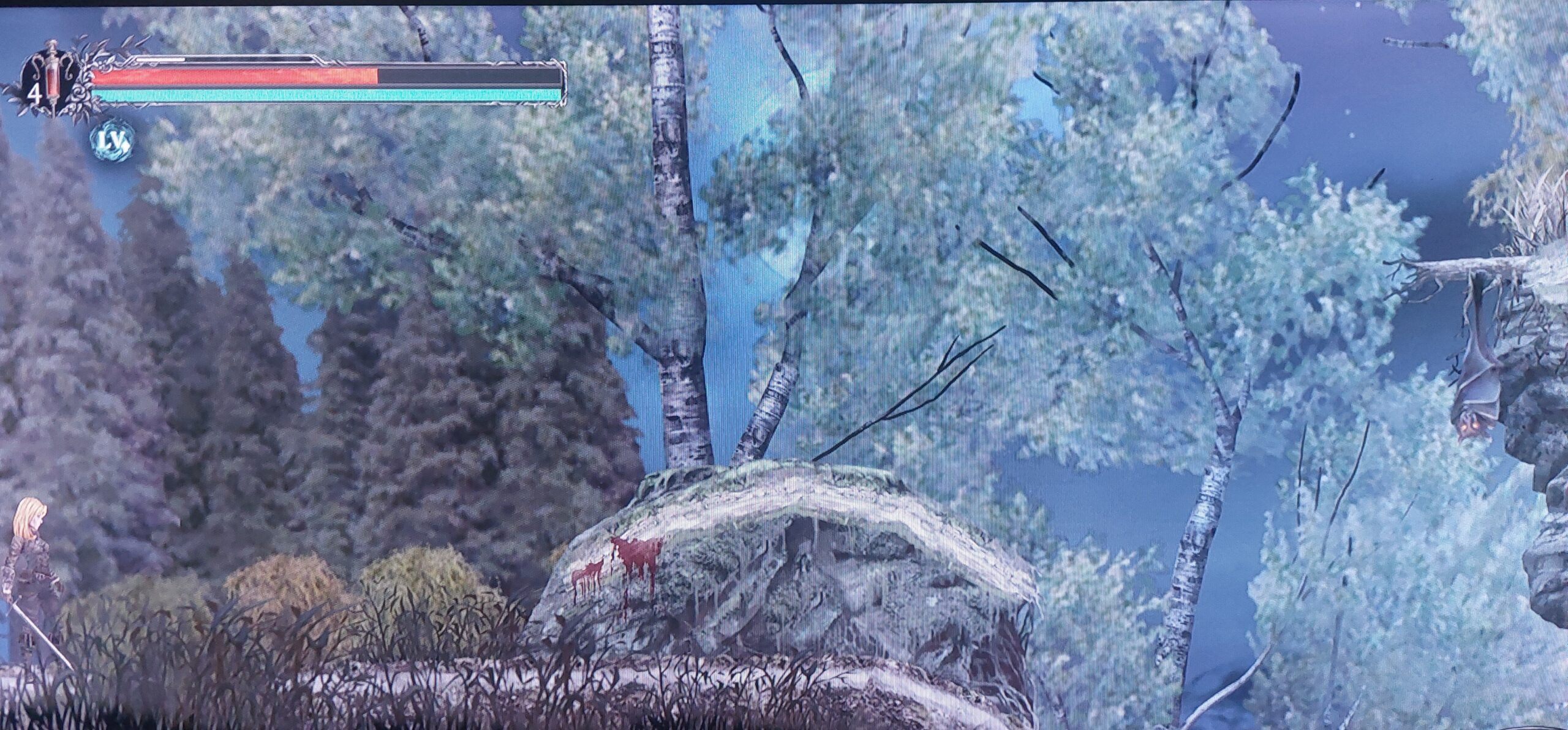
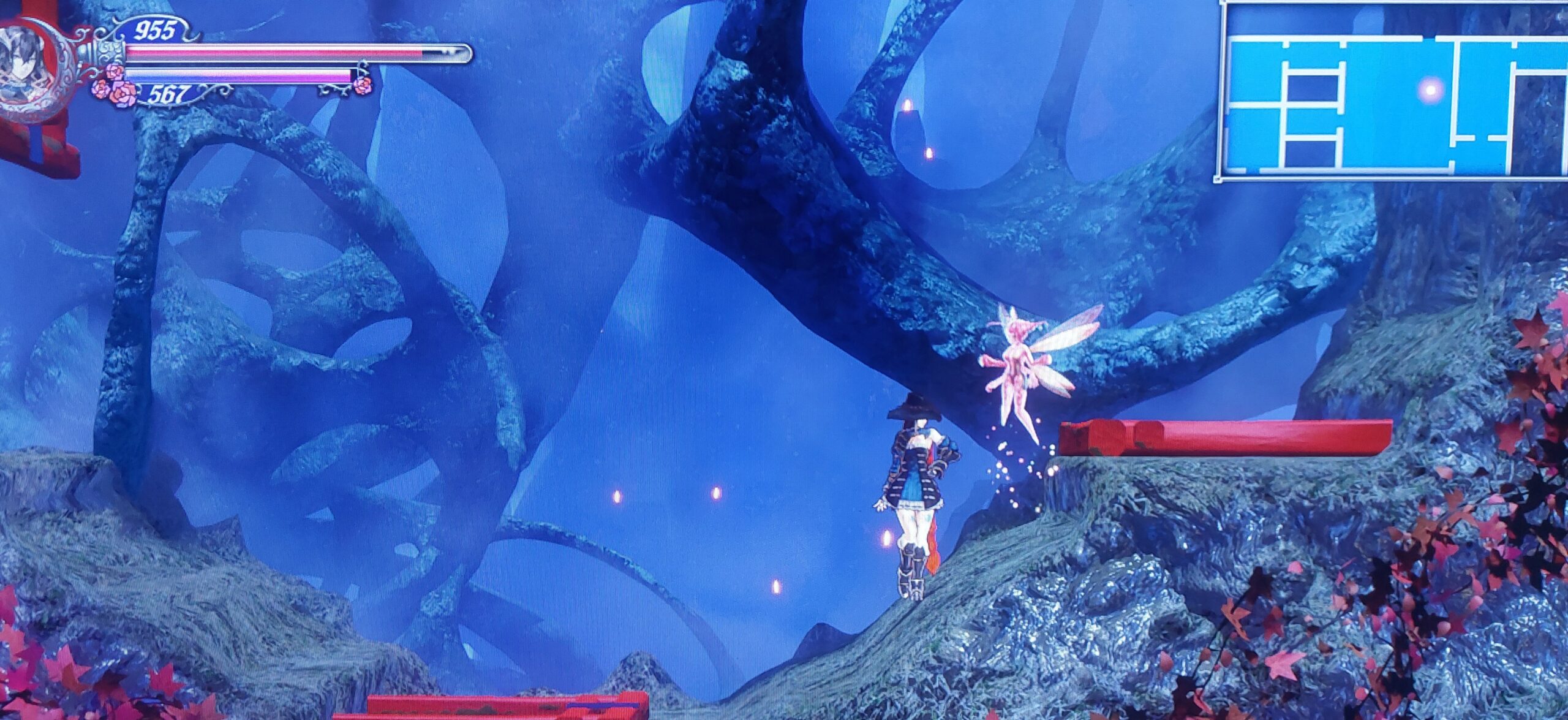
    When choosing to replay a game, it can seem as though you’re merely repeating yourself, but there are different sides to that—more on those later. A replay isn’t simply returning to something unfinished. It’s more like saying, “The guide helped me learn, but doing this myself is where the real fun begins.” When I replayed Bloodstained: Ritual of the Night, it wasn’t to create the ultimate Miriam. I wanted to create my own experience by seeing what I could do differently the second time.

    Sure, much of what I encountered was familiar, but I still made some powerful discoveries. Something as simple as taking the time to find my own way across the vast lava pool in Inferno Cave felt different from rushing through it the first time.

    My argument today is simple: a replay isn’t about redoing everything exactly as before; it is a second look and an opportunity to do something differently. Far from being a waste of time, it allows you to smooth out the rough edges of your original playthrough, as it were.

    That said, come with me.

    First Playthrough, Learning is the Goal –

    Make no mistake: your first playthrough will always revolve around one major goal—milking the game for everything it is worth by learning everything you can. There is nothing wrong with giving that initial playthrough your undivided attention, but there will always be something you want to experiment with later. For example, receiving a random ability or weapon during your first run might make you wonder what the next playthrough would feel like without relying on those same items.

    When I first played Bloodstained: Ritual of the Night, I acquired many different powers without stopping to consider how much luck influenced what I received. During my replay, I obtained a few of those same powers, but I also discovered many more because I wasn’t focused on recreating my original experience. Learning a game for the first time can sometimes make you negligent of things sitting in plain sight.

    I remember playing Ben 10 Alien Force: Vilgax Attacks. On Encephalonus IV—Brainstorm’s homeworld—there were two Plumber Badges I completely missed. The first was inside the cube room with the lasers. You had to guide the lasers with the cube to open the exit, but before doing that, you could redirect the laser toward a door in the back. The second badge rested on a ledge that required Spidermonkey to reach it. I missed both during my first playthrough, but I was much more observant when I returned.

    Being unfamiliar with a level doesn’t mean it deserves less of your attention. If anything, it deserves more. There will always be uncertainty about getting through an unfamiliar area, but slowing down can reveal hidden paths and items before you move forward.

    From my experience, games reward observation and patience while punishing unnecessary haste. A replay gives you another opportunity to provide the attention you couldn’t always spare while learning everything else. Ultimately, you only get as much out of that replay as you are willing to put into it.

    Knowledge Changes How I Play –

    Experimentation is one of the best ways to prepare for anything a replay might throw at you. When I replayed Resident Evil 4 Remake, I initially used my sniper rifle against the Regeneradors because I thought it was the easiest way to eliminate them.

    Later, I attached the Biosensor Scope to the LE 5 and wondered what would happen. I struck gold. I watched the experiment work and no longer had to wait around or risk taking damage from those regenerative bullies. Experimenting and gathering the right equipment gave me a safer option.

    It also prevented me from burning through my entire supply of healing items while gunning down those regenerative annoyances. Replaying different encounters makes the knowledge you’ve accumulated count for much more. It isn’t enough to know one way to kill something.

    You must also be willing to test other weapons and strategies that might handle the situation more effectively. The control comes from understanding your previous mistakes and refusing to repeat them.

    As I said, I don’t want to become dependent on one specific method of killing enemies. I change my strategies almost immediately. Whenever I play or replay a Resident Evil game, I switch weapons every five to seven kills—and sometimes every two or three.

    A replay gives you the control to determine what works and what doesn’t. Knowing how to kill an enemy doesn’t necessarily mean you’re using the most effective method.

    For example, in Resident Evil Village, I once relied on the Magnum against almost every tough enemy. After strengthening my other weapons, however, I began saving the Magnum for bosses such as Urias—who, might I add, went down after five shots to the head.

    The difference between familiarity and mastery follows one rule: one size does not always fit all. Familiarity means knowing a strategy that works. Mastery means recognizing when another strategy works better.

    Replay vs. Self Imposed Rules –

    I created many self-imposed rules over the years. I saved my hardest-hitting weapons for last. Rocket Launchers were strictly “in case of emergency” weapons. Every Grenade Launcher shot had to land because wasting even one felt like a crime against the game. I did this back when I played Max Payne heavily, always saving the Jackhammer and Grenade Launcher for emergencies.

    When I chose to replay those games, I decided to stop allowing those self-imposed rules to wreck my gameplay. Nothing lasts forever, yet there I was trying to preserve my most powerful weapons until the very end.

    Ratchet & Clank is another example. I tried using every weapon in situations that didn’t call for it because I wanted to maximize everything. I used weapons against the wrong enemies, created unnecessary frustration, and sent the excitement of the replay straight down the toilet. Eventually, I started reading the battlefield and using whichever weapon the situation called for. I stopped overthinking how to maximize everything and allowed the replay to handle that progression naturally.

    Using a weapon suited to the situation is better because most weapons have particular enemies they were designed to handle. Rocket Launchers, for example, are best suited for large enemies and bosses. In the PS4 remake of Ratchet & Clank, I bought the Warmonger on Batalia, but I didn’t waste it on regular enemies I could have killed a hundred other ways.

    During that replay, I wanted to become better at reading what was directly in front of me. The experience gave me a new perspective on using my time to learn instead of falling back on old habits.

    That is when I realized that letting go of self-imposed rules is what can give a replay its real value. It isn’t always about finding something you missed or noticing some invisible ledge sitting out of sight. Sometimes, changing the rules you carried into the game is the discovery that matters most.

    Conclusion –

    To wrap things up, replays allow you to focus on enjoyment when you take the time to draw outside the lines. In other words, stop conducting the replay exactly like the initial playthrough. It isn’t about reaching the finish again; it is about approaching the journey from your own perspective instead of following the path the game originally placed before you. Strategies, routes, and gameplay challenges become experiments rather than straight-line objectives, and that can give a replay its real value.

    There may be times when you like every power you receive except the one you actually wanted. Grinding is always an option, but for me, that can cheapen the replay by turning experimentation back into obligation. As I’ve said from experience, the value comes from what **you are—YOU ARE—**doing differently, not what you were instructed to do.

    Whether returning changes your opinion of the game is entirely up to you. However, you shouldn’t expect the game itself to give you more than it provided during the original playthrough. A replay gives you perspective. It gives you room to make mistakes, conduct experiments, and make the experience your own. No video or guide can create that perspective for you; it comes from returning and making those decisions yourself.

    Replay equals your game, your way.

    A replay becomes more enjoyable when you have the freedom and equipment to approach it on your own terms. If you’re preparing to revisit an old favorite, I’ve assembled a list of gaming essentials that can make the experience more comfortable, organized, and enjoyable.

    Continue the adventure with my Benable list: Gaming Gear That Makes Every Replay Better.

    https://benable.com/RoddyMcG/3a78cf2fb29aae354484

  • When Is It Time to Stop Chasing 100% Completion?

    When Is It Time to Stop Chasing 100% Completion?

    100% completion can mean different things to different gamers. For me, full completion is defined as a lot of the same things, but there are differences there—more on that later. Chasing 100% is something that many of us gamers strive to do in accordance with the logic, “We bought it, we may as well.”

    But the truth is far less defined. Over the course of many years, beating a game has somewhat become a different aspect entirely. For example, if I get to the end of the game, great—which I inevitably will.

    Now, if I get to the end of the game with all of the powers gained, all armor sets, and even the DLC weapons, then I’ve BEATEN the game. When there’s nothing else, that’s when it can feel like you’ve milked the game for all it’s worth.

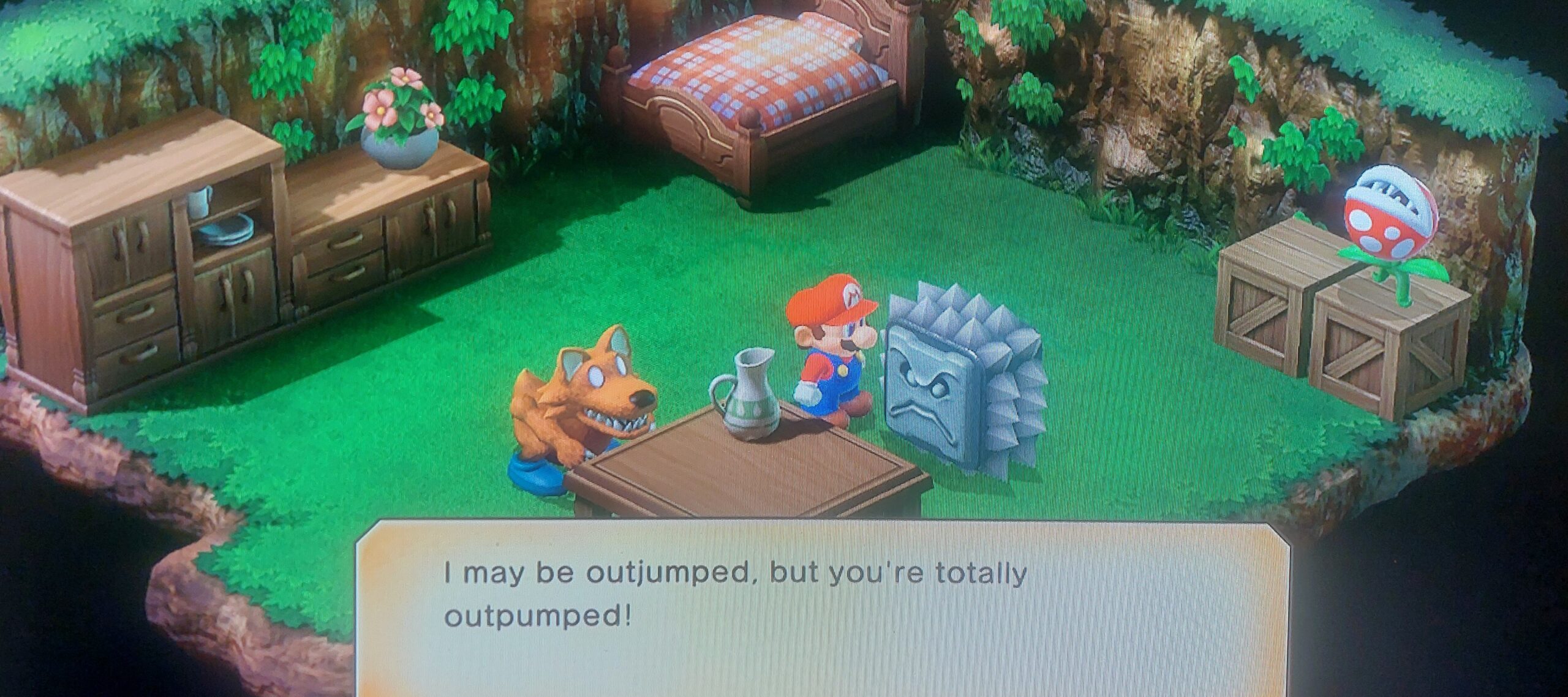
    This can be seen from the perspective of a gamer who finishes the main objective but has unfinished content. It’s a double-edged sword: you can feel like you’re done, but you’re not. I remember this from when I played Super Mario RPG Remake. Yeah, I got far enough in the game, but I didn’t have that Super Jacket, a side-quest item.

    I got to a point where I had to decide whether that all-invincible item was worth milking the game for 100%. It wasn’t. Trophies are another example of this.

    They can somewhat extend a game’s value, but that doesn’t necessarily mean the game itself is going to be worth continuing. I remember when I was playing God of War Ragnarök. For me, I got the full everything out of that game because, just like I did with Ratchet & Clank: Rift Apart, I was getting 100% without knowing it—trophies and all—so I pushed further and Platinumed both games.

    I come before you today to make it known why I stopped chasing 100% and just started enjoying games that demanded it, and why you can still leave a game with 25%, 50%, or even 80% completion without feeling as if another 30 hours will make a difference.

    It won’t.

    Chasing the Big 1-0-0, Why At All?

    A game can give you all of the entertainment value that you paid for; it’s an obligatory duty of sorts. However, there are moments when clearing a game means making the choice to invest additional hours just to see or obtain something. The Legend of Zelda: Breath of the Wild is a fine example of this.

    After beating the game, you might feel drawn toward the DLC, but that doesn’t mean those remaining 16 shrines are worth doing—they’re not. Investing the time to explore is a personal preference, but doing it just because you want to see what’s on the other side? Not recommended.

    Now, when you’re gunning for a Platinum trophy or even a superboss, for that matter, it can be seen as part of the experience when you manage to make it a natural part of the game.

    For example, when I used to play the original Final Fantasy VII, you had the three Weapons. On paper, going after them after Sephiroth is dead might seem like one additional task. But doing it during the game, or even before entering the Northern Crater, means you’re covering another base of sorts. It might be worth pursuing because it’s already along the path you’re taking.

    I mean, 100% mastery or completion is different for every gamer. For me, 100% isn’t marked by, “Well, you beat the boss and got every character in Final Fantasy VI, so you’ve completely 100%’ed the game.”

    For me, 100% completion can lie in getting to the end of that game, beating the boss, and then putting the game down. It can be said that the desire to see everything in a game can strengthen your appreciation for it, but there’s also a double-edged-sword effect:

    It might also make you yearn even more for the game to end.

    Completionism Is Working For It –

    Moments in most games can turn completionism into a cult activity. Final Fantasy VI is a prime example of this. You can go from, “I’m getting everyone in the game I can get,” to “I’m getting everyone, and I’m getting their powers to boot”—i.e., special abilities and magic that can make them more worthwhile to use.

    For many, this is doable. But the moment can spiral out of control quickly when you’re sitting there at 1 a.m., chanting, “Just this last power. I will have it.” At that point, you’re more consigned to using the person you put all that work into over everyone else whose power now pales in comparison. Not fun. I’ve done it. Never again.

    And to put a fine point on this, completion is controlling you because you’re no longer thinking in terms of, “Meh, this one is just okay. If I get it, great. If I don’t, moving on.”

    You’re thinking, “I can’t move on from the Flame Dragon’s Hideout until I get the form of that bull creature.” You get that bull creature’s form, then what? You may not even need that creature’s form for a long time, if at all.

    Point of order: Don’t delegate, relegate.

    I mean, think about this: if the only reason you’re chasing that 100% is for the Platinum, it might not be worth it, and here’s one reason why.

    Your initial job is to play through the game. Get through it, but get to know it; there’s no pressure to get 100% on your first run. Ghosts ‘n Goblins Resurrection is a fine example of this.

    I spent more than three-quarters of my first run trying to get the Armormend ability. But by the time I got to Lucifer’s Domain, I no longer felt like it was necessary. The hard parts that I needed the ability for were behind me.

    If you decide to pursue the Platinum on your second run, that’s legit. I plan to do this when I replay God of War on PS4. My biggest concern would’ve been the Valkyries, but I killed them on my first run, so I don’t need to worry about doing that for the Platinum on my second.

    Interestingly enough, on my first run of God of War, I did get to a point where I was like, “Valkyries beaten, but maybe I can milk this further by getting those Mist Echoes out of Niflheim or whatever.” Truthfully, I didn’t want to. I could’ve done it, but I wanted the game to end after I beat Baldur.

    It did.

    There was no reason to worry about what I left behind.

    Remaining Percentage, Worth a Little or None At All –

    I’ve played games where those additional percentage points can oftentimes blur the line between accepting what you’re given and questioning what the game should be giving you. Another example comes from Breath of the Wild: the Trial of the Sword.

    Now, you can beat the game without completing the trials, but since completing them doubles the Master Sword’s normal attack power, the tradeoff is worth it as hell. But revisiting those remaining 16 shrines, or doing the Champion’s Ballad?

    That’s not. Besides, if you’ve played Hyrule Warriors: Age of Calamity, it makes the Champion’s Ballad DLC obsolete for me, if I’m being honest. That’s why I won’t do or get the DLC. Why? I beat the game already.

    That’s not to say, though, that completing optional content isn’t worth it. For me, it’s worth pursuing if it can help me one- or two-shot enemies and bosses, or deal lethal amounts of damage like the Alpha Disruptor in the Ratchet & Clank Future games.

    Sure, those same hours could go toward another game, but if you have a shot at getting something that can make those last several levels cake, do it. Nothing says you shouldn’t.

    But make sure it’s worth it to you.

    I’ve run across situations in games where a superboss could appear right in front of me while I’ve left collectibles behind in the dungeon. My Final Fantasy I Pixel Remaster run illustrated this when I was gunning for Warmech. I didn’t find him, but I was also okay with not getting everything in the dungeon.

    Even though I was on the last level, those collectibles weren’t important enough that I was going to need them if Warmech did find me—which it also didn’t.

    Revisiting the Super Suit example from my first Super Mario RPG Remake run, by the time I got to Monstro Town, I assumed I’d earned that item. I felt pretty confident that it was in the bag. After being told I’d only jumped 39 times, I was like, “Nope. Not grinding this. Fuck that!”

    Not because I couldn’t do it like I did nearly 30 years ago, but because I wasn’t interested in depending on that item to carry me. I wanted to see what I could accomplish without it—and quite a lot, too.

    That suit stopped being relevant.

    Conclusion –

    To wrap up, in the interest of the “Quad Squad,” the gamer always gets the last say. Sure, pimping out Strago with every enemy ability might seem ideal, but three-quarters of those abilities will probably never see daylight. The trophy might, but even that’ll lose its luster.

    Don’t chase gold in a coal mine.

    Leaving content unfinished is a personal choice, but getting everything—or trying to—on the first run can make the game more enjoyable, as long as you know where to draw the line. Milking a game for everything it’s worth is definitely a worthwhile endeavor because you paid the cost, so be the boss.

    But don’t feel pressured to do everything you come across. Jinx in Super Mario RPG Remake is a shining example that gamers can walk away from a superboss without having to scratch that itch. Sometimes, leaving something unbeaten is perfectly fine.

    A missing percentage can still mean something. If there’s a single item that’ll give you that last 5%, go for it. But if you’re too far gone —or too far ahead—in the game and that item is only a small speck in the larger weapon pool that is your arsenal, leave it. It wouldn’t make any more of a difference than it otherwise would if you had gotten it.

    Point of Order: Know Where To Draw The Line.

    Continue the Adventure — Website Bridge

    Continue the Adventure

    How much of a game do you really need to complete before you’ve gotten your money’s worth? From optional superbosses and ultimate weapons to trophies, collectibles, and challenges that can consume hours of your time, sometimes that remaining percentage is worth pursuing—and sometimes it isn’t.

    I’ve put together a companion list on Benable featuring games that perfectly illustrate the difference between worthwhile optional content and completion for completion’s sake.

    Check out “Worth the Grind? Games That Make 100% Completion Your Choice” on Benable to see which games made the list and why.

    Because sometimes 100% is worth every minute.

    And sometimes?

    Don’t chase gold in a coal mine.

    https://benable.com/RoddyMcG/worth-the-grind-games-that-make-100-completion-your-choice

  • Why Every Game Doesn’t Deserve a Second Playthrough.

    Why Every Game Doesn’t Deserve a Second Playthrough.

    Intro –

    Replaying video games, according to us gamers, can be wildly intoxicating and eye-opening. Replaying a game can mean that it holds a special place in the gamer’s heart. For others, a replay might be necessary to discover something as simple as whether the same strategies still hold up. For me, if I’m going to replay a game, it’s usually a combination of both.

    When I used to replay Chrono Trigger after beating it for the first time, I didn’t just return to it because the game held a special place in my heart. I replayed it because I always felt like there was something else to learn. When you love a game, you can give it your undivided attention from start to finish.

    But loving a game doesn’t necessarily mean immediately starting it all over again. Sometimes you finish something you love and deliberately put some distance between yourself and the experience before returning to it.

    I remember plenty of games I’ve finished that left me completely satisfied, but if I was ever going to do another run, it was going to be somewhere in the distant future. For me, that decision can depend heavily on the game’s length and how much recovery time I need after finishing it.

    Sometimes a game gives me everything I wanted, and even if I loved the experience, I’m simply not ready—or interested enough—to immediately do it all again.

    Completing a game once is often enough to prevent yourself from getting overly burned out, especially when you’re dealing with something as massive as Elden Ring or an RPG like Skyrim.

    That’s why I come before you today to make the argument that not every game deserves a second playthrough. Sometimes it’s enough to experience a game once, appreciate everything it gave you and simply be done with it.

    Replay’s Return on Time Investment –

    The first playthrough is usually an “I’m on a mission” experience, whereas the second playthrough can become more about cleanup and experimentation. If I’m going to invest another 40–45 hours into a game, I better get something out of that replay. Give me a treasure map leading to a hidden weapon cache, access to another difficulty, a new ability or something else that allows me to keep playing while wielding power I might’ve used sparingly—or desperately needed—during the first run.

    I also love the idea of testing new strategies or deliberately going after things I missed the first time. For example, if I come up with a new strategy involving the shrines in The Legend of Zelda: Breath of the Wild that I’m dying to try, that gives me a reason to take the game through the rinse cycle again, so to speak. I’m no longer simply repeating the same adventure. I’m going back because I have an experiment waiting for me.

    I’ve found that replaying a game your way, or discovering your own path through it, can make you appreciate the experience even more because there’s rarely only one way to play. Whenever I replay Super Mario Bros. 3, for example, I’ll sometimes tackle certain stages in my preferred order. When I’m in Pipe Land, I always play 7-5 and then 7-4. In Ninja Gaiden Sigma 2, I might replay the game specifically to experiment with what else my weapons can do, such as using the Howling Cannon against the searchlights in South America during Chapter 12. It goes back to something I’ve always believed about games: there’s usually something else to learn.

    But there’s a double-edged sword to that logic. A second playthrough doesn’t automatically become worthwhile just because the game gives me a new ability, super weapon or New Game+ reward. Those rewards can have limitations of their own, and sometimes the novelty wears off quickly. Yeah, infinite ammunition for a Grenade Launcher sounds fantastic—but if I’m one-shotting practically everything in sight, that’s eventually going to get old.

    Ghosts ‘n Goblins Resurrection gives me another example with the Armormend ability. Something like that can provide an incentive to continue playing, but by the time I’m pursuing or using a reward during another playthrough, I still have to ask whether that reward meaningfully changes the experience enough to justify everything required to get it. If the replay itself has become more demanding while the reward isn’t fundamentally changing what I’m getting out of the game, the incentive starts losing its luster.

    That’s ultimately what I need from a second playthrough. Don’t just give me something new.

    Give me something that makes playing again feel new.

    Love It Then Leave It Alone –

    Now, I’ve played and beaten over a thousand games throughout my lifetime, and I’ve usually known which games I would replay and which ones I wouldn’t.

    For me, I normally made it a rule that once I played through a game, it was done and I moved on. However, there are certain games that have such a powerful hold on me that I’ll throw that rule completely out the window. That doesn’t happen often, though.

    I don’t really consider a game’s ending a reason for me to go back for another playthrough. That motivation lies with me alone. One thing I’ve noticed over the years is that becoming too familiar with a game—reaching the point where there aren’t any surprises left—can turn enjoyment into monotony pretty fast.

    I experienced that when I was playing through many of my PS2 games back in the day. Eventually, as much as I hated admitting it to myself, I realized it was time to move on. By then, I felt ready for the PS3 and whatever came afterward.

    The replay experience itself isn’t inherently good or bad; a lot of that comes down to the gamer’s interpretation. Sometimes a game gives you so much, takes just as much from you, and then practically leaves you with a “congratulations on barely crawling away.” Ghosts ‘n Goblins Resurrection is a prime example for me.

    That game tested my patience and practically every genuine piece of time I gave it. That doesn’t mean the game was bad. It means that after everything the experience demanded from me, I didn’t need to immediately experience it again.

    Everything I got out of that playthrough was enough to sustain me for years to come. Maybe I’ll eventually return to it, but there’s no urgency because I already got what I needed the first time.

    And that’s something I’ve learned to respect.

    Sometimes being satisfied with a game is the very reason I can leave it alone.

    My Time vs. The Replay Counter –

    Over the years—and even in the present day—I’ve accumulated a lot of games, and that’s not changing anytime soon. But if I had to make a distinction between new games, old games and games I’ve deliberately put on the backburner, I’d look at them differently.

    New games bring excitement. Something like Dragon Quest III HD-2D Remake gives me an opportunity to try an experiment I’ve already been thinking about: taking the Hero through the adventure alone.

    Old games can bring nostalgia, but they also give me opportunities to revisit strategies I’ve learned over the years—something as simple as using the Rocket Launcher against the circle of cultists in Salazar Castle in Resident Evil 4.

    Then there are backburner games: games I haven’t necessarily abandoned, but ones that started doing too much and made me decide I needed a break.

    Something like the stage length in New Super Mario Bros. U Deluxe can make me stop and ask myself whether I actually want to finish the game right now or come back when I’m ready.

    At that point, I’m weighing the opportunity to learn something new against analyzing strategies I’ve already perfected a million times. Naturally, my ongoing goal of being—and staying—good at games requires me to continue learning everything I can, especially when I can eventually pass that knowledge down to somebody who needs it.

    As far as nostalgia goes, that matters most when I believe there’s still room for me to become better at a particular game rather than simply treating that game like a leper in a colony. Looking back at my Ninja Gaiden Sigma days, I was okay at the game—but I wanted to be better.

    Sure, I could’ve spent that time playing something new, like one of the Atelier Ryza games. Instead, I wanted to become as good as I possibly could at Ninja Gaiden Sigma, so I replayed it several times. Eventually, I achieved that goal. I didn’t keep returning simply because the game made me nostalgic.

    I returned because I had a purpose.

    There needs to be an equivalent exchange if I’m going to replay a game of my choosing. If I replay Wild Arms 5, there needs to be something left for me to learn beyond what I already know.

    Maybe that means finding a better approach to preparing my characters for Ragu O’ Ragula instead of stripping them of their badges and levels just to get them ready.

    The same applies to something like earning the Platinum trophy in God of War on PS4. During my first run, I already defeated the Valkyries.

    If I replay the game specifically for the Platinum, fighting them again becomes optional rather than part of the objective I’m pursuing. I need to know what I’m getting out of another playthrough before I invest myself in it.

    When the choice comes down to revisiting an old game or playing something new, though, I’ve learned to listen to my instincts. If I’m thinking about a particular game for longer than ten minutes—or even an hour—and I can’t focus on what I’m currently playing because something else keeps beckoning me, I make it a point to answer that call.

    I’ve spent enough time ignoring what I genuinely wanted to play.

    Ignoring that call isn’t an option anymore, and I no longer make it one.

    Conclusion –

    To wrap up, a game ultimately becomes worth replaying when I know I can take something meaningful from another experience with it. Going back to my Wild Arms 5 example, maybe that means finding a way to prepare for Ragu O’ Ragla without sacrificing levels or stripping my characters of their gear.

    With Ninja Gaiden Sigma, I had another motivation entirely. It was one of the hardest games I’d play on PS3, and I didn’t want to merely be decent at it.

    I wanted to be great at it.

    I had a goal.

    At the same time, I’ve learned that forcing myself to replay a game simply because I feel like I have to isn’t going to change how I feel about it. It won’t magically make me ready to return, nor will it change when I believe it’s time to play through that game again. Play through a game because you value the experience, not because the second experience has to overshadow the first.

    Ironically, sometimes loving a game and then leaving it alone can be more than enough to capitalize on everything you got from that original experience.

    For me, constantly replaying the same game can eventually cheapen what made that experience special, along with the time I originally invested in it. Sometimes you have to know where to draw the line.

    And if you eventually decide that a game deserves another playthrough simply because you want to experience another side of all that hard work—maybe that’s experimenting with a different strategy, pursuing something you missed or getting access to a special New Game+ reward in something like Star Wars Jedi: Survivor—that’s cool too.

    Just make sure you actually want to commit that time again.

    Remember what you invested in the first run. Remember what you got out of it. Then ask yourself what another playthrough is going to give you that makes returning worthwhile.

    Because a great game doesn’t automatically deserve another playthrough.

    Sometimes the greatest compliment you can give a game is knowing it gave you everything you needed the first time.

    Continue the Adventure –

    Gaming doesn’t end when the credits roll.

    Sometimes a game earns another playthrough. Sometimes it becomes something you remember fondly and leave alone. And sometimes the experience sticks with you enough that you want a little piece of that world sitting on your shelf, hanging on your wall or even riding around on your head.

    But whether I’m investing another 40 hours into a game or spending money on something representing it, I want that investment to mean something.

    That’s why I put together my Benable list:

    https://benable.com/RoddyMcG/15-gamer-essentials-worth-adding-to-your-gaming-life

  • What I Did Before My Final Bout With Calamity Ganon—and What It Taught Me.

    What I Did Before My Final Bout With Calamity Ganon—and What It Taught Me.

    Intro –

    Playing a game means beating it, but sometimes beating the game isn’t always the hardest part. Sometimes, it’s the preparation that takes the longest. For me, my years of gaming experience have usually been enough to get me through some of the toughest challenges I’ve encountered.

    So, as I got closer to Calamity Ganon in Hyrule Warriors: Age of Calamity, I didn’t take enough time to concern myself with reserves or replenishing everything I had grown dependent on throughout the game. I assumed what I already had was going to be enough, even as I started noticing how depleted Link was becoming after the battles leading toward the final confrontation.

    Link had the Master Sword, and because I wielded it throughout the game and watched it deal excellent damage against many of the enemies around Hyrule Castle, I kept pushing him. I figured Link and I could handle whatever the game put in front of us.

    However, as the battles continued, I started noticing just how little health Link had left, especially after his battle with Astor. My resources were becoming depleted, but I still convinced myself that Calamity Ganon was practically going to hand me the win because I had the Master Sword. Surely everything else wasn’t that important, right?

    That’s where experience can become a double-edged sword. Years of gaming can teach you how to prepare for difficult battles, but those same years can also make you confident enough to believe you’ll figure everything out when the time comes.

    I had one of Link’s greatest weapons in my hands, and I allowed that advantage to convince me that preparation wasn’t nearly as important as it actually was.

    But I’m here to tell you from experience: you do not go into Hyrule Castle half-cocked. Calamity Ganon can—and will—humble you if you do. And before I could properly deal with him, I had to realize that the battle wasn’t simply about what Link could do once Ganon appeared. It was about what I was doing before Link ever reached him.

    That said, let’s get started.

    Running Link Ragged Isn’t An Option, Don’t Make it One –

    As I previously mentioned, Link had the Master Sword, and it was dealing significant damage to practically everything the blade touched. Link was also doing pretty well in the defense department, so initially I wasn’t worried about a few nicks and scrapes.

    To put a finer point on it, every time I saw the Master Sword react to a boss corrupted by Malice or one of the Blights, I made that enemy Link’s responsibility.

    At the time, it seemed like a sound strategy. Why wouldn’t I use the character carrying the weapon that was clearly doing the job? Eventually, though, I realized that Link was being worn thin. As those battles accumulated, his chances of surviving started dropping rapidly.

    Before long, I had to make a choice—one I didn’t want to make but knew I had to. Link had started with 18 hearts, but by this point he barely had five full hearts remaining.

    After my battle with Thunderblight Ganon, I went on to face Astor and pushed Link to finish that battle as well. He did, but it came at a grave cost. I was preserving my preferred strategy while steadily sacrificing the character I needed most.

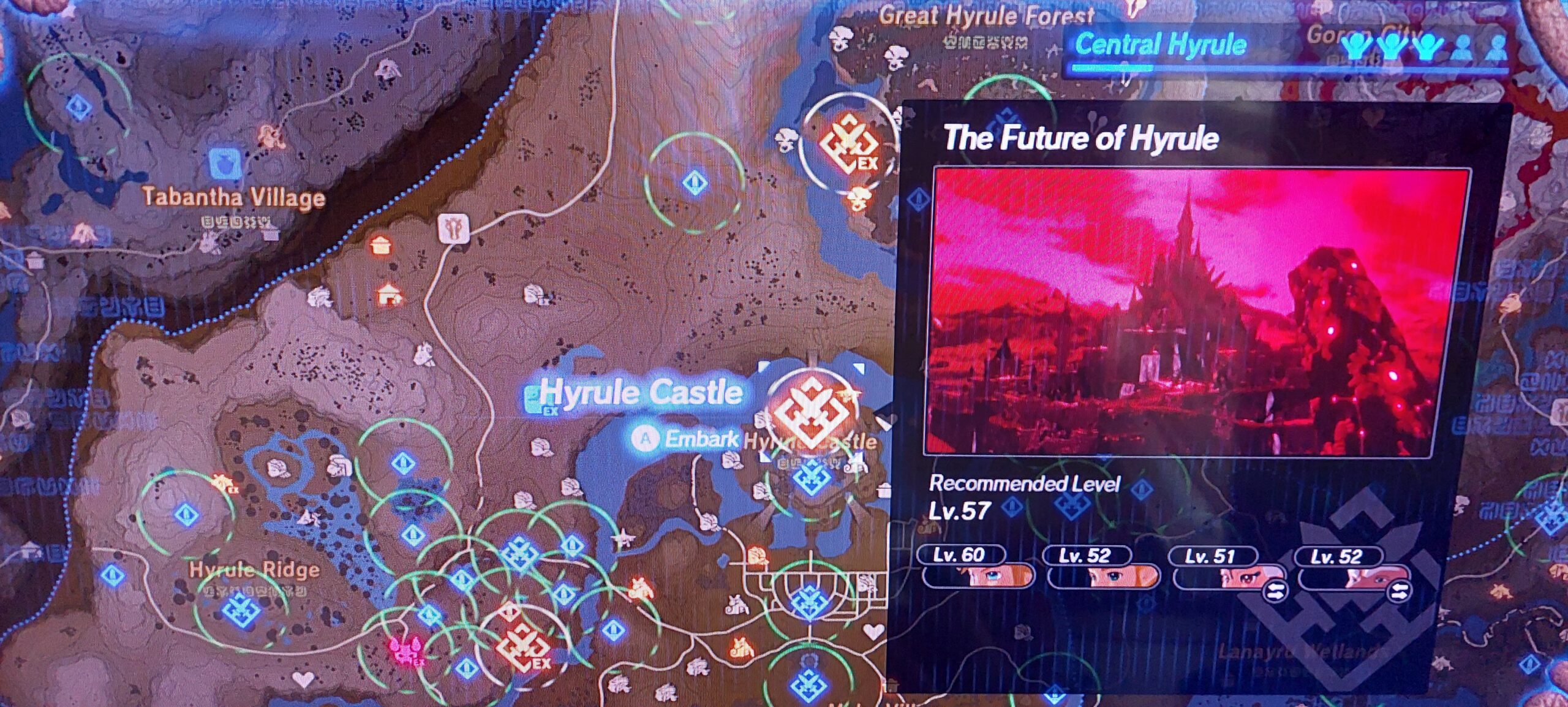
    So after reaching Calamity Ganon the first time with Link already near death, I knew something had to change. I had entered Hyrule Castle with Link, Zelda, Rhoam and Impa, which meant I had four capable fighters available to me.

    Instead of continuing to make Link carry every major encounter, I divided the group into two-person teams to deal with the Blights. Link still fought, but he no longer had to shoulder the entire workload himself. I also had Impa take on Astor, preserving even more of Link’s remaining strength for Calamity Ganon.

    I hated approaching those final battles this way because I loved my original strategy more. But I learned the hard way that even superpowered beings can eventually burn out like candles. More importantly, preserving Link didn’t mean he suddenly wasn’t strong enough to handle those enemies.

    It meant I had finally recognized that his strength was itself a resource, and I needed to save enough of it for the battle where it mattered most.

    The bosses and their entourage were getting smarter.

    I had to be smarter, too.

    Preparation, It Only Takes 5 Minutes –

    At the time I stormed Hyrule Castle with my team, my elemental wands were at full strength. By the time I reached Calamity Ganon, however, they were practically depleted. Too much of their power had been spent fighting the Blights.

    A mistake, to be sure. Meanwhile, I had stopped paying attention to my apple supply because I was convinced that the last few battles weren’t going to be particularly taxing on my health.

    Again, that was a mistake I barely lived to regret. Healing after practically every seemingly minor cut and bruise eventually took its toll on my supply of apples.

    Going off my past experiences with Zelda games, combined with my strategic brilliance, I underestimated the difficulty of my final bout with Calamity Ganon.

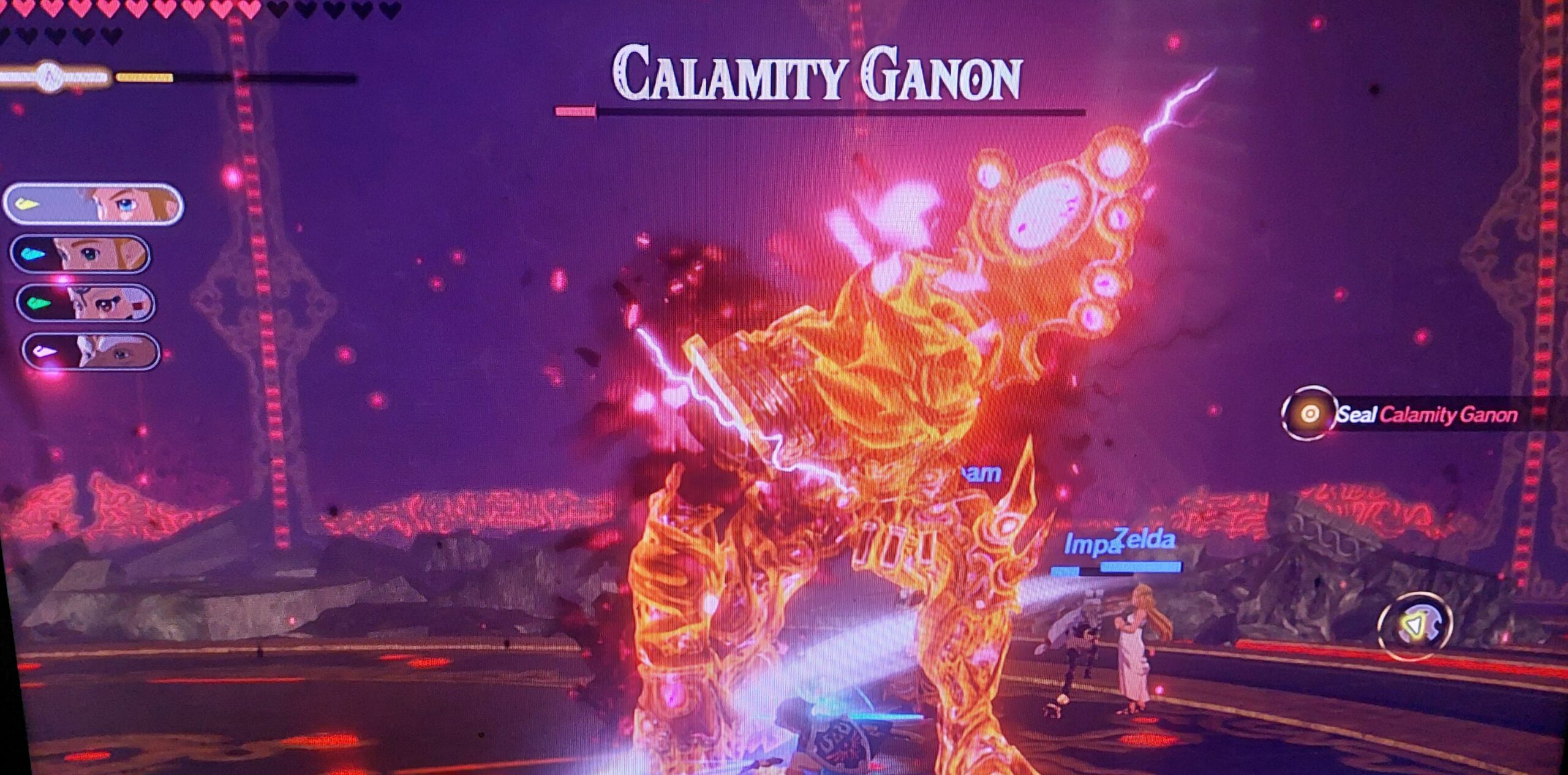
    When I first reached him, I attacked him with my entire team. Even after realizing how resistant he was to our attacks, I still expected the Master Sword to break through his invulnerability.

    After everything I’d seen that weapon do against Malice and the Blights, I figured that if anything could hurt him, the Master Sword could.

    I was wrong.

    Calamity Ganon was invulnerable to everything I threw at him, including the Master Sword. It wasn’t until after Terrako’s sacrifice that Ganon lost that advantage and finally became vulnerable to my attacks.

    By then, however, I’d already burned through resources trying to damage an enemy I couldn’t damage in the first place. Once I realized what I’d done, I felt pretty stupid.

    At that point, I had two choices: fight to the bitter end and hope I could somehow scrape together a victory based on whatever mercy I thought I might POSSIBLY be shown, or go back to a previous level, restock and rethink my strategy.

    I hated the idea of backtracking, but that’s exactly what I did. I refilled my elemental wands by hunting down Wizzrobes of each element, and I replenished my apples by breaking barrels, finding them throughout the stages or simply buying them outright.

    I didn’t like spending time going backward just to refill everything, but I wanted to make the endgame a slam dunk. I couldn’t afford to rush the end twice.

    Sure, that meant fighting the Blights and Astor all over again, but doing so also gave me another opportunity to recognize what I could’ve—or should’ve—done differently the first time. What initially felt like backtracking had actually become another training run.

    That’s when I realized that returning to an earlier stage wasn’t necessarily losing progress. I already knew where Calamity Ganon was. Getting there wasn’t my problem anymore. Getting there prepared was.

    From that point forward, I swore I’d never try to rush an endgame like that again.

    Point of Order: Preparation Takes Just 5 Minutes—Do It!

    Take Two –

    Having Impa take care of Astor put me in much better shape than I would’ve been if I’d decided against it. When I reached Calamity Ganon again, I could actually afford to sit back and savor his so-called invincibility before Terrako broke through it. After that happened, Ganon was looking at me pretty differently.

    Some of Calamity Ganon’s attacks were difficult to avoid at the last minute, but that didn’t concern me nearly as much this time because I still had my resources topped off.

    I had apples when I needed to recover, my elemental wands were ready, and most importantly, Link hadn’t arrived at the battle already hanging on by a thread. Calamity Ganon was going right back in that hole, and I was determined to put him there.

    After I beat Calamity Ganon in Round 2, roughly three-quarters of my resources were gone, but I still had enough left that I could’ve made a decent difference if he’d somehow pushed me into a Round 3.

    That’s when I could really see the difference preparation had made. The goal wasn’t necessarily to finish the battle with everything still in my inventory. The point was to have enough resources available when I actually needed them.

    This experience made me realize that forcing one character—especially your lead—to do all of the heavy lifting has consequences. Those consequences might be reversible, but correcting them can become time-consuming.

    It also reinforced something that should’ve been obvious from the beginning: I had a team for a reason. Taking everything onto Link’s shoulders simply because he carried a weapon of legend didn’t make him invincible.

    More importantly, I learned that being powerful enough to win and being prepared enough to win are two different things. Link already had the power. What I hadn’t given him during my first attempt was the proper condition in which to use it.

    Brute-forcing my way through every preceding battle wasn’t making me more prepared for Calamity Ganon—it was spending the very resources I was eventually going to need against him.

    By the second attempt, the battle had changed before I even reached Ganon.

    Conclusion –

    To wrap up, I started the final battle with my own expectations, driven somewhat by my gaming and strategic expertise. Eventually, I was put in a position where respecting the strength of the final boss mattered more than relying solely on the strength of my lead character.

    Hyrule Warriors: Age of Calamity is centered around having a team—taking people into battle who can hold their own so you don’t have to depend on just one character to do everything.

    That’s the game’s message.

    Yeah, I get it. Doing everything alone can seem ideal, especially after Link gets the Master Sword. But Link isn’t invincible. His companions are there to do some of the heavy lifting so he doesn’t have to carry every battle himself.

    Sometimes that means preserving Link for Calamity Ganon. Sometimes it’s one of the Blights. Hell, sometimes it’s one of those annoying ass Guardians.

    Returning to earlier areas as a means of preparation doesn’t mean you’ve stopped progressing. It means you’re covering your bases so you don’t have to keep repeating the same mistakes or mentally overexerting yourself trying to force a strategy that isn’t working.

    I can tell you from experience that trying to push forward simply because your character has more health than everybody else or because your weapon hits harder isn’t necessarily progress.

    Sometimes, that’s regression.

    This entire experience taught me that no matter how close I am to the end of a game, taking a few extra minutes to prepare is worth it.

    Yes, preparation technically costs time, but those few minutes can save considerably more time than repeatedly throwing yourself against the same final challenge while making the same mistakes.

    That’s something I’ll remember the next time I’m staring down an endgame and feeling tempted to say, “I’ve got enough. Let’s just finish this.”

    Point of Order: Preparation Takes Just 5 Minutes—Do It!

    Because once everything is stocked, the strategy is set, everybody knows their role, and Calamity Ganon is finally dead?

    The payoff is huge.

    Continue the Adventure

    A powerful character can still walk into the wrong battle underprepared.

    I learned that firsthand after relying too heavily on Link and the Master Sword during the final stretch of Hyrule Warriors: Age of Calamity. By the time I reached Calamity Ganon, I’d spent resources I should’ve conserved and pushed my strongest character harder than necessary.

    The solution wasn’t another weapon.

    It was better preparation.

    If you enjoy boss battles where planning beforehand can matter just as much as execution during the fight, check out my Benable list:

    https://benable.com/RoddyMcG/15-video-game-boss-battles-that-reward-you-for-preparing-beforehand

  • When Does DLC Stop Adding to a Game and Start Getting in Its Way?

    When Does DLC Stop Adding to a Game and Start Getting in Its Way?

    Intro –

    Nowadays, more than a few games come with their own DLC. As such, it can be tempting to experience everything a game has to offer. For me, DLC appeals to me when it’s more about a few meaningful extras here and there.

    My thing is, if the base game was good, the right DLC can really make it pop. For example, take the Separate Ways DLC in Resident Evil 4 Remake. I got to play as Ada Wong and, more importantly, understand her part of the story.

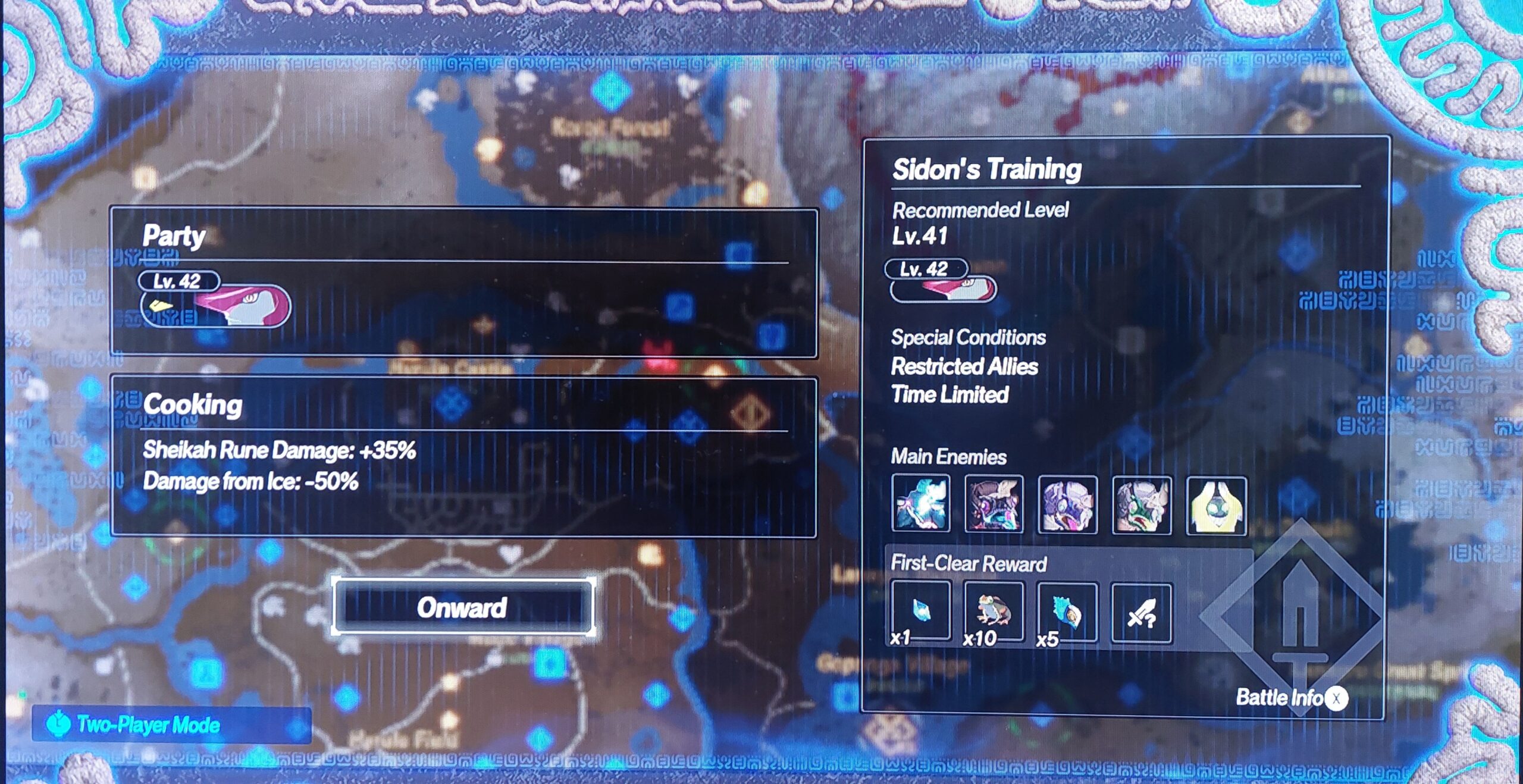
    When I started experiencing the DLC in Hyrule Warriors: Age of Calamity, I thought much of the same. But I quickly learned that no two DLC experiences are created equal.

    Age of Calamity made that lesson especially clear because it didn’t feel like there were just one or two additional things waiting for me—it felt like there were two million different things, and eventually I was just ready to be done.

    That feeling started after I really began diving into the DLC. At first, I would do a little of the additional content and then continue with the base game.

    But as I went further, I started realizing that the DLC wasn’t necessarily providing me with a better experience. It was giving me more to do and another way to strengthen my party—but was “more” actually making the game better?

    More Content Isn’t More Game –

    The EX missions were more like what I would call “power spots.” By power spots, I mean places where I could take different characters and begin to understand them better as I played with them. I didn’t necessarily feel like the DLC was adding to my overall experience of the game. Instead, I saw these as optional areas where I could test a character’s mettle—i.e., their combat prowess—and find out what they could really do.

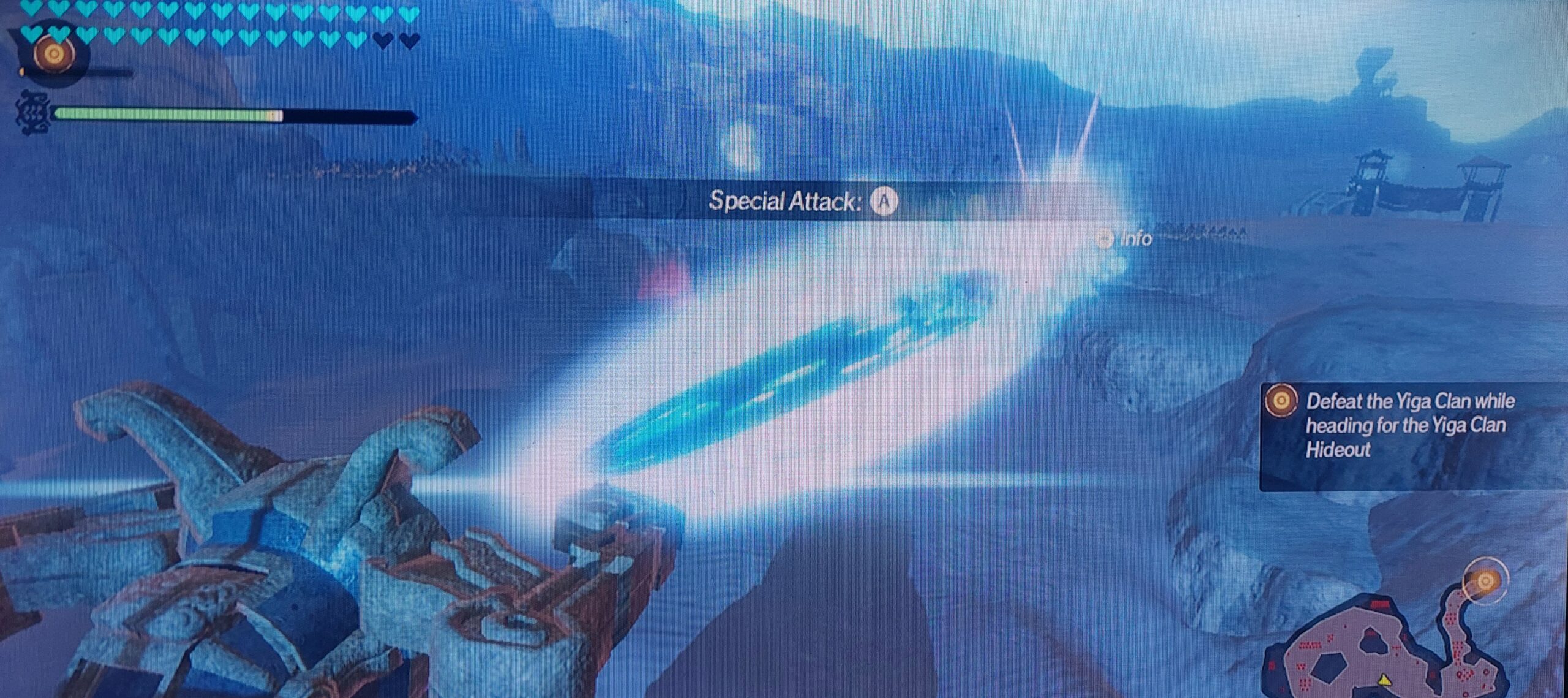
    I won’t say that all of the DLC wasn’t worth it. I actually found the Divine Beast missions really good because I got another opportunity to pilot the Divine Beasts. They were a nice change from controlling the regular characters and gave me something different to experience. But even after a while, those toys started losing their luster. Once the novelty began wearing off, I started wondering what else these missions were giving me beyond another opportunity to control something I’d already learned how to use.

    Even with many of the normal EX missions, I wasn’t really getting much out of them after a while. There were rewards involving recipes, Heart Containers and other ways of strengthening my characters, but eventually everything started running together. That’s when “there’s more for me to do” started becoming “I should do this, but I don’t really care if I do or don’t.”

    That’s where I feel DLC has to do more than simply exist. Look at Breath of the Wild’s Trial of the Sword. Sure, those three trials could be cumbersome in their own way, but I kept going back because there was always another challenge waiting for me, and completing them ultimately strengthened the Master Sword. I wasn’t returning simply because another objective was sitting there. I had a reason to want what was waiting at the end.

    When Extra Stuff Starts Costing You More Than Money –

    After playing through a good amount of the EX missions, I started feeling this sense of dread because I wasn’t experiencing anything particularly new. Nothing was really leaping off the screen at me anymore. If anything, the EX missions started driving me right back toward the main campaign.

    After gathering materials to satisfy another requirement just to give a party member an extra Heart Container or two, it stopped feeling like some special rite of passage. Instead, it started feeling like, “If you use this character, this power-up will take you far.” Except, from my experience, it really didn’t.

    In my opinion, if I’m going to spend my time doing DLC, that time needs to feel worth investing. If I stop doing it, chances are I’ve lost interest because there’s either too much content or too much of it feels like it’s trying to overcompensate as filler.

    Take an EX mission that sends me back to Hyrule Castle to fight Lynel after Lynel. I’m not against a challenge, but I need a reason to care about overcoming it. Without the right reward structure—or even opportunities to recover between those fights—it can start feeling less like a meaningful challenge and more like you’re just a medium-powered lamb being led to slaughter.

    And that’s where I have to ask what I’m actually getting for overcoming something like that. If there were a reward at the end that substantially changed what I could do afterward, maybe I’d look at the challenge differently.

    Difficulty by itself isn’t necessarily enough to make additional content worthwhile. The challenge and the reward have to give me a reason to invest the time.

    That’s the thing, though: additional content doesn’t take points away from the game itself. At least, not for me. If the DLC is a mess, that affects how I feel about the DLC—not the main game. Age of Calamity’s main campaign is always going to be its own experience in my mind.

    The time I invested in the EX missions belongs to those EX missions, and none of that detracts from how much I enjoyed the journey that ultimately led me toward giving Calamity Ganon that much-deserved ass whooping.eserved ass whooping.

    Sometimes Trying DLC Once Is Enough –

    To wrap up, most DLC is worth trying, especially when you find one or two additions that keep giving you something worthwhile while still demanding something from you in return. But there are also DLC experiences that, once I’ve gone through them, never need to see the light of day again on my system. Hyrule Warriors: Age of Calamity falls into that category for me. I got a lot out of its DLC, but after a while, the sheer amount of additional content became repetitive. Experiencing it once was more than enough for me, and thankfully, it still left a decent taste in my mouth.

    The important thing is that I don’t have to treat every piece of DLC content equally. I can choose which missions are worth my time and leave the rest alone, especially when I feel like I’ve already done variations of the same thing a thousand times. That’s probably the biggest lesson Age of Calamity’s DLC taught me: additional content being available doesn’t automatically make completing all of it necessary.

    Going into future games, this experience will make me more mindful about DLC—not simply because it’s optional, but because some DLC experiences can be worthwhile as a one-time deal. I can experience something, appreciate what it gave me and still decide that I never need to experience it again.

    That’s why, in my mind, DLC has to stand separately from the base game. Base game? Worth it. DLC? It has to earn and justify its mettle before I deem it worth my time.

    Continue the Adventure

    Good DLC shouldn’t survive on the words “additional content.”

    Give me another perspective. Give me an interesting challenge. Give me a meaningful reward. Give me something that makes returning to a world I’ve already spent dozens of hours exploring feel worthwhile.

    If you’re looking for additional content that gives players a genuine reason to return, check out my Benable list:

    https://benable.com/RoddyMcG/15-video-game-dlcs-that-actually-give-you-a-reason-to-come-back

  • The Difference Between Mystery and Confusion in Video Games.

    The Difference Between Mystery and Confusion in Video Games.

    Intro –

    Normally, when you play video games, there’s always something telling you what to do or giving you an idea of how to go about doing something. For example, when you first enter a particular level or stage, you already get the idea that you’re supposed to proceed until you can’t anymore. That gives you a sense of excitement about where you’re heading and what might be waiting for you. You know enough to keep going without knowing what’s waiting on the other side.

    However, like most things, this can become a double-edged sword. Sometimes that excitement can become a deterrent when there aren’t enough clues pointing you in the direction you’re supposed to go. Imagine entering an abandoned village without a soul in sight. There’s certainly mystery there—but what are you supposed to do once you arrive? If there’s nothing pointing you forward, mystery can quickly become confusion.

    If I’m being honest, Vigil: The Longest Night taught me that there’s a thin line between mystery and confusion, especially when you don’t have a clue about what to do or where to go. I come before you today to make that line known: mystery is not knowing what’s next; confusion is having no idea what to do next.

    Mystery Should Make Me Want It –

    Anytime I play a game, I have to have some kind of something that gives me just enough information to draw my own conclusion. For example, when you get Cetacea in Dragon Quest XI, you’re not necessarily told everywhere you should go.

    However, you can see floating islands in the distance, which allows you to draw your own conclusion: “Hey, let me stop there and see what’s going on.” The game doesn’t have to tell me what’s waiting there. Seeing the islands is enough to make me curious.

    Vigil: The Longest Night didn’t give me that same feeling. A couple of NPCs would tell me to go see someone, but I wasn’t always clear on where I was supposed to go. This frustrated me because the clues were scant. I didn’t need the game to hand me the answer, but I needed enough information to point me toward finding it.

    At one point, I was briefly told about a waterfall, but I didn’t understand why it was important or what I was supposed to take away from that information.

    After talking to the NPCs, I found myself roaming around town for several minutes trying to find some clue about what I should do next. That’s when I started realizing that I wasn’t investigating a mystery anymore—I was trying to figure out what the game wanted from me.

    Confusion Begins When The Game Wants Me To Figure It Out –

    Over time, I found myself wandering around Vigil trying to figure out what to do and when. The Notes were no help, and the clues I was given didn’t seem to point toward anything in particular. Not knowing the answer yet is one thing.

    You could be given two clues about the same place, for example, and use them together to figure out where you need to go. But when Vigil barely painted a picture of what I was supposed to be doing, I was like, “What the hell?!”

    Shortly after I arrived in the first town, I started talking to the NPCs, and there wasn’t much mystery for me to unravel. Instead, I was getting things like, “Go see this guy,” while another guy was talking about being a legend or whatever.

    I just felt completely out of sorts. But the thing that really killed me was that the game didn’t carve enough of a path for me to follow. I was told, “I hear noises in the cemetery.” So I went to the cemetery, found high ledges that appeared to require a double jump, and didn’t hear the noises I had gone there looking for.

    The way I figure it, if you paid for a game, it’s the game’s responsibility to give you enough of a clue to fill in the blank when one surfaces. It doesn’t have to fill that blank in for you.

    Going back to my Dragon Quest XI example, there was always a way forward. When I went looking for Veronica’s sister Serena in the Crypt on the Hotto Plains, the game didn’t need to simply tell me exactly where Serena was. Veronica gave me a clue, and I followed it. That’s what I felt Vigil wasn’t doing for me. not do.

    Conclusion –

    To wrap up, games are all about making sure you get your money’s worth, and part of that comes from being pointed in the right direction when the time calls for it. A little mystery is key because it leaves you hanging just enough to feel like you figured something out on your own. Accomplishment!

    A little guidance is well regarded in my book because it gives you a reason to explore and discover things on your own. Sure, there are going to be times when something might feel too easy or you’re being lured somewhere outside of wherever you were originally heading, but there should be enough information to make that destination mean something once you get there.

    I’ve played my fair share of games, and many of them DO NOT follow what I experienced as Vigil’s algorithm of “find out what you need to on your own and be rewarded.” A bigger waste of my gaming time there never was!

    Even in earlier games like Dragon Quest VIII, after leaving the Maella Region and heading toward Simpleton, talking to people can subtly reveal where your journey is taking you next. A little something is enough to draw a conclusion. In my experience, Vigil didn’t give me enough of that.

    Overall, if I’ve spent 10+ gaming hours trying to figure out what a game expects from me rather than actually enjoying figuring things out, I’m putting it down. Video games can be frustrating enough in their own right; I don’t need confusion helping them along.eir own right, you don’t need help with that.

    Continue the Adventure

    Mystery is one of gaming’s greatest tools when it’s used correctly. Give me enough information to start asking questions, then stand back and let me discover the answers.

    If you’re looking for games that understand how to keep you curious without completely abandoning you, check out my Benable list: 15 Games That Know How to Keep You Guessing Without Getting You Lost.

    https://benable.com/RoddyMcG/15-games-that-know-how-to-keep-you-guessing-without-getting-you-lost

  • When Exploration Stops Being Fun.

    When Exploration Stops Being Fun.

    Intro –

    Buying a video game means being able to milk it for all it’s worth, and for me, exploring a video game world is part of that experience. However, what really makes exploring worthwhile enough for me to willingly wander away from the main objective are things like sub-objectives that actually make the journey worth it. For example, if there’s a side quest involving finding a weapon or even materials for a recipe? Worth it.

    But the downside is that the longer I pursue these side quests, the more I can start feeling like I’m moving away from the game itself. Then come the questions: “Should I have left that behind? Is it actually critical, or do I just think it’s critical?” It is at that point where exploration starts turning into a chore list instead of simply being fun, because there’s always going to be that something you’re going to want. I know that from experience.

    I come before you today to remind you that exploration and obligation are two dimensions that should never bleed into each other.

    Curiosity Becomes a Chore When…..

    One of the things about video games is that they know how to “tug” on a person’s curiosity. I find this a little hilarious because, being a curious sort, it gets me every time. I remember playing The Witcher 3 and trying to clear all of the “?” marks on the map. Because I felt like I wasn’t in any hurry to get back to the story, I figured I’d let curiosity take the wheel.

    Of course, I soon found myself feeling obligated to clear the map because the side content was a one-and-done deal. However, the problem soon became that I had to know. I had to keep exploring. I had to keep doing the quests until it started taking a toll on my energy to play the game.

    Enjoyment versus discovery—you can only appreciate both if you’re not spending enormous amounts of time trying to unearth every single thing on an open map.

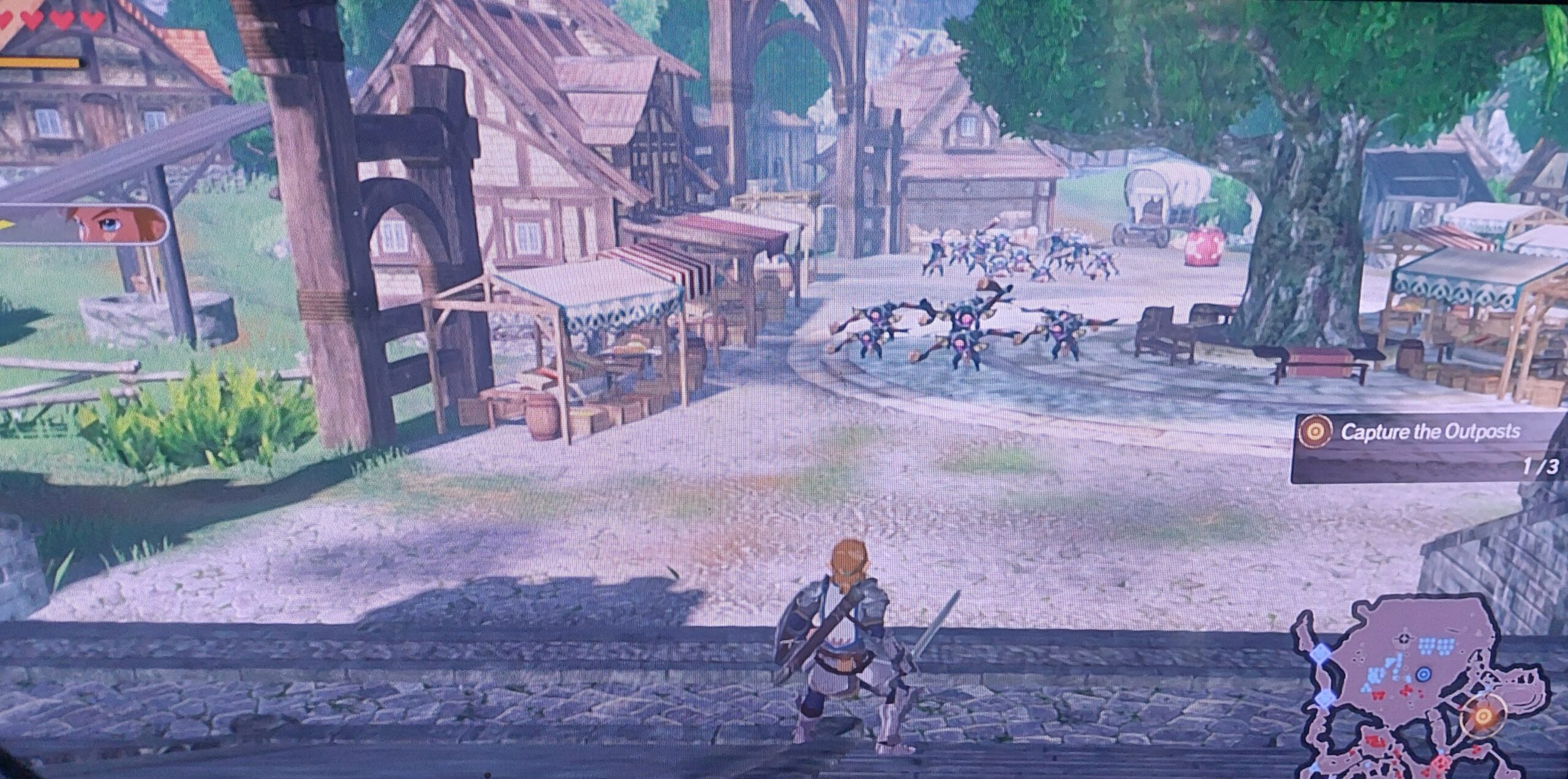
    For example, in Hyrule Warriors: Age of Calamity, you’ll have unearthed dozens of side quests and EX missions by the endgame. But from my experience, those aren’t things you have to explore simply because they’re sitting there waiting for you. Their presence doesn’t create an obligation to complete them. The game is the thing, not the endless pursuit of gaming curiosity.

    Bigger Doesn’t Always Mean Better –

    One of the problems I faced when I played Hyrule Warriors: Age of Calamity is that I felt like because there was a big world, all of it had to have my attention—every part of it. But that’s the problem: bigger doesn’t necessarily mean a better world.

    Sometimes it barely gives you a good place to start. Personally, I’m a small-world, big-planner kind of gamer. If I’m stationed in one world, I’ll work my way through that world instead of constantly being placed wherever.

    Ironically, some of the best examples of having fewer meaningful places come from the Final Fantasy games I’ve played and beaten. Take Final Fantasy VI. You have dozens of different locations, some of which you’ll revisit, but those return trips can give you something meaningful to find, fight, or accomplish. That’s what makes revisiting somewhere feel worthwhile instead of making me wonder why the game sent me back there.

    Black Myth: Wukong, a game I come back to often, taught me something else: exploration should reward. Whether it’s a boss battle, a hidden mini-boss, or even a boss whose transformation you can eventually use, if you walk into that forest, you’re coming out with something. I guarantee it! That’s what makes me want to explore.

    You can put 300 locations in a game if you want. Just make sure exploring all 300 isn’t the thing that starts draining your player’s life force.

    Conclusion –

    So to wrap up, buying a game can often make us feel like we have to complete every bit of optional content possible. Trust me, I’m guilty of this myself. But that’s where the change should happen. Exploration should come first—not the need to do everything simply because it’s sitting there. You want to enjoy what you’re dividing your attention toward, not feel like it’s something you have to do.

    Keep in mind, too, that there’s no love lost in walking away from a side quest if it’s taking too much of your time. If an NPC sends you on a mission to another town that’s oceans apart, leave it for now. Take the assignment, but don’t worry about completing it immediately. Know when to walk away.

    Besides, there’s so much more of the game to explore and so many areas to like and love. Those side quests will still be there. Don’t lose sight of the game you actually came to play, and so what if you leave something behind? Curiosity can be its own kind of poison if you let it.

    Always remember that exploration can be one of the biggest parts of having fun with a game. Explore because you want to know what’s out there—not because your curiosity demands that you uncover everything.

    Continue the Adventure –

    Exploration should make you wonder what’s waiting around the next corner—not make you feel like you’re clocking in for another shift. If you’re looking for games that give you worthwhile reasons to leave the main road, I’ve put together 15 Games That Make Exploration Worth Your Time on my Benable.

    https://benable.com/RoddyMcG/15-games-that-make-exploration-worth-your-time

  • Every Divine Beast Has Something Different to Offer.

    Every Divine Beast Has Something Different to Offer.

    Intro –

    For anyone who’s played Hyrule Warriors: Age of Calamity, you’ll probably agree that one of the best parts of the game isn’t just when Link finally claims the Master Sword or when you get to fight alongside the four Champions and Impa, who, might I add, have some of the most colorful attacks in the entire game. No, one of the game’s biggest highlights is piloting the Divine Beasts.

    Over the years, I’ve seen plenty of gamers debate which of these four ancient behemoths is the best. After taking control of all four and unleashing my own brand of holy havoc upon the enemy ranks, I can honestly say there’s no meaningful way to decide which one is the best—or the worst.

    If I’m being honest, and at the risk of sounding a little snooty, these ancient moving mountains are above that kind of comparison. From my experience, every Divine Beast has its own strengths, weaknesses, and personality, but more on that in a moment. What I discovered is that there isn’t one Divine Beast that stands above the others. They each offer something completely different.

    Today, I want to explain why no two Divine Beasts are alike in any way, shape, or form. By the end of this article, I hope you’ll appreciate each Divine Beast for its own unique strengths and the role it plays in making Hyrule Warriors: Age of Calamity such an unforgettable experience.

    The Divine Difference –

    You know, the highlight of piloting the Divine Beasts isn’t simply how they destroy your enemies. It’s that each one offers something the others don’t. Take Vah Medoh, for example. While piloting it, I was taking down enemies high above the battlefield instead of those on the ground.

    I have to admit, I was a little overwhelmed at first while flying alongside Revali, but one thing became crystal clear. If you approach these ancient machines with the mindset of driving a go-kart or even a race car, you’re in for the rudest awakening of your little life.

    The thing is, not every Divine Beast handles combat the same way, and adapting to those differences falls entirely on you. For example, while piloting Vah Rudania, I had to rely on its Counter ability to stop incoming projectiles. The other three Divine Beasts, however, could generate protective barriers.

    Defending against something as massive as a fireball the size of a meteor became a matter of timing. Here’s a tip from my experience: if you’re trying to decide between attacking and defending while using one of the Divine Beasts equipped with a barrier, keep the barrier active as you continue attacking. I did this with Vah Medoh and Vah Ruta, and it worked surprisingly well.

    One of the things I enjoyed most about piloting each Divine Beast was discovering how differently they approached battle. Vah Naboris, for example, unleashed its Lightning Onslaught, an area-wide attack that wiped out everything beneath its blinding white light.

    If you happened to be standing under that light, it was already too late. Just think about that for a moment—a seventy-foot camel calling down a storm of lightning across the battlefield. That’s definitely not the kind of power I’d ever take lightly.

    The Beastest With the Mostest –

    What made my time inside Vah Rudania so memorable wasn’t simply the havoc I got to unleash upon my enemies—it was the experience of piloting it in the first place. You see, I had already played and beaten The Legend of Zelda: Breath of the Wild before picking up Hyrule Warriors: Age of Calamity.

    I knew the Divine Beasts had Champions who piloted them and fought to protect Hyrule, but nothing prepared me for what it actually felt like when I climbed into the driver’s seat myself. For about twenty seconds, as everything around me came into focus, my entire world stopped.

    By the time I reached my third and fourth Divine Beast, I was already familiar with what awaited me. Not to trivialize the experience, but by your second Divine Beast, you begin to feel comfortable with the controls.

    Vah Naboris quickly became one of my favorites to pilot because of how naturally everything came together. The controls felt responsive, and they didn’t apologize for being easy—they shouldn’t have.

    Whether it was because I had already become familiar with piloting Divine Beasts or simply because Naboris was designed differently, I found it much easier to target and eliminate enemies than I did with Vah Medoh, where I constantly found myself changing viewpoints to keep enemies in sight.

    Then there was Vah Ruta, which felt less like an ancient machine and more like a moving tidal wave sweeping across the battlefield. Ruta had one incredible advantage: anything touched by its freezing power stopped in its tracks. That brief moment of control created the perfect opportunity to press your advantage and overwhelm the enemy.

    Every Divine Beast made me feel powerful, but never to the point where I believed I was invincible. Instead, they made me feel like I had unimaginable power resting at my fingertips.

    So, if the day ever comes when you read this article and see me discussing all four Divine Beasts, don’t mistake it for a comparison or a ranking.

    As I said before, these ancient monstrosities are above that kind of pointlessness. Instead, appreciate each one for the incredible power it brings to the battlefield and the unique experience it offers the player.

    Conclusion –

    To wrap things up, piloting all four Divine Beasts is an experience unlike anything else you’ll find in gaming, at least in my opinion. I honestly believe that was Nintendo’s intention. It wasn’t just about enjoying Hyrule Warriors: Age of Calamity, but also about giving players a deeper appreciation for the events leading into The Legend of Zelda: Breath of the Wild.

    You might be thinking, “Why should I care about these ancient behemoths?” Because it’s not every day a game hands you the controls to living mountains capable of reshaping an entire battlefield. The experience changes the way you think about power. That’s a personal Roddy guarantee.

    Each Divine Beast is awesome in its own way. There’s no, “Naboris is better because of its lightning attacks,” or, “Medoh is number one because it can dominate both the air and the ground.” None of that. Every Divine Beast has its own strengths, its own limitations, and its own unforgettable moments.

    For me, piloting all four taught me to appreciate the experience instead of trying to crown a winner. Enjoy the game as a whole, not just the Divine Beast sections, because together they create one of the most memorable experiences Hyrule Warriors: Age of Calamity has to offer.

    After piloting all four Divine Beasts, I came away with an even greater appreciation for Hyrule Warriors: Age of Calamity and the Zelda universe as a whole. If you’re looking to continue your adventure beyond the battlefield, I’ve put together a collection of games, accessories, and Zelda collectibles that I think every fan should check out on my Benable.

    https://benable.com/RoddyMcG/the-best-zelda-gear-for-hyrule-warriors-age-of-calamity-fans

  • Hyrule Warriors: Age of Calamity – A Few Tips and Strategies to Keep in Mind

    Hyrule Warriors: Age of Calamity – A Few Tips and Strategies to Keep in Mind

    Hyrule Warriors: Age of Calamity isn’t your run-of-the-mill Legend of Zelda game. You’re fighting monsters, but not in the way you might expect. I can personally tell you that this game captures what it means to live and die on the battlefield. Despite the large-scale battles, that doesn’t mean you’ll immediately feel like you’re in over your head.

    Sometimes one of the hardest things to navigate in a game of this caliber is knowing where to go next. Yes, the game gives you direction, but make no mistake—it doesn’t hand you everything. You’ll find yourself working to earn every victory. As someone who prides himself on getting the most out of every game I buy, exploration is important. However, that exploration doesn’t always produce the results you expect, and learning how the battlefield works becomes just as important as winning the battle itself.

    I’ve always been in the habit of learning as much as I can about every game I play, and Hyrule Warriors: Age of Calamity is no different. It can challenge you in ways you may not expect. Today, I’d like to share a few tips and strategies that have helped me throughout my journey and that I believe can help you as well.

    Now, I want it to go on the record that these are my tips and strategies, so take them with a grain of salt. At the same time, know that I’m not here to spoil the adventure for you. My goal is simply to help you enjoy the journey a little more.

    With that said, let’s dive in.

    Learning More Than With Link –

    Link starts at the forefront of the battle, but he doesn’t stay there. As the game progresses, you’ll take control of more than one character, and that’s when you’ll begin learning each Champion’s strengths and weaknesses. For example, Revali is an excellent aerial fighter, but it takes some time before he becomes effective in ground combat.

    Stick with him, though, because he improves considerably. Zelda is another good example. While she can handle enemy crowds, she starts out lacking strength and overall combat capability. Once you invest in strengthening her stats, however, she becomes a powerhouse.

    Using Link is great, but he isn’t always going to get the job done by himself, especially since you can’t be everywhere at once. One thing I’ve really enjoyed is that, even 28 hours into the game, I know which characters perform best in certain situations.

    If I had to pick favorites based on raw power, I’d go with Urbosa first and Impa second. Each of the seven main heroes—Link, Zelda, Impa, and the four Champions—brings a unique fighting style to the battlefield.

    Daruk and Urbosa are excellent at handling large enemy crowds and rarely become overwhelmed, especially when dealing with groups of Moblins. Mipha, Zelda, and Revali are better suited for medium-sized encounters.

    I generally avoid sending them against larger enemies alone unless Link, Daruk, or Urbosa is nearby to help. As your team fights, everyone gains experience and levels up. I found that keeping everyone’s levels relatively even works much better than having one level 30 character alongside two or three level 9 characters.

    I’m telling you this now, and I can’t stress it enough—use every character. Don’t rely only on Link, don’t build your entire strategy around Daruk, and don’t limit yourself to just two or three favorites. That’s one of the quickest ways to make later missions much more difficult. The stronger and more balanced your entire roster becomes, the easier it is to handle tougher enemies and complete rescue missions successfully.

    Why Ignoring the Battlefield is Very Bad –

    Now, getting out onto the battlefield might seem intimidating, but you have allies out there who can help you just as much as you can help them. From my experience, I have one rule: send your allies off to deal with the other areas of the battlefield.

    I say that because, by the time you eventually catch up to them, they’re usually doing just fine holding their own. It’s very easy to let overzealousness overtake you when you’re trying to cover every corner of the battlefield at once, but don’t let it.

    Eventually, you’ll make your way to every objective. So, enjoy the environment while cutting down those baddies. The gameplay mechanics are something to appreciate, not something to rush through.

    After the story battles, you’ll unlock a variety of side objectives that deserve your attention. These range from combat drills and tests of strength to combo training and even opportunities to earn an extra Heart Container or two. Most of these side objectives are worth completing.

    A few aren’t essential, but the game isn’t built around completing every single one—it’s built around your overall progress. One piece of advice I can give you from experience is don’t get into the habit of trying to defeat every enemy on the battlefield.

    Focus on the biggest threats first. Wizzrobes, Moblins, and Hinoxes should always be your priority. Take your time. The smaller enemies usually fall with a few weapon swings, but the larger foes demand your attention, patience, and concentration. Don’t go into those battles without them.

    Helping your allies not only increases your chances of surviving, but it also makes battles much easier and rewards you with the spoils of war. Your allies aren’t just there to fight alongside you.

    In many cases, they can distract powerful enemies, giving you the breathing room needed to regroup and decide on your next move. Don’t forget to switch between characters during battle either.

    I found that doing so goes a long way toward keeping everyone alive. More importantly, every character has their own special attacks, and knowing when to use them can completely turn the tide of a difficult battle.efields in this case.

    Conclusion –

    To wrap things up, while the game is easy enough to pick up and play, don’t button mash. It’s simply not necessary, and you’ll burn yourself out much faster than if you take the time to learn the combat system. As you’re cutting through enemies, learn your party members and your lead character inside and out, especially their special attacks. Link is your all-around fighter,

    Urbosa excels against large enemy crowds, Daruk is excellent for dealing with stubborn enemies, and Impa is perfect when you need someone to get in, deal damage quickly, and get back out.

    Make sure everyone gets a chance to fight and contribute. No party member is better than the others—they all have their strengths. Link eventually earns the Master Sword, but his greatest strength comes from keeping his health up to maximize his damage output. Revali becomes much more effective in ground combat as you continue improving his stats, and it’s well worth the investment.

    Don’t underestimate Mipha either. She may not look like a powerhouse at first, but her trident combos are some of the most damaging and crowd-clearing attacks in the game, second only to Urbosa in my experience.

    Bosses and elite enemies don’t have overly complicated attack patterns, but you’ll naturally learn what to do as each battle unfolds. One thing I didn’t mention earlier because it feels almost second nature is this: use your Remote abilities.

    They can thin enemy herds quickly and create breathing room when battles become overwhelming. Above all, don’t try to rush through the game. Enjoy the experience, and let the game surprise you.

    One of the biggest mistakes you can make is skipping side objectives and focusing only on the main story. Doing so leaves you with seven Champions who simply aren’t as strong as they could be.

    Point of Order: Haste Makes Waste

    Looking to become a stronger Champion in Hyrule Warriors: Age of Calamity? I put together a collection of accessories, Zelda games, and Nintendo Switch gear on my Benable that can help make your adventure even more enjoyable. Whether you’re just starting out or preparing for your next battle, these are products I’d recommend checking out.

    https://benable.com/RoddyMcG/beginner-tips-for-hyrule-warriors-age-of-calamity