Author: RodGodGamer

  • The Moment Hyrule Warriors – Age of Calamity Made Me Feel Like a Champion!

    The Moment Hyrule Warriors – Age of Calamity Made Me Feel Like a Champion!

    Intro –

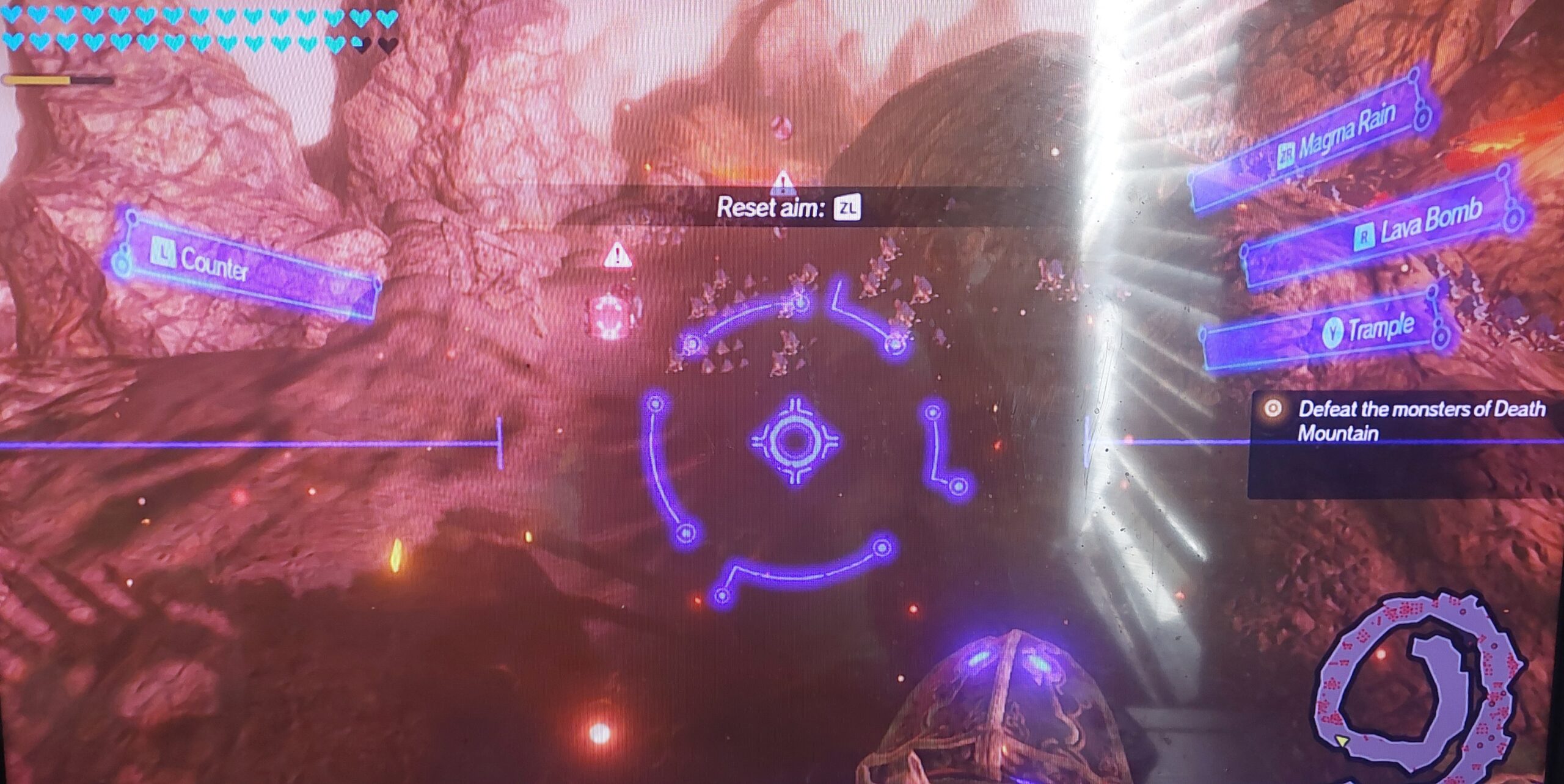
    There are seldom moments in video games where I get to do something truly extraordinary, like piloting what is essentially a moving mountain to destroy my enemies. It sort of gave me Final Fantasy XV flashbacks, but I digress. After the first couple of hours in Chapter 2, Hyrule Warriors: Age of Calamity put me in the driver’s seat of one of the most powerful machines in the entire game: the Divine Beast Vah Rudania.

    Now, I’ve always prided myself on getting immersed in the games I play, but when I took control of Rudania, that was the moment I realized I wasn’t just playing the game—I felt like I was part of it. Hyrule itself is massive, but using one of the Divine Beasts to annihilate my enemies with its incredible power made me feel almost omnipotent.

    Oftentimes, you can play a decent game and eventually start to get a little bored. In my opinion, though, one or two incredible moments can completely change your opinion of a game. For example, I didn’t know what to expect when I started playing Hyrule Warriors: Age of Calamity. At first, I was under the impression that it would play a little like Dragon Quest Heroes. Boy, was I wrong!

    Today, I want to show you how Hyrule Warriors: Age of Calamity not only made me feel like a champion, but also made me feel like I was truly fighting for Hyrule. Sometimes, all it takes is one unforgettable moment for a good game to become a great one.

    The Game Keeps Building Excitement –

    When I first started playing Hyrule Warriors: Age of Calamity, I thought it was just about attacking enemies, with no real exploration and no ability to deviate from what I initially believed was a linear objective. As I said, I saw a lot of Dragon Quest Heroes’ gameplay mechanics in the game.

    I didn’t draw any real conclusions at that point because I was just starting out, so I definitely didn’t know what to expect. But after clearing Hyrule Field and bringing the opening battle to an end, I realized I had almost completely misjudged what was shaping up to be a genuinely enjoyable game. It wasn’t enough to simply control Link—it was about stepping into his role and experiencing the battle through his eyes.

    Shortly after, maybe ten minutes later, I got the chance to use Impa in her prime. That changed things dramatically. I went from playing as Link to using one of the characters helping him cut through the enemy hordes. Impa came with her own unique moveset, and her abilities felt like a fresh coat of paint on what otherwise could have become repetitive gameplay.

    That’s one of the reasons I think Hyrule Warriors: Age of Calamity does such a great job with its characters. Every new hero comes with their own powers and abilities, and it genuinely feels like you’re fighting the battle through their perspective as you guide them across the battlefield.

    As the missions progressed, there were always people who needed your help defending their positions. Whether it was a Zora Captain, Goron Warriors, or even the Rito, someone always needed assistance pushing back the enemy invasion.

    The game gives you enough time to reach those areas without making you feel overwhelmed. Most regular enemies go down with a few well-placed attacks and combos. Moblins, Wizzrobes, and Hinoxes are a different story, but even they never feel unfair. Throughout every battle, the game makes you feel like you’re always in control, and that’s a powerful feeling.

    What invested me even more was the strategy involved in combat. For example, you can use an elemental rod against the matching Wizzrobe to weaken it significantly.

    I remember using the Ice Rod against a Fire Wizzrobe until its gauge was depleted, making it much easier to finish off. I’ll also say this: the side objectives aren’t there just for show. Completing them rewards you by making your characters stronger and even increasing your maximum health with additional Heart Containers.

    Goron City was the first place I chose to go. As I battled through the enemy hordes, Daruk mentioned that our current strength wasn’t enough to stop the invasion because there was simply too much ground to cover.

    When he suggested using the Divine Beast, I didn’t think the game was about to change completely. I figured we’d just have to fight harder, move faster, and hit the enemy leaders with everything we had. Then I stepped inside Vah Rudania.

    In an instant, I went from being a seventeen-year-old appointed knight standing about five-foot-four to controlling an ancient machine capable of leveling entire city blocks.

    It was a fuckin’ work of magic.

    The Moment I Felt Like A Champion –

    When I took the controls of Vah Rudania, I felt like I was wielding ultimate power. This wasn’t just another weapon—it fired devastating laser blasts capable of reducing entire fortresses to rubble. Piloting power of that caliber really makes you think about every video game decision that led you to that moment. There are very few feelings in gaming that compare.

    The weapon systems were incredible. Everything you did had tremendous range, and you could intercept, counter, or defend against nearly every assault the enemy threw at you. I honestly felt like there was nothing I couldn’t do or defend against. That was the power of a Divine Beast, and I definitely got my fill—and then some. Awesomeness!

    What made piloting a Divine Beast so different wasn’t simply that it was a massive ancient machine—it felt like a living weapon, much like Link and the other Champions. The difference was the sheer scale of its power.

    Its weapons could be adjusted to fight enemies in the air or on the ground, and I never felt like anything was beyond my reach while piloting Rudania. For a brief moment, I honestly thought I was invincible. What made that feeling so believable was that some of Rudania’s weapon systems generated protective barriers, allowing you to shrug off incoming attacks while continuing to bombard enemy forces.

    The Divine Beast was practically a moving mountain equipped with super-powered weapons capable of wiping out entire armies. It goes without saying that it made normal enemies look like toys in comparison. There were even moments when I wasn’t sure what was damaging me until I looked in the direction the attack was coming from because everything around me was exploding at once.

    Destroying wave after wave of enemies was an incredible rush. Even after every last bit of resistance had been eliminated, I still felt unstoppable.

    Although Rudania could take damage, its durability made you feel like you were commanding an unstoppable force marching across the battlefield. I honestly can’t remember many gaming moments where climbing into a machine made me feel this powerful. This is what unforgettable video game moments are made of.

    And yes, I might have been piloting a Divine Beast, but I honestly felt like I could have marched straight up to Calamity Ganon, gotten right in his face, smacked the hell out of him, and finished the job with one final blast from Rudania’s weapons. That’s the feeling the game gave me. You’re not just piloting a machine—you’re commanding one of Hyrule’s greatest defenders.

    For me, that’s the exact moment Hyrule Warriors: Age of Calamity stopped feeling like just another game and started feeling like an unforgettable experience.rt being more like a fun training exercise to use the extraordinary power in which I was bequeathed.

    Conclusion –

    To wrap things up, Hyrule Warriors: Age of Calamity isn’t just your regular run-of-the-mill Legend of Zelda game. It may start out that way, but trust me—it doesn’t stay that way, nor does it stop surprising you along the journey. I’m about 25 hours into the game, and it has made me feel heroic not only through the battles I’ve fought and won, but by allowing me to experience the unique powers of each Champion. There are many things that define a champion, but one of the most important is individuality.

    The game balances exciting gameplay, like piloting the Divine Beast Vah Rudania, with cutscenes that make you genuinely care about what’s happening in Hyrule and why there’s such urgency surrounding the Calamity. The story is told without dragging things out or overwhelming you with unnecessary exposition. Even though Link is at the forefront, the four Champions, Zelda, and Impa all play an important role in creating an experience that feels complete. In past Zelda games, you were happy simply playing as Link. Here, however, you get to experience the unique fighting styles and abilities of the Champions as well. Eventually, you’ll realize they all need to become stronger together because if one falls behind, the entire team becomes weaker.

    What made the Divine Beast experience so memorable wasn’t simply that it was powerful—it was the fact that I actually got to pilot one. I want it on the record that I had already beaten The Legend of Zelda: Breath of the Wild before playing this game, so I had no idea what surprises were waiting for me. Never in a million years did I expect to climb inside Vah Rudania and take control of it myself. That’s the moment I’ll always remember. It felt like getting an unexpected hundred-dollar bonus on your paycheck and immediately buying something you’ve wanted for a long time. Even after stepping out of the Divine Beast, the game continues introducing new abilities, stronger characters, and bigger moments. There was always something exciting waiting around the next corner, and I never had to wait long before discovering what it was. That was a huge plus for me.

    So let me leave you with this.

    If you’re looking for a game that truly makes you feel like a hero—not just by swinging a sword, but by commanding one of Hyrule’s greatest weapons—then play Hyrule Warriors: Age of Calamity. And if you think, even for a second, that you’re about to play just another ordinary Legend of Zelda adventure…

    You’re in for the biggest rude awakening of your life.

    This adventure is anything but ordinary.

    Consider yourselves warned.

    Continue the Adventure –

    If piloting a Divine Beast made you feel like a true Champion, there’s even more to discover throughout Hyrule. I’ve put together a Benable list featuring games that capture the same sense of adventure, heroism, and unforgettable gameplay moments. Whether you’re looking for another action-packed journey or a game that makes you feel larger than life, you’ll find plenty of recommendations to continue your adventure.

    https://benable.com/RoddyMcG/games-that-make-you-feel-like-a-hero-51
  • Why Valis III Is So Easy to Get Lost In!

    Why Valis III Is So Easy to Get Lost In!

    Intro –

    My first impression of Valis III was, and I quote, “Kind of blah.” Mainly, that was because I expected it to play more like Valis I and Valis IV—fast-paced action, powerful armor, and abilities capable of wiping out hordes of enemies in an instant.

    However, that opinion quickly changed after I spent a couple of levels with the game. Valis III is incredible in its own right. I say that because after spending some time with it, the game doesn’t apologize for being a little underwhelming at first. In fact, that’s where the surprise lies.

    I started the game with no real expectations because I knew every entry in the series was different. But after playing through a stage or two, I realized I didn’t want to put the controller down. The game was that addictive.

    Not because it was some simple afternoon conquest, but because its mechanics make it so easy to dive right into the action. The item boxes contain different types of magic that you can use to overcome obstacles or simply experiment with, and that sense of discovery became one of my favorite parts of the experience.

    I think that’s one of the things that separates Valis III from many other action games. You never really know what you’re going to experience until you’re neck-deep in the adventure. Then the game throws another surprise at you by allowing you to play as two additional heroines besides Yuko.

    Each one changes the gameplay in meaningful ways, making you wonder, “What can she do?” or “Wow, I really like the way her weapon works.” Features that might not seem important on paper become exciting once you’re actually playing, and that’s part of what makes the game so enjoyable.

    Personally, after spending time with Valis III, it reminded me of other games that hook players almost immediately. Ninja Gaiden Sigma 2 comes to mind. The action begins almost the moment you take control, and Valis III creates a similar feeling. You don’t spend long waiting for the excitement to begin because the game gets you involved almost immediately.

    That’s exactly what I’m here to talk about today—why Valis III is so easy to get into and even harder to put down.cond the game drops right in and that’s how Valis III is and you can appreciate not having to wait on when the action is going to hit the fan. I’m here today to bring to you why Valis III is so easy to get into and not want to stop,

    Why Valis III Respects the Player’s Time –

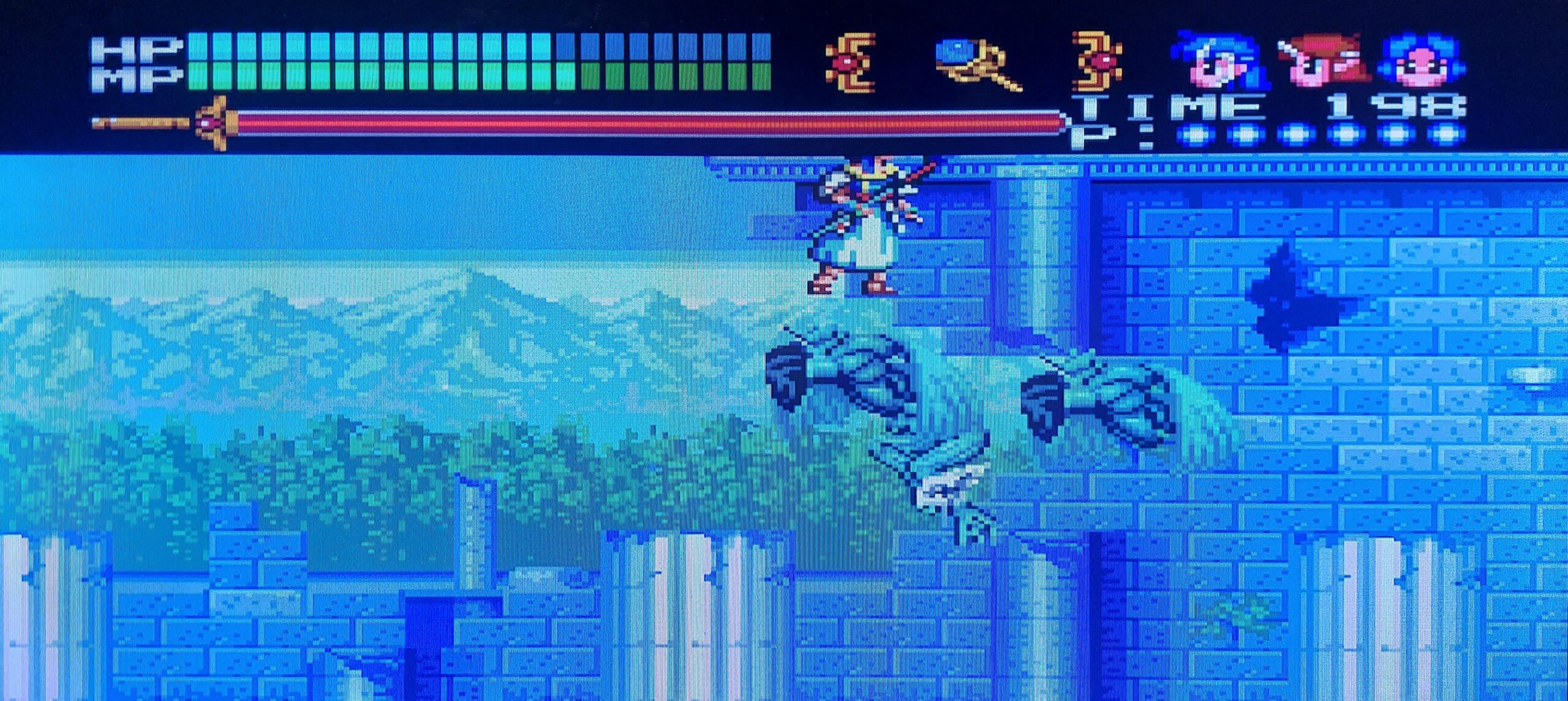
    One of the things I love about Valis III is that it doesn’t waste time dropping you right into the action. Shortly after reclaiming the Valis Sword, the rest of the game opens up, placing you in the heart of each stage.

    From there, you’re introduced to item boxes containing everything from Magic Point refills and Hearts to 1-Ups and powerful spells. Even though Fire Magic is the only spell available at the beginning, it’s still more than enough to bring Glames to his knees during your first encounter with him.

    Throughout the game, I never felt like I had to wait for it to become enjoyable because I was constantly discovering little details about each stage. After recovering the Valis Sword, enemies began appearing more frequently, but not to the point where I felt overwhelmed. The game gives you enough breathing room to explore before the next encounter begins.

    That balance is one of the reasons the pacing works so well. While the difficulty certainly increases, learning your moveset and taking advantage of the Rewind feature helps you improve instead of feeling punished for every mistake.

    The pacing of Valis III is one of its greatest strengths. The stages are relatively short, but they’re packed with enough variety that they never feel rushed or repetitive. Each level introduces new situations, different magic, and fresh challenges that encourage you to think about the best tool for the job.

    There were plenty of moments when I didn’t want to stop playing simply because I had figured out a clever way to overcome an obstacle, and I wanted to see what the next stage had in store.

    A perfect example comes from Sutherland (Stage 5). I found myself facing chasms that were too wide to jump or slide across. Instead of expecting impossible precision, the game provides Ice Magic, allowing you to freeze enemies and use them as platforms to cross safely. Valna is especially useful during this stage.

    That’s what I mean when I say Valis III respects the player’s time. It introduces a mechanic, gives you an opportunity to understand it, lets you use it effectively, and then moves on to the next idea.

    The stages never feel bloated with unnecessary filler or stretched out simply to make the game longer. Valis III knows exactly how much to give the player before moving forward, and that balance keeps the experience engaging from beginning to end.

    The Gameplay Is Addictive –

    The game’s most addictive quality is how it combines sword combat and magic into a single fighting style. For example, when you’re using Fire Magic as Yuko against an enemy or boss, the magical swords continue dealing damage while you’re attacking with the Valis Sword at the same time.

    Watching both forms of offense work together makes combat feel fast, satisfying, and rewarding.

    I have to admit, it caught me by surprise when I saw how each magic spell worked because every one of them serves a different purpose. While it could be argued that the game becomes a little repetitive after a few stages, Valis III does an excellent job of keeping things fresh.

    Take Els Forest (Stage 3) for example. You’re suddenly fighting crimson enemies that are nearly invisible while carrying spears, followed shortly afterward by giant flying jaws.

    Then, in Glames’ Tower (Stage 4), you’re dealing with heavily armored sentries whose sword attacks hit incredibly hard. I hated those jerks, but they forced me to change my approach. Instead of charging straight at them, I relied on Cham’s abilities to climb the tower and keep my distance whenever possible.

    Ironically, climbing the tower wasn’t nearly as frustrating as making my way through Sutherland (Stage 5), where I constantly had to fight against the rushing water to avoid being knocked into the pits below.

    Every stage introduces what I like to call its own little “puzzle.” In Sutherland, you’re figuring out how to cross wide chasms. In Stage 2, you’re learning how to reach areas you can’t simply jump across.

    In Stage 7, you’re trying to avoid sinking into quicksand. Those mechanics keep you pushing forward because every time you solve one challenge, another interesting obstacle is waiting just ahead. Even something as simple as enemies dropping Hearts to restore your health encourages you to stay in the fight instead of giving up.

    I also think the Rewind feature is one of the reasons the game is so difficult to put down. Every death and every mistake feels like something you can learn from instead of something that permanently sets you back.

    Rather than punishing failure, the game encourages experimentation and improvement. It puts control in the player’s hands and gives you the freedom to keep trying different approaches until you succeed.

    It’s no wonder I kept saying, “Just one more stage.” Before I knew it, one stage turned into two, and two turned into another twenty-five minutes of gameplay. Valis III constantly gives you something to anticipate. Whether it’s the next boss, a strange new enemy, or another magic spell to experiment with, the surprises keep coming. That’s exactly what makes the game so addictive.

    The Challenge Never Felt Like Frustration –

    Valis III stays challenging without becoming overwhelming because it never relies on simply throwing endless enemies at the player. Sure, some of the enemies can be a little over the top, but finding a way through each encounter is part of the fun.

    I enjoyed experimenting with different types of magic or discovering strategies that made certain situations much easier to handle. That’s one of the things I appreciate most about the game—it gives you the tools to take control of the challenge instead of making you feel helpless.

    Enemy patterns are another reason the challenge never became frustrating. I remember one boss in particular—I believe it was the Stage 2 boss. Most of the fight consisted of him talking trash before zipping around the screen while I patiently waited for the right opening to attack.

    His pattern was surprisingly easy to learn, and once I understood it, the battle became much more manageable. That’s what I enjoy about boss fights built around recognizable attack patterns. Even if I lose a few times, every attempt teaches me something new, and eventually that knowledge becomes the key to victory.

    Valis III also rewards patience and observation. Keeping an eye on your sword meter allows you to unleash its powerful wave attack at just the right moment, maximizing your damage against both regular enemies and bosses.

    Learning when to switch between Yuko and the other two heroines also adds another layer of strategy. Those mechanics kept me engaged because I always felt like the game was giving me the tools I needed to succeed. Victory never felt impossible—it simply required paying attention, learning the mechanics, and applying them when the time was right.

    Why Is Simplicity One of Valis III’s Greatest Strengths?

    Valis III knows how to deliver an exciting experience without overwhelming the player, and it accomplishes that by keeping everything simple. You enter a stage with your sword drawn, defeat enemies, collect items from treasure boxes, and continue progressing through the level.

    Eventually, you reach a boss, learn its attack pattern, develop a strategy, defeat it, and move on. There are no overly complicated objectives or constant backtracking.

    The gameplay remains focused on what it does best—fast-paced action with straightforward mechanics. That’s one of the reasons I appreciate Valis III so much. It reminds me that simplicity isn’t a weakness; it’s one of the game’s greatest strengths.

    Even the modern conveniences, like the Rewind feature and the ability to save whenever you want, don’t replace what already makes the game enjoyable.

    Instead, they enhance the experience by reducing unnecessary frustration while preserving the original gameplay. That’s an important distinction because those features don’t make Valis III a great game—they simply make an already great game even more accessible.

    One of the things I admire most about Valis III is its confidence. The game doesn’t try to overwhelm you with countless mechanics or systems. It introduces its ideas gradually, gives you time to understand them, and then lets you enjoy mastering them.

    I paid very little for the game, yet I got the same feeling of satisfaction that I’ve experienced with much larger titles like Chrono Trigger or Ninja Gaiden 3: Razor’s Edge. That’s proof that a game’s value isn’t measured by its size or complexity but by how enjoyable the experience is.

    Ultimately, Valis III demonstrates that great game design doesn’t have to be complicated. It rarely throws more at the player than they can reasonably handle, and the difficulty increases naturally instead of relying on sudden spikes.

    The result is a game that’s approachable without becoming boring and challenging without becoming frustrating. That’s the kind of simplicity I believe more games could learn from.city.

    Why Did I Keep Coming Back For More?

    Over the last couple of days, I’ve been working my way through Valis III, and honestly, there were several times when I didn’t even want to stop playing, even though I knew I needed sleep. Why? Because I became completely engrossed in the game. I kept wanting to know what was going to happen next.

    Whether it was the next stage, the next boss, or the next piece of the story, my curiosity kept pulling me forward. The game never made me feel rushed, yet it always gave me a reason to continue. There wasn’t a constant sense of urgency, but there was always enough mystery to make me say, “Just one more stage.”

    Completing each level only strengthened that feeling. Every stage I finished made me feel like I was getting closer to understanding what was happening and why everything had become such an emergency.

    At the same time, I always felt like the game was hinting that Yuko’s true power had yet to be revealed. That combination of curiosity and progression kept me completely invested in the adventure.

    One of the things that kept me engaged was the freedom to approach battles using my own strategies. The game never forced me into a single solution by saying, “You have to use this magic to win.”

    Instead, it gave me the tools and allowed me to decide how I wanted to overcome each challenge. That freedom made every victory feel like my own rather than the result of following a predetermined strategy.

    By the time I reached the later stages, I realized Valis III had done something that only a handful of games manage to accomplish—it consistently made me want to see what was around the next corner. Whether it was another boss, a new spell, or the next chapter of the story, the game always gave me another reason to keep playing. That’s exactly why I found it so difficult to put the controller down.

    Conclusion –

    To wrap things up, Valis III reinforced my belief that great games don’t have to be complicated to keep players engaged. One of the biggest reasons I enjoyed the game so much was its simplicity.

    You have a variety of magic abilities that complement different playstyles, while the boss battles feature attack patterns that are easy to learn and encourage you to develop your own strategies.

    There’s nothing overly complicated about fighting your way through the game. It’s simply you, your sword, your companions, and whatever challenge lies ahead.

    Speaking of companions, each heroine brings her own strengths to the adventure, giving you a reason to think about which one best fits the situation. Valna excels at long-range attacks, Cham is excellent in medium-range combat, and Yuko provides a balanced approach.

    Combined with the game’s excellent pacing, you’re always given just enough information and gameplay to make you want to keep moving forward. After each boss battle, the story reveals another piece of the adventure, giving you another reason to see what happens next.

    What impressed me most about Valis III is how naturally it encourages you to come back for one more stage. Much like classics such as Super Mario Bros. 3 and Contra: Operation Galuga, the game knows exactly how long it should be.

    It never feels stretched out, nor does it end before it’s ready. Everything about the experience feels deliberate, and that’s one of the reasons it remained enjoyable from beginning to end.

    Despite being more than three decades old, Valis III still deserves to be played today. It offers engaging gameplay, memorable level design, and a pace that provides a welcome break from many of today’s larger, more demanding games.

    It doesn’t rely on flashy presentation or endless mechanics to impress the player. Instead, it succeeds by doing the fundamentals exceptionally well.

    I hope you’ll give Valis III a chance—not simply because it’s a remastered classic, but because it’s proof that great game design never goes out of style. If you’re looking for an action game that’s easy to get into, difficult to put down, and respectful of your time, Valis III deserves a place in your collection.

    Continue the Adventure

    If you enjoyed reading about why Valis III is so easy to get lost in, I’ve put together a Benable list featuring more action games that are just as difficult to put down. Whether you’re looking for classic adventures or modern action titles, you’ll find plenty of recommendations to continue your gaming journey.

    https://benable.com/RoddyMcG/classic-action-games-that-are-impossible-to-put-down

  • A Great Game Can Still Burn You Out!

    A Great Game Can Still Burn You Out!

    Intro –

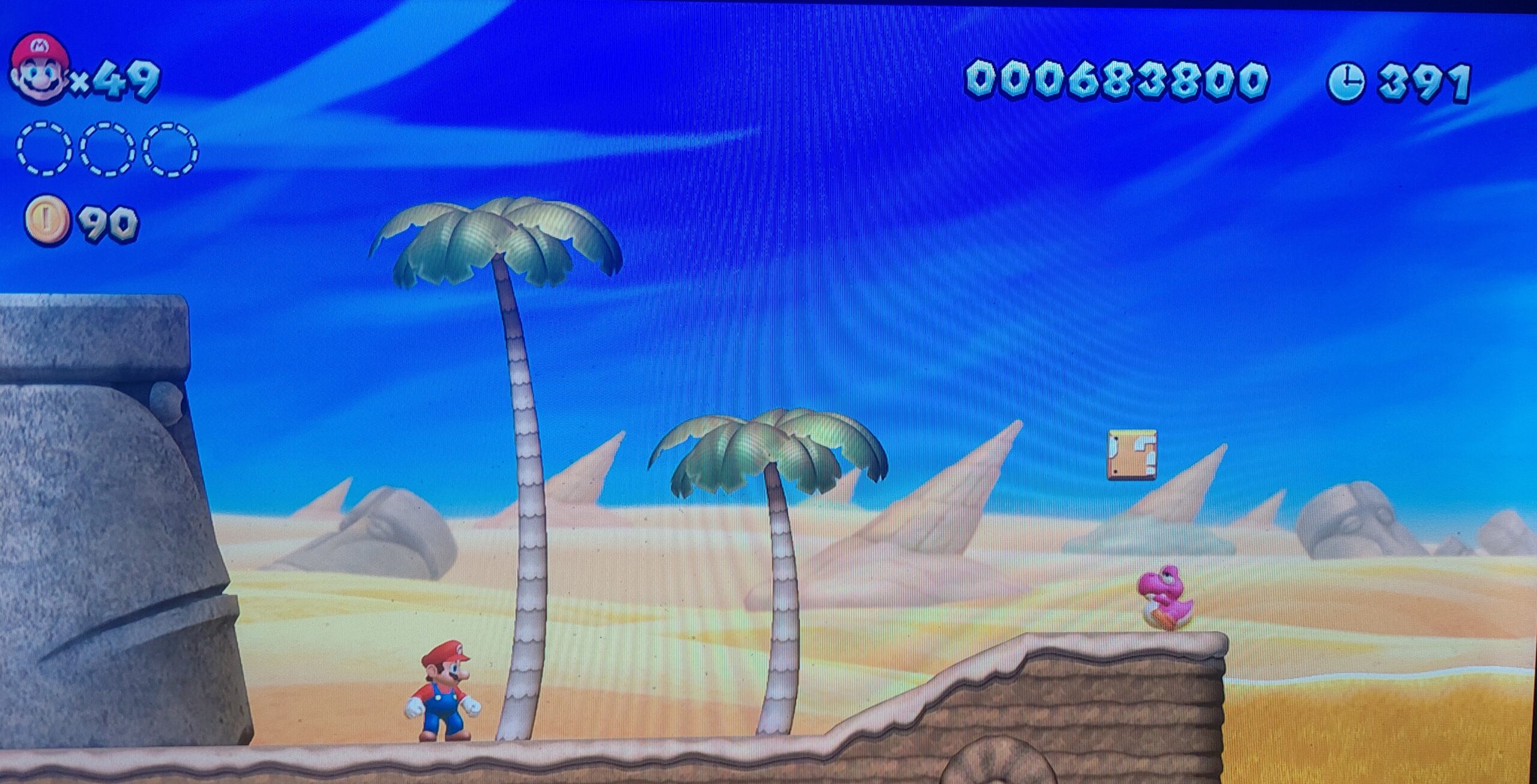
    You know, it’s not every day we gamers come across a game so awesome that it eventually becomes mentally exhausting. One of the biggest reasons is burnout, and that’s exactly why I’m writing about it today. Burnout is a very real thing that many gamers don’t seem to put much stock in. Sure, I could have turned this into a game review, but this topic took precedence, especially since I recently experienced it myself while playing Super Mario Bros. U Deluxe.

    Now, don’t get me wrong—the game isn’t bad by any means, and I genuinely enjoyed it. However, there were times when I felt overwhelmed by the amount of content and the way the game demanded long play sessions.

    That’s one of the reasons I loved Super Mario Bros. 3 so much. It provided the right kind of challenge without becoming mentally exhausting. Something that would normally take five or ten minutes in another game often turned into a much longer session.

    Eventually, I reached a point where I felt like I simply needed to step away for a while because the game had drained my energy. Before this experience, I never really thought there was much of a difference between disliking a game and being burned out by one. After playing Super Mario Bros. U Deluxe,

    I realized there absolutely is. Today, I want to help you understand that just because a game is good and keeps your attention doesn’t mean you can’t become burned out by it. In fact, you absolutely can—and recognizing the signs may help you avoid that same experience in the future.g the same when it comes to other games you play.

    Liking a Game Doesn’t Mean You’ll Always Want to Play It –

    When I first sat down to play Super Mario Bros. U Deluxe, one of the things I enjoyed most was the level design and how easy it was to collect the Star Coins without overcomplicating the process.

    I also liked how different power-ups, such as the Super Acorn and Ice Flower, made navigating the levels feel fresh and enjoyable. However, as I progressed through the game, I began to notice that some of the levels seemed to drag on much longer than I expected.

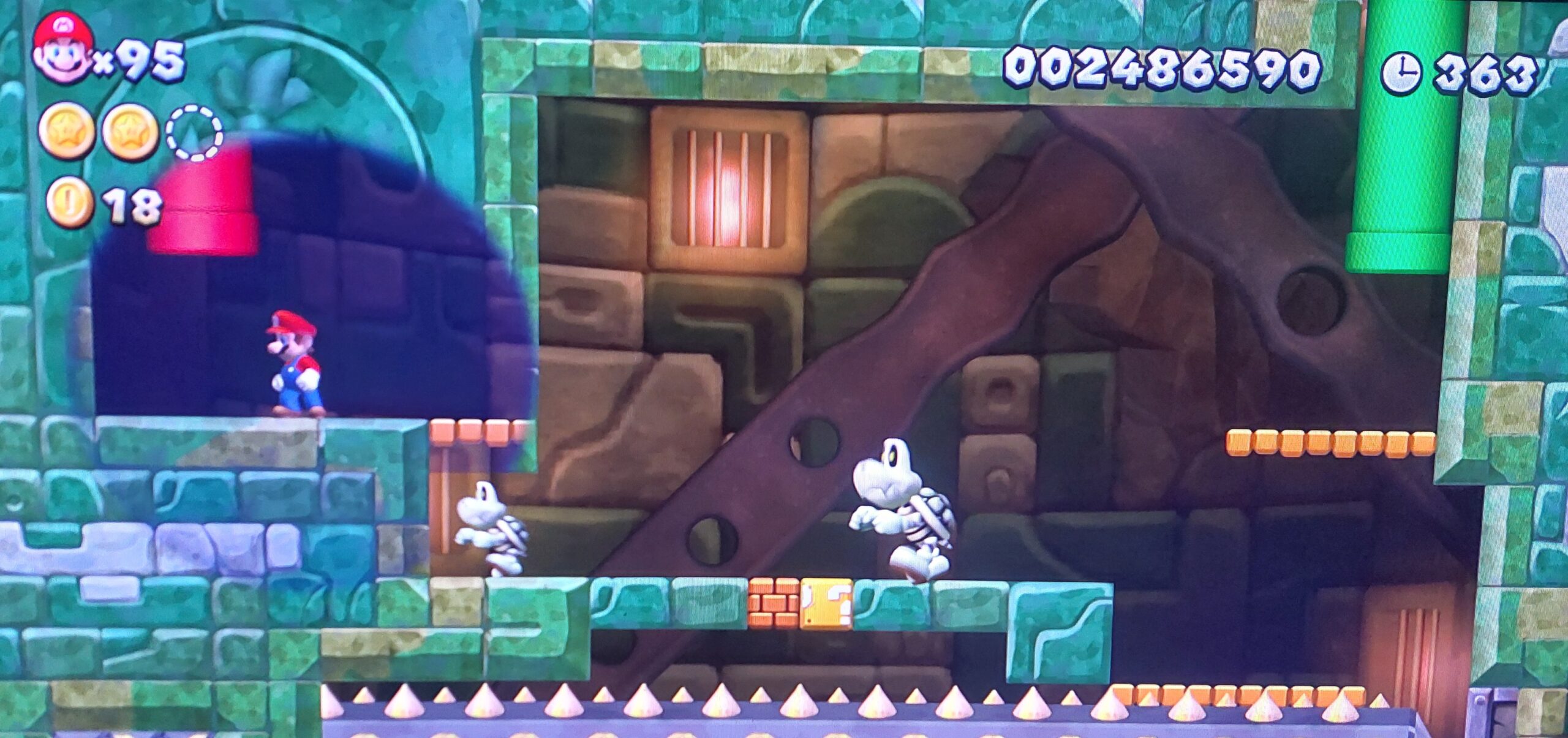
    One example was the number of pipes you had to travel through just to reach another section of a level or collect a Star Coin. I especially felt this way during the Secret Levels, which, if I’m being honest, became mentally exhausting.

    It wasn’t enough to simply complete a level—you also had to collect every Star Coin, and that often meant returning later to replay sections just to grab the ones you missed during your first run.

    There were times when I felt so mentally exhausted that I simply wanted to put the game down and play something else. Burnout and disliking a game are not the same thing.

    A game can be genuinely good while also making you feel like jumping back into it isn’t an immediate priority. What made this even more noticeable was that, even after returning to collect everything I had missed, I still didn’t feel excited to continue.

    Make no mistake, I still believe Super Mario Bros. U Deluxe is a good game and, under the right circumstances, one that’s absolutely worth playing. It teaches you to think outside the box because every challenge is different and no two levels are exactly alike.

    I can appreciate that. However, my burnout reached a point where taking a break felt like the better decision because finishing the game was no longer the priority—recovering my enjoyment of it was.ecomes my job instead of enjoying the game.

    The Save System Became the Biggest Obstacle –

    The save system—or, more accurately, the lack of a traditional one—ultimately hurt the experience for me. I’m used to playing games that allow me to save after reaching certain checkpoints or automatically save my progress after significant moments.

    With Super Mario Bros. U Deluxe, however, I constantly felt like I was racing to reach a point where I could use the Quick Save feature before calling it a day. While Quick Save technically worked, it never felt like a true save system.

    The problem was that Quick Save only suspended the game instead of permanently saving my progress. If I forgot to use it before quitting, hours of progress could disappear instantly.

    That simply wasn’t an option for me because, as I mentioned earlier, being able to save allows me to recover from mental exhaustion without worrying about losing everything I’ve accomplished.

    For example, Black Myth: Wukong gave me regular opportunities to save my progress, allowing me to step away, recharge, and come back feeling refreshed. That system helped prevent burnout instead of encouraging it. In Super Mario Bros. U Deluxe,

    I often found myself replaying Koopaling Castles and Boom Boom Towers simply so I could create a permanent save without worrying about losing my progress.

    What made this especially frustrating was that I had to repeat this process every time I wanted to end a play session. It wasn’t enough to fight through a difficult level and collect all three Star Coins—I also had to clear a tower or castle before the game would allow me to make a permanent save.

    Over time, that routine became mentally exhausting. At that point, burnout became a very real possibility, and finishing the game in one sitting no longer felt like a realistic or enjoyable goal.

    Sometimes the Best Decision Is to Step Away –

    As a countermeasure to break up the game’s monotony and recover from burnout, I decided to start playing Valis III. I made that decision because I had reached a good stopping point in Super Mario Bros. U Deluxe. Even if I didn’t finish it until after beating Valis III, I knew I’d still be in good shape.

    Playing Valis III gave me something completely different to enjoy. Instead of another long platforming session, I was slashing enemies with a sword, using magic, and experiencing a faster-paced game. It was exactly the change of pace I needed.

    Taking a break helped me realize that just because a game is giving you everything you can handle doesn’t mean you have to force yourself through it in one sitting. Allowing yourself time to recover from mental exhaustion is just as important as wanting to finish the game itself.

    After stepping away, I found that I could appreciate Super Mario Bros. U Deluxe again because I was no longer trying to push through burnout. Like many gamers, I used to believe that walking away from a game before finishing it meant quitting. I eventually realized that wasn’t true.

    Stepping away from a game isn’t quitting. Real determination is recognizing when you’ve reached your limit and giving yourself permission to come back later with a fresh mind. Most games today are capable of demanding a lot from players, and there’s nothing wrong with acknowledging that.

    In fact, taking a break may be one of the best things you can do because it increases the chances that you’ll actually enjoy finishing the game instead of forcing yourself through it.

    For me, that lesson became clear once I reached Peach’s Castle. I was burned out after making my way through Meringue Clouds, so instead of forcing myself toward Bowser, I came up with a better plan. I’d play one or two levels of Peach’s Castle, stop for a while, spend some time with Valis III, and then return to Mario later.

    The goal wasn’t to rush to the ending—it was to enjoy the journey. I realized I didn’t have to sprint to the finish line when I could simply walk there at my own pace.n not to.

    Challenge Isn’t The Same as Burnout –

    Over the years, I’ve played my fair share of difficult games, but very few of them have ever felt mentally exhausting. One of the biggest differences is the ability to save my progress.

    I remember playing Elden Ring, a game that was difficult in its own right, but being able to save whenever I reached a Site of Grace gave me a reason to keep going despite its difficulty. I could stop, recover, and come back whenever I was ready.

    Exhausting games, on the other hand, can make you feel like you’re constantly grinding just to reach a point where it’s finally safe to stop. Looking back on my Super Mario Bros. U Deluxe playthrough, that’s exactly how I felt.

    Every level became another push to collect all three Star Coins while avoiding obstacle after obstacle. I never felt that way while playing Elden Ring or Valis III because those games constantly introduced new situations, keeping the experience fresh instead of repeating the same challenges over and over.

    I always wanted to keep playing because I was eager to see what came next, learn new mechanics, and come up with different ways to overcome each challenge.

    I wasn’t simply chasing a collectible and trying to escape by the skin of my teeth. For me, a challenge is most enjoyable when a game gives you different tools and strategies to overcome obstacles rather than making every solution feel repetitive.

    From my perspective, game design plays a major role in creating that feeling. The best games offer more than simply running, jumping, attacking, or surviving. They encourage you to think differently from one situation to the next. Instead of asking the same question every level, they constantly present new ones.

    That’s what keeps me engaged—not just because the game is difficult, but because every challenge feels like a new opportunity to learn rather than another obstacle to endure.e cliffs while you’re down to your last 50 seconds on the clock as you’re facing surrounding enemies but not on every level, but you a chance to really understand how to lay out the land while enjoying the experience.

    Variety Can Keep The Game Fun –

    After spending hours playing Super Mario Bros. U Deluxe and eventually needing to step away, I decided to spend some time with Valis III. I needed something different to get my head back in the game and recover from the burnout I had been feeling.

    That change of pace gave me exactly what I needed because, instead of forcing myself through another long Mario session, I was experiencing a completely different style of gameplay.

    I’ve always been the type of gamer who sticks with a game until I beat it, but Super Mario Bros. U Deluxe became one of the longest experiences I’ve ever had. That’s saying a lot considering I’ve completed games like Final Fantasy VII Rebirth, yet I never felt nearly as burned out playing that.

    That experience taught me that simply spending a long time with a game isn’t what causes burnout. Sometimes it’s the way a game is structured and how repetitive it begins to feel over time.

    Variety gives you something to look forward to. Whether it’s the next game in your backlog or one of your all-time favorites, changing things up gives your mind a chance to reset.

    For example, if I had been spending dozens of hours with Final Fantasy VII Crisis Core, I’d probably want to jump into Ninja Gaiden Sigma for a while because of its fast-paced action and strategic combat. The important thing is that I’m not abandoning Crisis Core—I’m simply taking a break so I can come back refreshed and ready to finish it.

    Gaming requires a significant investment of time, especially with RPGs and long adventure games. That’s why variety is so important. It reminds you that you don’t have to force yourself through burnout just to reach the ending. Instead, you can step away for a while, enjoy something different, and return with a fresh perspective.

    In the long run, I believe that approach actually increases my chances of finishing the games I start because I’m preserving my enjoyment instead of exhausting it.

    Going forward, I think this lesson will have a lasting impact on how I approach gaming. Staying focused on finishing a game is still important to me, but pacing myself with a little variety can keep my motivation high while preventing burnout.

    I still want to reach the ending, but now I also recognize the importance of taking a breather when I need one. Ironically, giving myself permission to step away may be one of the best ways to make sure I eventually cross the finish line.

    Conclusion –

    So, to wrap things up, the biggest thing I want you to take away from this article is that perseverance should never be confused with endlessly grinding through a game. Instead, make it your goal to find some variety while working through those longer adventures because that variety gives you one of the most important tools you can have: focus.

    More than likely, the game you’re playing is something you genuinely love, but that love doesn’t have to turn into burnout. From experience, I can tell you that it absolutely can if you let it.

    Personally, this experience taught me that long gaming sessions can be incredibly demanding, but giving yourself permission to step away and recover is just as powerful as pushing forward.

    Recovery isn’t failure—it’s a necessary part of the process. You’re not walking away forever; you’re simply taking enough time to remember that there are other games that can help break up the monotony before you return.

    Sometimes we gamers forget that enjoying a game is just as important as finishing it. If we’re so focused on reaching the ending that we stop enjoying the journey, we’ve missed part of what makes gaming special.

    Take the time to preserve that enjoyment because, even if you come back to a game years later, you’ll remember the fun you had far more than the progress you didn’t make during your last play session.

    Feeling burned out by a game you actually enjoy? You’re not alone. I put together this Benable list featuring the games I rely on whenever I need a change of pace. Whether it’s a fast-paced action game or a classic platformer, these are the titles that help me recharge, stay motivated, and return to longer adventures with a fresh perspective.

    https://benable.com/RoddyMcG/87f72766351c11b3e1d4

  • Why Walking Away Sometimes Makes You A Better Gamer!

    Why Walking Away Sometimes Makes You A Better Gamer!

    Intro –

    Sometimes walking away from a game doesn’t mean you’re walking away forever. It doesn’t have to. In fact, taking a break can have a benefit that many gamers never stop to think about—it can give you a completely new perspective on how to approach a challenge.

    I recently jumped back into Super Mario Bros. U Deluxe on my Nintendo Switch after taking a short break, and I immediately noticed something. I wasn’t just playing the game again; I was playing it differently.

    Many of the game’s levels aren’t particularly difficult. The objective is simple enough: collect the Star Coins, reach the end of the stage, and move on.

    The secret levels, however, are a different story.

    After spending time battling through a few of them, I came to a realization: sometimes the smartest thing you can do is walk away and come back later.

    That isn’t about avoiding a challenge.

    It’s about refusing to let one difficult level ruin the enjoyment of the entire game.

    After all, I’d already invested a lot of time into Super Mario Bros. U Deluxe, and I genuinely loved the progress I was making. My goal was to finish the game, not let one optional level dictate my entire experience.

    That’s the point I want to make today.

    When you’re playing a game like Super Mario Bros. U Deluxe, perseverance will always outweigh unnecessary frustration. Knowing when to step away from a difficult challenge doesn’t make you a weaker gamer.

    Sometimes it takes even more perseverance to recognize when it’s time to move forward and return later.

    When Does Persistence Stop Being Productive?

    I want to go on record as saying that I’m a stubborn son of a bitch when it comes to video games. My never-say-die attitude and strategic approach have always been enough to get me through just about any game I’ve played.

    Persistence is never a bad thing because it shows you care enough about a game to want to finish it. But there are times when, no matter how hard you push, your productivity eventually begins to drop.

    You reach a point where simply crawling away from a level becomes your greatest accomplishment.

    That’s exactly what happened to me during the Secret Level, Flight of the Para-Beetles. I tried over and over again to get through that level, but after so many failed attempts, I realized I wasn’t having fun anymore.

    I refuse to let one level ruin an entire game for me.

    After my fourth or fifth death, I simply walked away. Besides, my goal isn’t to 100% the game. My goal is to have fun, learn from the experience, make it through the adventure, and ultimately beat it.

    With seven massive worlds to explore, I wanted to experience everything the game had to offer. That one secret level was nothing more than a pimple on the larger face of the game.

    Walking away from it restored my sense of calm and reminded me that the level wasn’t going anywhere. If I decide to come back later, it’ll still be there waiting for me.

    Always remember, the goal is to have fun. If a level gets to the point where it’s doing nothing but frustrating you, don’t be afraid to walk away. Sometimes the best way to move forward is to leave that challenge for another day.

    Why Don’t I Need to Beat Everything Right Away –

    To put a finer point on my persistence versus unnecessary frustration, I want to explain why I’m comfortable leaving certain levels alone if they start becoming too much.

    The thing is, it isn’t that they’re impossible.

    They’re designed to challenge you, and sometimes they’re designed to frustrate you just enough to make you question whether it’s worth continuing.

    My answer is simple.

    That one level isn’t the whole game.

    I don’t have to spend thirty minutes throwing myself at the same obstacle only to make little or no progress. I’d rather acknowledge the challenge, leave it alone for a while, and continue enjoying the rest of the adventure.

    That’s exactly what I did with Flight of the Para-Beetles.

    Instead of letting one optional level dictate my entire experience, I moved on to the rest of Super Mario Bros. U Deluxe, continued making progress, and eventually found myself reaching World 6: Rock Candy Mines. Had I stayed there beating my head against that one level, I would’ve missed everything the game still had waiting for me.

    I’ve applied that same mindset to other games as well. In Black Myth: Wukong, I stepped away from Yin Tiger after realizing I wasn’t ready. Later, I came back, defeated him, and even beat him a second time to prove it wasn’t a fluke.

    That experience reinforced the same lesson.

    Optional challenges can wait.

    The main adventure doesn’t have to.

    Walking away from an optional challenge isn’t giving up.

    It’s simply saying,

    “I’ll deal with you later.”

    There’s no shame in that. Sometimes taking a step back is exactly what keeps you from rage-quitting altogether, and that’s a line I’ll never cross.

    What I Focus on Instead of Perfection –

    Progression opens the world within a game. Perfection simply puts a finer point on it, but it isn’t necessary.

    I’ve spent a good amount of my time in Super Mario Bros. U Deluxe working my way through its many levels because, despite the hardship and struggles I’ve faced, it’s a genuinely fun and rewarding game.

    Perfection, on the other hand, can eventually get in the way of enjoying it.

    I think about that every time I sit down to play. Instead of making it my life’s work to uncover every hidden path, collect every item, or conquer every secret level before moving on, I focus on progressing through the adventure itself.

    Forcing a 100% completion isn’t what makes a playthrough memorable.

    It turns it into a marathon.

    I’ve learned that lesson the hard way over the years, and it’s not how I want to experience games anymore. Eventually, I had to ask myself one simple question:

    “Does the 100% matter to the game, or does it only matter to me?”

    That question changed everything.

    Focusing on enjoying Super Mario Bros. U Deluxe is what makes it such a great game. Even if I never complete another secret level, the Star Coins hidden within them won’t define my experience.

    By simply progressing through the adventure, I’ll already have collected more than enough to feel satisfied with my journey.

    Ultimately, that’s what makes Super Mario Bros. U Deluxe so enjoyable.

    One or two over-the-top levels aren’t enough to ruin an otherwise fantastic game.

    Think about that for a moment.

    Why Super Mario Bros. U Deluxe Is Such a Fun Platformer –

    I’ve been playing Super Mario Bros. games for as long as I can remember, and they’ve always kept me coming back because there was always something new to learn or another obstacle to overcome.

    Take Jungle of the Giants (5-1), for example. The enemies are enormous, and the usual methods of defeating them no longer work as efficiently. Where one or two fireballs from Fiery Mario might normally get the job done, these oversized enemies can take four or five before finally going down.

    That’s what I enjoy about games like Super Mario Bros. U Deluxe.

    Every level teaches you something.

    Whether it’s learning how far Mario can jump, figuring out the safest way to cross a dangerous section, or discovering a new way to approach an obstacle, every success adds another piece to your understanding of the game.

    To me, that’s mastery.

    I want to reach the point where I understand everything the game is trying to teach me—from the timing of difficult jumps to the spacing between platforms. Shutting myself off from opportunities to learn isn’t an option because every lesson eventually pays off somewhere else.

    That’s why I enjoy the level design so much.

    Take Bridge over Poisoned Waters (5-2). At first glance, the poisonous water seems unfair because touching it means instant death. But once you slow down and observe the level, you realize there’s nothing there that you can’t overcome with good timing and careful platforming.

    The game gives you just enough room to succeed.

    The rest is up to you.

    That’s what I’ve grown to appreciate throughout my journey to World 6: Rock Candy Mines. Every world has introduced another lesson, another obstacle, and another opportunity to become a better player.

    I think the Star Coins represent that philosophy better than anything else.

    Some are sitting out in the open, while others require you to think outside the box, explore, and experiment before you can reach them. Those are the moments that continue to make Super Mario Bros. U Deluxe such a rewarding game to play.

    There is One Thing I Would Change About The Game –

    It cannot be argued that Super Mario Bros. U Deluxe is a great game. Like any game, however, it isn’t without its flaws, and the biggest one for me is the item reserve system.

    While I appreciate having a reserve slot for emergencies, I often found myself making unnecessary decisions about which power-up I wanted to keep and which one I had to leave behind.

    I understand why Nintendo designed it that way.

    Resource management is part of the challenge.

    But I also think the game would’ve benefited from allowing players to carry one or two additional reserve items without making the experience any easier.

    Eventually, I stopped worrying about replacing every item I found. Instead, I simply waited until I had used most or all of my stored power-ups before collecting more.

    That approach made managing my inventory much less frustrating and allowed me to focus on what mattered most—playing the game.

    Additional item storage wouldn’t have removed the challenge.

    It simply would’ve given players more flexibility in deciding when to use those items rather than forcing difficult decisions every time another power-up appeared.

    Even with that one criticism, it never took away from what made Super Mario Bros. U Deluxe enjoyable.

    The game’s level design, platforming, and constant sense of progression always outweighed the inconvenience of the limited item reserve.

    What Super Mario Bros Deluxe U Taught Me –

    Levels become harder the farther you progress, but they’re always doable. After spending nearly four days with Super Mario Bros. U Deluxe, I learned something that I’ll carry into every platformer I play.

    Walking away from a difficult secret level is sometimes the smartest decision you can make.

    Even if you have no intention of collecting every Star Coin or reaching 100% completion, there’s still an incredible adventure waiting for you.

    As I’ve said before, walking away from one level doesn’t ruin the game.

    If anything, it gives you another reason to keep moving forward because most of the levels that follow aren’t nearly as frustrating as the one you decided to leave behind.

    That’s what’s always helped me keep my composure while playing games.

    I believe every obstacle can eventually be overcome, but only if you’re willing to put in the work and recognize when it’s time to step back for a while.

    Sure, it would be easier to look for shortcuts or ways to bypass a difficult challenge, but that’s never been my approach.

    I’d rather give a level everything I’ve got before deciding,

    “I’ll come back later.”

    That way, one optional challenge never prevents me from experiencing the larger adventure waiting ahead.

    The next time I sit down to play, I’m excited to continue from where I left off instead of dreading the same level over and over again.

    That’s what Super Mario Bros. U Deluxe reminded me.

    The journey is more important than forcing every challenge the moment you encounter it.

    For me, the real reward isn’t reaching 100%.

    It’s becoming a better player than I was when I started.

    Conclusion –

    To wrap up, Super Mario Bros. U Deluxe taught me that sometimes the smartest thing you can do is walk away from a difficult challenge—not forever, but long enough to come back with a fresh perspective.

    When the going gets tough, fight through it until you honestly feel you’ve given it everything you’ve got.

    Enjoy the game, learn from your mistakes, and know where to draw the line. If a level is beating you down, step away, come back later, and study what’s getting the better of you. Patience goes a long way.

    More often than not, time away from a difficult level is exactly what gives you the strength and confidence to beat it later.

    That’s a lesson I’ve followed for years, and I hope it helps you too because, at the end of the day, gaming is a hobby that’s meant to be enjoyed. Nothing should ever stand in the way of that enjoyment.

    Super Mario Bros. U Deluxe became another reminder of the philosophy I’ve come to live by:

    Love it. Leave it. Then leave it alone.

    Sometimes, that’s exactly what it takes to keep a level head instead of a hot one.hat enjoyment.

    This game is a true testament to my strategy of love it, leave it then leave alone which has helped maintain a leveled head instead of a hot one.

    If Super Mario Bros. U Deluxe reminded me of anything, it’s that the best gaming experiences don’t come from forcing perfection—they come from making steady progress, learning from every mistake, and enjoying the journey along the way.

    If you’re looking for more platformers that reward persistence, smart level design, and the satisfaction of overcoming tough challenges without sacrificing the fun, be sure to check out my accompanying Benable list.

    I’ve put together a collection of games that capture that same feeling and may just become your next great adventure.

    https://benable.com/RoddyMcG/platformers-that-reward-persistence-not-perfection

  • Why Final Fantasy 3 Wasn’t The RPG I Was Looking For!

    Why Final Fantasy 3 Wasn’t The RPG I Was Looking For!

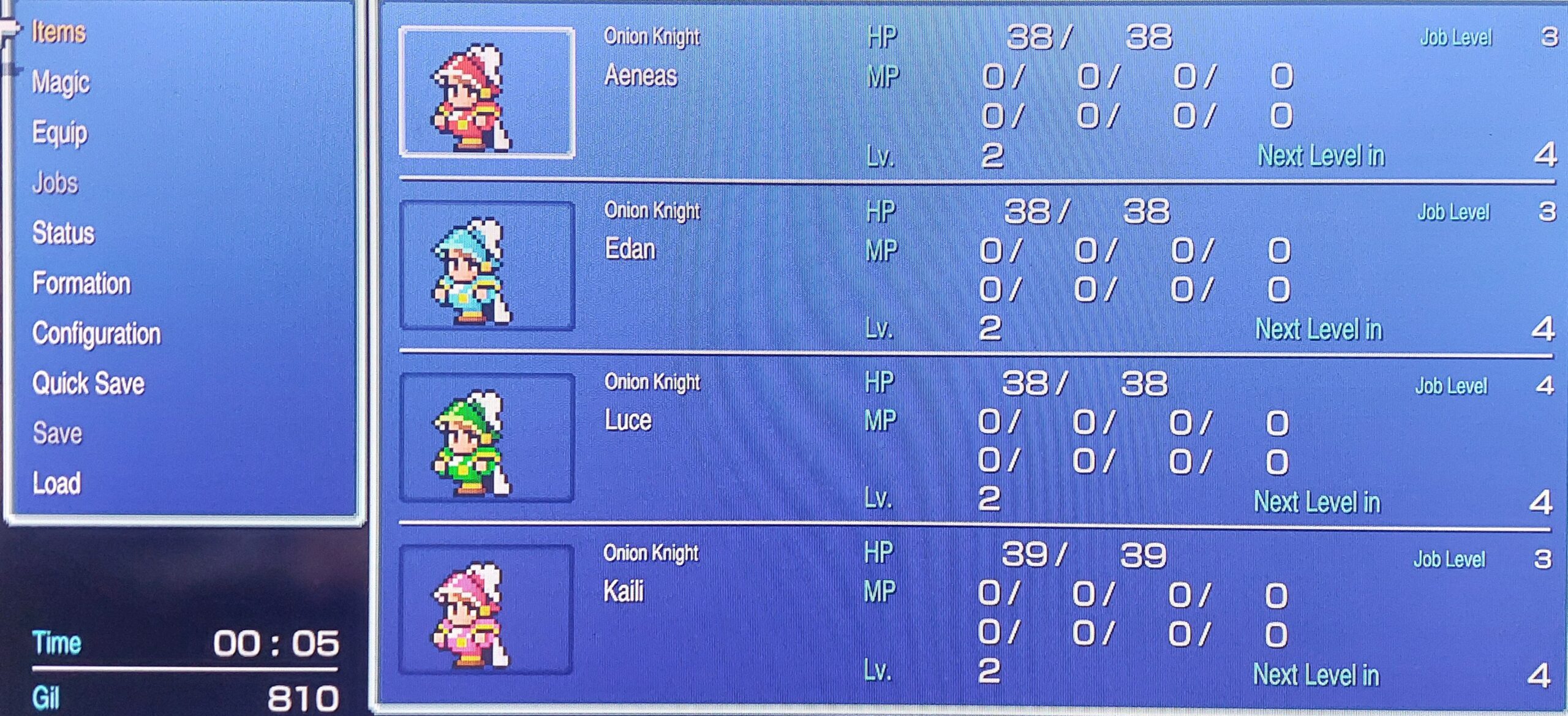
    There’s a saying that goes, “Just because something is popular doesn’t mean it’s for everyone.” I think that’s one of the biggest lessons I learned while playing Final Fantasy III Pixel Remaster. Going into the game, I expected another memorable journey through one of gaming’s most beloved RPG franchises.

    After all, I’d already played several Final Fantasy titles over the years, and many of them had become some of my favorite gaming experiences. I figured this would simply be another classic adventure to add to that list.

    Instead, I walked away with something completely different.

    That doesn’t mean Final Fantasy III is a bad game. Far from it. It’s a game that helped shape the future of the series and introduced ideas that would influence RPGs for years to come.

    I can appreciate its place in gaming history and understand why so many fans continue to speak highly of it. But appreciation and enjoyment aren’t always the same thing.

    As I spent more time with the game, I slowly realized that it wasn’t the game itself that was the problem. The problem was my expectations and, more importantly, how my own tastes as an RPG player have changed over the years.

    What once may have appealed to me no longer did. The more I played, the more I realized I wasn’t looking for the same kind of experience that Final Fantasy III was designed to offer.

    Sometimes a game teaches you more about yourself than it does about the game. That’s exactly what happened here. Final Fantasy III didn’t make me question whether it was a good RPG. It made me question what I truly enjoy in an RPG today.

    Looking back, I don’t regret playing it at all because it helped me better understand the type of adventures I look forward to and the kind of gameplay that keeps me invested from beginning to end.

    Final Fantasy III Was Different from Other RPGs, but Bad – Different –

    One of the things that made many classic RPGs so enjoyable was the freedom to replenish your resources. Whether it was restoring health with Potions or refilling magic with Ethers, most games eventually gave you reliable ways to stay in the adventure. Then there’s Final Fantasy III, which decided to do things very differently.

    The biggest offender for me was the spell charge system.

    There are no Ethers in the game. None.

    Instead, every spell you learn belongs to a specific spell level, and each level has a limited number of uses. Let’s say you only have six Level 1 spell charges. That means you can only cast spells from that tier six times before you’re completely out and forced to find an inn to recover them.

    Get that shit out my face, bro!

    Seriously, fifteen-year-old me would’ve been just as frustrated. This isn’t what I wanted from an RPG, especially one that’s considered one of the foundational entries in the Final Fantasy series. I expected more from the Pixel Remaster, and instead I found myself constantly babysitting my magic instead of enjoying the adventure.

    The resource management only made things worse. As someone who’s spent years playing RPGs, I know exactly what I enjoy: exploring, experimenting, and using my abilities without feeling like every spell has to be saved for an emergency.

    Final Fantasy III constantly pushed me in the opposite direction. Resources felt scarce, Elixirs were incredibly rare, and without Ethers there was no practical way to replenish magic outside of resting at an inn.

    The irony isn’t lost on me. The game gives you one of the rarest recovery items in RPG history—the Elixir—but leaves out one of the most useful: the Ether. To me, that’s a baffling design choice.

    What bothered me even more was being locked into a small selection of spells. If I wanted Fire, Blizzard, and Aero, those were my options until I decided to swap them out. Want to use Fira, Thundaga, or another spell later? Time to reorganize your spell list all over again.

    That’s where the game completely lost me.

    Winning a difficult boss fight with the perfect spell should feel satisfying. Instead, I found myself thinking about reorganizing my spell setup for the next battle. That constant maintenance pulled me out of the adventure and turned what should have been exciting victories into extra busywork.

    For me, that wasn’t challenging.

    It was simply exhausting.

    Constant Conservation Killed the Game –

    It cannot be argued that every RPG is created differently, and that’s perfectly fine. Variety is one of the reasons the genre has remained so popular over the years.

    But the constant need to conserve resources throughout Final Fantasy III ultimately killed the experience for me. Instead of enjoying the adventure, I found myself saving nearly everything because there always seemed to be a bigger threat waiting around the corner.

    That’s one of the biggest reasons Final Fantasy III wasn’t the RPG I was looking for.

    The game places a tremendous emphasis on conservation. High Potions, Phoenix Downs, and spell charges all felt too valuable to use freely because there was always the possibility that the next dungeon or boss would demand even more from me.

    Suddenly, every decision became a gamble. Do I use my last High Potion now and keep my party alive, or do I save it because the next battle might be even worse?

    On paper, that’s an interesting form of resource management.

    For me, it became exhausting.

    The problem only became more noticeable while exploring the world map. Instead of getting excited about discovering new towns or dungeons, I found myself constantly checking my inventory, counting my supplies, and wondering if I had enough resources to survive whatever came next.

    The exploration itself became more stressful than many of the enemies I was fighting.

    There were moments where I’d be walking through the world thinking, “I’d better check my supplies… great, I’m out of High Potions, and I just used my last Elixir on that giant enemy with 1,500 HP. Yeah… good for me.”

    That wasn’t the feeling I wanted from an RPG.

    I want exploration to create curiosity, not anxiety. I want to think about the next town, the next story moment, or the next boss—not whether I’ve conserved enough resources to justify taking another step.

    For me, that’s where Final Fantasy III lost much of its magic.

    My Fight With Gutsco, Kind of Blah –

    One battle that perfectly summed up my experience with Final Fantasy III was the fight against the Demon of Fire, Gutsco. Going into the battle, I expected a fairly straightforward encounter. Fire enemies are naturally weak to Ice magic, so I figured I’d simply exploit his weakness and move on.

    It wasn’t that simple.

    At the time, I only had one Black Mage capable of casting offensive magic. While Blizzard spells were exactly what the fight called for, they were also limited by the spell charge system.

    Since Blizzaga belonged to a higher spell tier, I only had a handful of casts before my mage was completely drained.

    That left me in an awkward position.

    Do I spend my remaining spell charges now and hope it’s enough to finish the battle, or do I hold back and risk dragging the fight out even longer?

    The boss itself wasn’t what frustrated me.

    The magic system was.

    Ironically, when I later sat down to write my strategy guide for Gutsco, I realized how little there was to say.

    My advice basically came down to:

    “Use your Ice spells.”

    That was it.

    There wasn’t some elaborate strategy, clever mechanic, or interesting decision to explain. The battle simply expected me to use the correct elemental spell until the boss went down. The problem wasn’t figuring out what to do—it was having enough spell charges to keep doing it.

    That’s when everything finally clicked.

    I realized Final Fantasy III wasn’t challenging me in the way I enjoy. It wasn’t asking me to develop better strategies or adapt to creative mechanics. Instead, I found myself worrying about conserving spell charges and squeezing every last bit of magic out of my Black Mage.

    Gutsco wasn’t the moment I realized the boss was difficult.

    He was the moment I realized the game’s resource management simply wasn’t the kind of RPG experience I was looking for.

    The RPG Player I’ve Become Over The Years –

    Over the years, I’ve developed very high standards when it comes to RPGs. Games like Final Fantasy VII, Final Fantasy IX, and Chrono Trigger are the reason I became the RPG fan I am today. Those weren’t just games I played—they helped shape what I look for every time I pick up a new adventure.

    Those games didn’t impress me because they were long.

    They impressed me because they were simple.

    You attacked. The enemy attacked. You managed your Magic Points, learned new abilities naturally as you leveled up, and the game trusted you to experiment with everything it gave you.

    There were very few surprises in how those systems worked, which meant I could spend more time enjoying the adventure than trying to understand the mechanics.

    That’s exactly the kind of RPG experience I enjoy.

    Another thing I appreciated was how those games rewarded progression. Instead of constantly buying spells from shops or worrying about limited spell charges, I looked forward to leveling up because I knew new abilities were waiting for me.

    Every level felt like meaningful progress rather than another opportunity to manage scarce resources.

    That’s where Final Fantasy III and I went our separate ways.

    The game asks you to constantly think about conservation, spell slots, and resource management. The RPGs that shaped me asked me to think about strategy, exploration, and discovering what came next. Neither approach is objectively wrong, but one fits my playstyle far better than the other.

    Looking back, I don’t think Final Fantasy III had bad ideas.

    I simply realized those ideas weren’t what I wanted from an RPG.

    I’d much rather have the freedom to use the abilities I’ve earned than spend my time compensating for systems that constantly tell me to hold back.

    That’s the kind of RPG player I’ve become, and Final Fantasy III helped me understand that more clearly than any game before it. and that’s exactly what you did when it came to FF3.

    I prefer to have all of my cards on the table vs. working up to them like I have to in FF3.

    Does That Make FF3 A Bad RPG –

    Based on everything I’ve experienced, it’s fair to ask one question:

    Does this make Final Fantasy III a bad RPG?

    The simple answer is no.

    I have no doubt the developers poured their hearts into this game, and considering its place in Final Fantasy history, it’s easy to see why so many people still appreciate it today. The mechanics, progression, and overall design clearly resonated with a generation of players.

    The problem wasn’t that the game failed.

    The problem was that it wasn’t the kind of RPG I was looking for.

    Today, I know exactly what I enjoy from the genre. I like RPGs that give me the freedom to use my abilities, explore without constantly worrying about conserving resources, and reward me for experimenting instead of holding everything back for a future battle.

    Final Fantasy III asks you to play much more cautiously, and while many players genuinely enjoy that style of gameplay, I discovered that I don’t.

    I’m sure there are gamers who love the strict resource management, the limited spell charges, and the constant planning that comes with every dungeon. For them, that’s part of the challenge and part of the fun.

    For me, it wasn’t.

    That doesn’t take away from what Final Fantasy III accomplished or the impact it had on the series. If anything, playing it helped me better understand my own preferences as an RPG player.

    That’s the real lesson here.

    Just because a game belongs to one of gaming’s greatest franchises doesn’t automatically mean it’s going to fit your personal playstyle. Sometimes a great game simply isn’t the right game for you, and Final Fantasy III taught me that lesson better than any RPG I’ve played.

    Final Fantasy 3 Taught Me A Lesson –

    In closing, Final Fantasy III helped me appreciate my own preferences as an RPG player. After spending years playing games across the genre, I’ve developed a clear understanding of what I enjoy and what keeps me invested in an adventure. Final Fantasy III simply wasn’t built around those preferences.

    That’s perfectly okay.

    Many RPGs share the same foundation: turn-based combat, magic, character progression, and large worlds to explore. What separates them is how those systems come together.

    For me, games like Final Fantasy VII, Final Fantasy IX, and Chrono Trigger found that balance perfectly. They gave me the freedom to experiment, rewarded exploration, and never made me feel like I had to fight the game’s mechanics just to enjoy the journey.

    I never reached the end of Final Fantasy III. In fact, I didn’t even make it halfway through. Not because I thought the game was impossible, but because I realized I was spending more time wishing it were a different kind of RPG than appreciating it for what it was.

    I could start a new playthrough of Final Fantasy IX today and immediately feel at home. Final Fantasy III never gave me that same feeling.

    Some games simply aren’t meant for everyone, and that’s one of the biggest lessons this experience taught me. Not every RPG—even one from a legendary franchise—is going to fit every player’s style.

    And that’s okay.

    No gamer is meant to love every game they play. Some become lifelong favorites, while others simply help us better understand what we truly enjoy. Final Fantasy III wasn’t the RPG I was looking for, but it did give me something just as valuable: a deeper understanding of the kind of RPG player I’ve become.

    If you’re looking for more RPGs that shaped my journey as a gamer, check out my Benable list where I share some of my favorite role-playing games and why I recommend them.

    https://benable.com/RoddyMcG/retro-rpgs-that-shaped-my-gaming-preferences

  • Why I Stopped Worrying About Owning Games Forever!

    Why I Stopped Worrying About Owning Games Forever!

    Intro –

    For years, one of the biggest debates in gaming has centered around one simple question: Is it better to own your games physically or digitally? It’s a conversation that never seems to end.

    With each passing day, the same arguments come back stronger than ever.

    One side believes physical media is the only true way to own your games, while the other embraces the convenience of digital libraries. Both sides make valid points, and for a long time, I found myself thinking about those arguments too.

    The more I thought about it, however, the more I realized something surprising. I wasn’t spending my time enjoying the games I already owned—I was worrying about what might happen to them years from now. Would digital storefronts disappear?

    Would physical discs eventually stop working? Would future consoles still support today’s games? The more questions I asked, the more I realized there was no perfect answer.

    Then it finally hit me.

    Nothing lasts forever.

    Not physical discs. Not cartridges. Not hard drives. Not digital storefronts. Not consoles. Even the games we love will eventually become relics of another era.

    Once I accepted that reality, something changed. Instead of worrying about preserving my collection forever, I started focusing on what really mattered: enjoying the games I have today, adapting when the industry changes, and refusing to let fear of the future keep me from appreciating the present.

    This isn’t an article about proving that physical gaming is better than digital, or that digital is somehow the future everyone should embrace. It’s about the mindset that helped me step away from a debate that has no permanent winner.

    More importantly, it’s about why I believe our time is better spent creating memories with the games we love than worrying about whether we’ll own them forever.

    Why the Physical vs. Digital Debate Never Seem to End?

    People have spent a good portion of their time arguing that physical games are on their way out. Many believe it’ll mark the end of game ownership as they’ve always known it.

    On the other side, many digital supporters—myself included—have argued that this change is inevitable and that fighting it is ultimately a waste of time.

    While I understand why so many gamers are passionate about this issue, believing that if they spend their hard-earned money on a game, it should be theirs to keep, collect, and enjoy however they see fit, I’ve always looked at things a little differently.

    Even years ago, I had a feeling that physical media would eventually begin fading into the background. Call it a collective hunch, but I always believed the industry was moving in that direction.

    For many physical game collectors, it feels like Sony has betrayed them. To wake up one day and realize that one of your favorite gaming companies is moving in a direction you never wanted can be frustrating. Many feel like their voices aren’t being heard.

    They worry that if Sony can make a decision like this today, what might they do tomorrow? To them, it represents a company becoming too focused on control and profit rather than the players who supported them for years.

    Truth be told, though, I don’t really care about this debate anymore. I’ve been pro-digital since the PlayStation 4 era, and I made peace with that decision a long time ago. Whether Sony embraces an all-digital future today, five years from now, or even during the PlayStation 7 generation, it doesn’t really change anything for me.

    The industry was always going to evolve. Fighting against that reality won’t stop it from happening. Once I accepted that, I stopped worrying about trying to preserve gaming forever and started focusing on something far more important—enjoying the games I have today.

    I Made My Peace With Digital Gaming, Here’s Why –

    As I mentioned earlier, I’ve been part of the digital age since late 2017 during the PlayStation 4 era. Looking back, there are a number of benefits I’ve enjoyed since making that decision.

    The biggest one is convenience. My entire game library is right there whenever I turn on my console. I don’t have to get up to swap discs, worry about where I left a game, or wonder if someone borrowed it and forgot to bring it back. Everything I own is organized in one place, ready whenever I decide it’s time to play.

    Going digital also meant saying goodbye to something I don’t miss at all—driving to a store, standing in line, and hoping the game I preordered actually arrived on time. More than once, people were told to come back later because the shipment hadn’t arrived yet. Those days never bothered me to leave behind.

    Today, if I want a game, I can buy it directly from Sony’s website or straight from my console. Within minutes it’s downloading, and whether I play it immediately or wait until next week or next month, it’ll still be sitting in my library waiting for me.

    There’s no scrambling to find a copy, no wondering if the shelves are empty because everyone else had the same idea.

    That’s ultimately why I stopped worrying so much about owning games forever. The only thing that truly matters is playing them, enjoying them, and eventually beating them before moving on to the next adventure.

    Nothing in life is permanent, and gaming is no exception. To me, the industry’s shift toward digital always felt inevitable. Life has a way of reminding us that change is coming whether we’re ready for it or not, and I’ve learned it’s far better to adapt than spend my time worrying about what I can’t control.

    Why I Didn’t Follow The Crowd, By Choice –

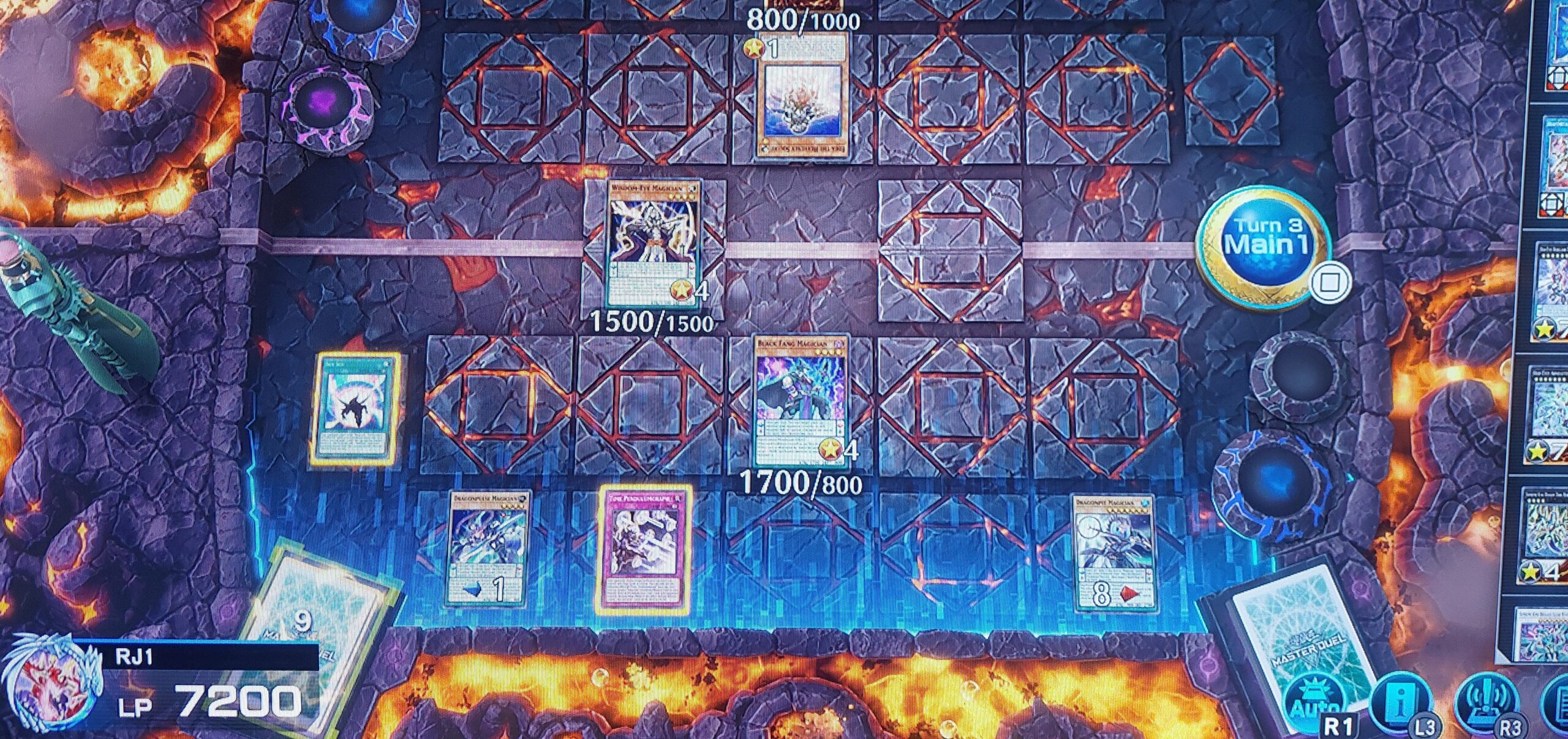
    When the physical versus digital debate really started gaining traction, I was sitting on my throne enjoying a game of Yu-Gi-Oh! Master Duel, focusing on my combos and celebrating a good winning hand.

    I didn’t make it my life’s mission to worry about why so many people wanted to stop Sony from moving away from physical discs. None of that held my attention because, as I’ve already mentioned, enjoying the games I was playing in that moment was all that really mattered to me.

    Whether I was playing 007 First Light, Chronicles of the Wolf, or Prince of Persia: The Lost Crown, those games deserved my energy far more than worrying about what might happen years down the road. I’d rather spend my time creating new gaming memories than arguing over a future I couldn’t control.

    I think that’s why I was able to “see the future” without letting it consume me. Because I had already accepted that change was coming, I wasn’t burdened by it. I was too busy enjoying the present to spend every day worrying about tomorrow.

    I remember finally deciding to weigh in on what I considered a pointless debate. Someone in the group asked me, “Why are you acting like this doesn’t affect you too?”

    My answer was simple.

    “I made my peace with this long ago. That’s given me more than enough time to adapt instead of sitting here breathing fire like everyone else. I’d rather spend that time getting excited for games like Phantom Blade Zero and Wolverine.”

    The more you fight change, the more that change begins to consume your thoughts. That’s no way to enjoy gaming, especially when your voice is only one among millions trying to overturn a decision that has already been made.

    And, at the risk of playing devil’s advocate, there are genuine benefits to both physical and digital ownership. Recognizing that is exactly why I chose to wash my hands of the debate. I’d rather spend my time playing games than arguing about how everyone else should.

    Physical Ownership, Forever; Ha! –

    You know, all of these people arguing, fighting, signing petitions, and pouring their energy into stopping an all-digital future seem to forget one simple fact:

    Nothing lasts forever.

    And to put a finer point on it, the only way something you treasure lasts forever is if you’re around forever—which none of us are. Discs wear out. Cartridges eventually fail. Consoles age. Every piece of gaming hardware has an expiration date. All of it.

    Think about it. Even during the PlayStation 3 era, when physical discs were still the norm, plenty of people were already choosing to buy their games digitally. Long before that, cartridges were beginning to show their age, and as hardware gets older, it becomes more difficult to keep everything running the way it once did.

    Sure, you could argue that owning a PlayStation 1, PlayStation 2, or even a Sega Genesis means your collection will live on. Maybe it will. Maybe it won’t. But the older that hardware becomes, the greater the chance something eventually fails. Time has a way of catching up to everything. That’s why I’ve never believed gaming is about preserving something forever. It’s about enjoying it while you have it.

    I’ve always tried to keep an open mind in an ever-changing world, so it wasn’t difficult for me to accept that gaming was gradually moving toward an all-digital future.

    Looking back at my childhood, there were countless games I wanted to play but couldn’t. My copy of Ninja Gaiden II on the NES eventually stopped working, and I never wanted to wake up another day unable to play a game I was, for lack of a better word, fiending to experience.

    That’s why having reliable access to my games became more important to me than debating the format they came in. Gaming has always mattered to me, and so has being able to sit down and play whenever I feel like it.

    If there’s one lesson I hope other gamers take away from all of this, it’s that the future shouldn’t consume the present. Whether your games are physical or digital, if you can play them today, then today is what deserves your attention—not spending every waking hour arguing about what might happen years from now.

    Hell, right now I’m working my way through New Super Mario Bros. U Deluxe on my Nintendo Switch. That’s a far better use of my time than arguing online about a decision Sony has already made. No amount of debates, petitions, or angry comment sections is going to change the direction they’ve chosen.

    And, in case you hadn’t already put two and two together, yes—I’m playing that game digitally.

    Sony saw a reason to move in this direction, and whether people like it or not, it’s happening. You can spend your days arguing about it if you want. Me?

    I’d rather spend mine beating another game. As for the people at the top making those decisions… they’re probably sitting comfortably in their offices while the internet keeps arguing. That’s another reason I decided my time was better spent playing games than fighting a battle I was never going to win.

    Why Enjoying Games Today Is Far More Important Than Worrying About Tomorrow –

    Simply put, I love gaming. Over the course of my life, I’ve beaten well over 1,000 games. And you know why? Not just because I’ve become a skilled gamer, but because I learned early on how to focus on what really matters when I pick up a controller: me and the game in front of me. Period.

    Sure, I could’ve died the next day, the following week, or even later that month. But even if that had happened, I would’ve left this world with one more gaming memory that no one could ever take away from me.

    At one point, that memory was Castlevania III: Dracula’s Curse. Every time I played it, I chose my favorite route—Alucard’s route—through the Sunken City and beyond. Those experiences became part of my life, and nothing can erase them.

    That’s the thing about gaming memories—you can’t replace them. They’re tied to the experiences you have while playing, not to whether the game sits on a shelf or in a digital library.

    I understand why many people are upset with Sony’s direction and why they feel disappointed by the company’s changing strategy. But those debates don’t change the memories people are making every single day while playing the games they already own.

    If someone told me they were constantly worrying about the future of gaming, my response would be simple:

    “Why aren’t you playing right now? What are you waiting for?”

    Every day, someone somewhere is creating the next great video game. The memories you build from the games you’ve played, the challenges you’ve overcome, and the adventures you’ve completed are the things that stay with you for the rest of your life.

    That’s one of the biggest reasons I stopped worrying about owning games forever. I don’t spend my time fearing what might happen years from now.

    I’d rather enjoy the moment—blasting enemies, dodging attacks, and striking down whatever stands in my way. To me, true ownership has never been about possessing a game forever. It’s about the memories that game leaves with you long after you’ve put the controller down.

    Adapting Is Better Than Change –

    Over the years, the gaming industry has changed tremendously. We’ve gone from simple computer screens to cartridges, from cartridges to compact discs, and now to an era where many games don’t require a disc at all.

    I’ve watched every major shift the industry has made, and to me, it’s simply doing what every successful industry eventually has to do—change. That doesn’t automatically make those changes bad.

    There was a time when I believed a game belonged on the console it was originally released for. If it came out on the PlayStation 2, then in my mind, that’s where it should stay. Looking back, I realize that was a purist mindset.

    Over time, many of those same games found new life on the PlayStation 3, PlayStation 4, and eventually the PlayStation 5. Games from years ago continue returning for new generations of players, bringing the same experiences that made us fall in love with them in the first place.

    Take Wild Arms 4, for example. It recently arrived on the PlayStation 4 and PlayStation 5, complete with additional features that make revisiting it even more enjoyable.

    The game itself didn’t lose what made it special—it simply adapted to a new generation of hardware. Seeing that reminded me that I could adapt too.

    I still have PlayStation 1 and PlayStation 2 memory cards tucked away somewhere. If I tried accessing some of those save files today, there’s a good chance it wouldn’t be easy.

    Yet now I can revisit many older games on modern hardware, complete with built-in save features and other quality-of-life improvements. That’s why I believe the future of gaming is bright.

    It doesn’t require us to fear change—it simply asks us to adapt to it. I’d rather spend my time embracing those opportunities than fighting a future that was always going to arrive.

    A Back Up Plan is Necessary if You Think It Is –

    In light of Sony’s push toward an increasingly digital future, some people believe that if they keep fighting long enough, the company will eventually reverse course and continue supporting physical discs.

    Personally, I don’t expect that to happen. If I truly believed a company was moving in a direction I didn’t like, my energy wouldn’t be spent trying to change its mind—it would be spent preparing for what comes next. If physical games were that important to me, I’d be buying the titles I wanted now instead of hoping the company eventually changed course.

    Preparing for the future has always made more sense to me than fighting against something I can’t control.

    That’s one of the reasons I took the time to make sure I could play many of my digital games offline. I didn’t do it because I was afraid of the future—I did it because having a backup plan lets me stop worrying and get back to enjoying my games.

    That’s the biggest difference between worrying and planning. Worrying keeps you focused on what might happen. Planning gives you something you can actually do.

    Whether someone chooses physical or digital isn’t really the point. The point is having a plan that lets you keep gaming instead of spending years fighting a battle that may never be won.

    There is a cost to every decision we make. Collect every physical game you can if that’s what brings you peace of mind. Go digital if that fits your lifestyle better. Neither path is free. The mistake, in my opinion, is letting fear of the future keep you from enjoying the games you have today.

    Don’t Be Sheep, Think For Yourselves! –

    To wrap things up, I want to make one thing clear: I don’t let anyone tell me what to think.

    The internet is full of people who believe they know what’s best for complete strangers, and gaming is no exception. Some people are convinced Sony is going to take away far more than physical media, and they’re determined to convince everyone else to believe the same thing.

    The problem is that outrage spreads much faster than facts. People see one headline, one rumor, or one announcement and immediately assume the worst before the full picture is even available.

    That’s one of the reasons I spend far less time on social media these days. I’d rather spend my energy playing games than feeding endless arguments about what might happen years from now.

    I know what I want from gaming. I want to wake up, grab one of my consoles, sit down at my game desk, and lose myself in a great game for hours.

    I’m not going to let fear about the future rob me of the enjoyment I can have today. If Sony changes something tomorrow, I’ll deal with it tomorrow. Until then, I’m going to keep playing.

    So my message is simple: stop worrying so much about what Sony might do and start enjoying the games you already have. January 2028 is still a long way off.

    That’s plenty of time to make plans if you need to. Until then, get your priorities straight, fire up your favorite game, and make memories that will stay with you long after the debate is over.

    Because tomorrow isn’t promised.

    That’s why I game today instead of worrying about forever ownership.rt worrying about what Sony is doing and play your games, January 2028 is a little bit from now; you have collectively, a year and a half to worry about anything let alone what hand Sony shows.

    Get your shit together and go game with the time you have with your games now because as they say, tomorrow isn’t promised. That’s why I game today and not worry about forever ownership!

    Gaming is about the experiences we create, not just the games we own. If you’re looking for some of the games that have shaped my perspective over the years, check out my companion Benable list below. You might just find your next great adventure.

    https://benable.com/RoddyMcG/games-that-prove-great-memories-matter-more-than-ownership

  • Why Valis I Still Holds Today

    Why Valis I Still Holds Today

    Intro –

    Valis I is often overlooked when compared to blockbuster franchises like Call of Duty or Star Wars. What many gamers don’t realize, however, is that it’s the kind of experience that makes you appreciate exactly what it sets out to be.

    On the surface, it may look like nothing more than a young girl running around with a sword defeating enemies, but there’s much more beneath that simple premise.

    Having now beaten the game myself, I found there was a lot to love about the experience—but I’ll get into that shortly. Even after 34 years, Valis I can still provide hours of fun and entertainment.

    Don’t let its straightforward presentation fool you. The learning curve is there, and while the game feels approachable, you’ll definitely have to earn your victories.

    I come before you today not just as someone who finished Valis I, but as a gamer who can confidently say it remains just as enjoyable today as it was when it was first released.

    It still delivers a quality experience and rewards players who approach it with an open mind. In many ways, modern games could take a page from Valis I’s book when it comes to simplicity.

    No tutorials. No lengthy explanations of the controls. No lectures about how to use Yuko and her sword. You simply jump in and play.

    Simple.

    The Hidden Strength of Valis I, Simplicity –

    When you think about Valis I, you might expect a game filled with lengthy dialogue and story events before it finally lets you play.

    Instead, what makes it so easy to pick up is that it gets straight to the point. You’re not spending the first five minutes trying to absorb tutorials, mechanics, or pages of exposition like many modern games ask you to do.

    Valis I has a much simpler message: pick up the controller, step into its world, and start kicking ass. That’s what makes it so inviting. The red carpet of modern gaming expectations simply doesn’t exist here. Like many classic games of its era, the only real expectation is simple: don’t die.

    That’s one of the biggest reasons the game resonated with me. It isn’t trying to impress players with endless systems, overpowered weapons, or complicated mechanics.

    At its core, it’s about a young girl with a sword trying to make sense of her reality, and the gameplay reflects that straightforward approach.

    Another thing I appreciated was that Valis I wasn’t trying to imitate what other games were doing. It created its own identity instead of chasing trends. In many ways, that’s where modern games sometimes stumble—they become so focused on adding more that they forget how effective simplicity can be.

    The design revolves around exploring, gaining new abilities, uncovering the story one piece at a time, and learning how to overcome each challenge. That focused approach is what keeps the experience engaging.

    Sometimes I wish we could return to the days of games like Valis I, where the focus was simply on gaining new powers, discovering boss weaknesses, mastering your abilities, and relying on quick thinking to succeed.

    That’s what made Valis I so enjoyable right from the start. No complicated rhetoric—just great gameplay.

    Every Special Weapon Has a Purpose –

    The Hunter special weapon at work!

    One of the best things about Valis I is that you’re not limited to using just your sword. Throughout the adventure, you can enhance it with a variety of special weapons that each offer something different.

    While I experimented with all of them, the Hunter quickly became my favorite. Every swing of the sword released seeker projectiles that automatically tracked nearby enemies, making combat feel both satisfying and reliable.

    The Hunter became the only special weapon I used from beginning to end, and I had two reasons for making that decision.

    First, I wanted to challenge myself. I wanted to see if I could complete the entire game using the weapon I enjoyed the most instead of constantly switching between abilities. Fortunately, that challenge paid off.

    Second—and more importantly—the Hunter fit the way I wanted to play. I wasn’t looking for the easiest route through the game. I wanted a weapon that could handle almost every situation despite whatever weaknesses it might have.

    The Hunter did exactly that. It reduced surprise attacks, kept enemies under control, and made boss battles feel more manageable without removing the challenge.

    Even though I eventually settled on the Hunter, I did experiment with every special weapon, including the Arc Shot and the Saber.

    They all have their strengths, but the Hunter simply suited my playstyle better. As it became stronger, enemies were less likely to catch me off guard, and boss fights became much smoother.

    Another feature I really appreciated was that defeating bosses rewarded you with new abilities. My favorite by far was the Rune Barrier. Its defensive capabilities proved incredibly useful whenever I found myself in trouble.

    While it required a moderate amount of magic to use, that was a small price to pay when I needed extra protection or simply wanted more time to study a boss’s attack patterns before going on the offensive.

    The Rune Barrier

    Valis I, Short but Memorable –

    Taking my time to explore and enjoy the experience, I finished Valis I in about 18 in-game hours. Even the final battle, despite having two phases, didn’t take nearly as long as I expected.

    The only part that really slowed me down was learning Rogles’ attack patterns, and even that took less than ten minutes once I settled in and paid attention.

    Modern games often try to give players the most bang for their buck by stretching the experience with larger worlds, longer campaigns, and countless side activities.

    There’s nothing inherently wrong with that, but Valis I proves you can still get tremendous value from a shorter adventure. A focused game can leave a lasting impression without demanding dozens of hours of your time.

    In fact, I’d argue that long games are more likely to consume your available playtime than a shorter game is to disappoint your wallet. Think about that for a second.

    What really sold me on Valis I was its focus. It never tried to pad the adventure with unnecessary endgame filler or distract players with puzzles that pulled attention away from the action.

    Everything revolved around Yuko’s mission to save both worlds. Rogles’ lieutenants appeared, challenged you, and once they were defeated, the adventure kept moving. There were no unnecessary detours—just a clear objective from beginning to end.

    Valis I proves that a game’s length isn’t what makes it memorable—its quality does. That’s also one of the reasons it’s worth replaying. You can experiment with different special weapons instead of following the path I chose, use it as the perfect palate cleanser after a long RPG, or simply enjoy the freedom to play at your own pace.

    Thanks to the save system, you never feel pressured to finish everything in one sitting. You decide when to stop and when to continue, and that control makes returning to the game even more enjoyable. can stop wherever, even during boss battles. You have the control.

    Observation vs. Panic, The Boss’s Reward –

    The boss that challenged me the most was, ironically, the final boss himself—Rogles. His attack patterns weren’t especially complicated, but he definitely made me earn the victory.

    There were several moments where I nearly got caught because I was constantly watching his movements, deciding when to dodge, when to slide, and when to stay out of range. Success wasn’t about attacking nonstop—it was about reacting correctly to everything he did.

    When Rogles entered his second form, it felt like he had changed his strategy. Even so, most of his attacks were readable once I paid close attention. He spent much of the fight darting through the air before positioning himself to swing his mace.

    The key was sliding underneath him as he landed, keeping yourself just outside the reach of that attack before immediately going back on the offensive.

    It was a demanding battle, and without Rewind I probably would’ve died a couple of times. Even so, I never felt like I needed endless patience. I simply needed to understand what the fight was asking me to do.

    I’ve always been the type of gamer who reads boss patterns during the battle instead of stopping to study them afterward. For me, victory comes from recognizing what to watch for rather than simply landing as many hits as possible.

    With Rogles, once I realized he almost always swung his mace immediately after landing from one of his aerial dashes, I knew exactly how to react depending on where he landed.

    By the end of both phases, Rogles had definitely given me a run for my money. He was easily the toughest boss in the game, but he also perfectly demonstrated what makes Valis I’s boss fights so satisfying: they reward observation, adaptation, and good timing far more than blind aggression.

    Valis I Reminded Me Why I Love Classic Action Games –

    I can’t say there was one specific moment that made me appreciate classic action games again—it was really the entire experience. When you stop and think about what makes the genre so enjoyable, Valis I checks all the right boxes.

    That’s why I believe it’s such an underrated hidden gem. In many ways, it belongs in the same conversation as classics like Contra, Super Mario Bros., and The Legend of Zelda.

    The controls felt responsive, the pacing was excellent, and by the time I reached the ending, I honestly felt like I could’ve started another playthrough right away. That’s the sign of a game that leaves a lasting impression.

    I also appreciated how the cutscenes gave just enough story to keep me invested without interrupting the flow of the action. They helped explain what was happening and where Yuko’s journey was headed without overstaying their welcome.

    That’s one of the reasons classic action games continue to be enjoyable years after their release.

    They focus on what matters most: solid gameplay, responsive controls, and a clear objective. Instead of constantly stopping to teach you another mechanic or overwhelming you with unnecessary complexity, they trust you to pick up the controller and simply play.

    For me, that’s a big part of why games like Valis I remain so rewarding decades later.

    Valis I is Still Playable In the Present Day –

    To conclude, based on my experience, I’d recommend Valis I to anyone who enjoys anime or appreciates action games that don’t overstay their welcome. I’d especially recommend it to players who’ve never heard of the series before. It’s one of those games that quietly earns a place in your collection because it’s memorable, focused, and simply fun to play.

    One of the biggest surprises for me was its length. I expected each stage to have multiple sub-levels like later entries in the series, but Valis I took a much more direct approach. Instead of filling the adventure with unnecessary padding, it stayed focused on delivering solid gameplay from beginning to end.

    Between the special weapons, boss abilities, and opportunities to develop your own strategy, I never felt like the experience was lacking despite its shorter runtime.

    Some people may look at a 34-year-old game and assume it has nothing left to offer when compared to titles like Ninja Gaiden Sigma, Elden Ring, or Crash Bandicoot.

    I couldn’t disagree more. Valis I still has its own identity. It may not overwhelm players with massive worlds or endless mechanics, but it delivers a rewarding experience that feels complete from beginning to end.

    The biggest lesson I learned from Valis I is that great game design doesn’t have to be complicated. It doesn’t rely on unnecessary distractions or artificial padding to keep players engaged.

    Instead, it trusts its straightforward gameplay, responsive controls, and rewarding mechanics to carry the experience. More than three decades later, that’s exactly why Valis I still holds up today.den Sigma, Elden Ring even Crash Bandicoot.

    The game still comes with its own bag of tricks, nothing too out of the ordinary but enough where you know that you’re getting something of value without feeling like you’re getting cheated because the game is short but to the point.

    The main lesson I learned while playing Valis I is being able to appreciate the game design as it is, its not fluffed up or have landmarks where you can’t get ambushed or take a significant amount of damage but you’re able to destroy everything in a straightforward manner.

    If Valis I sounds like the kind of classic action game you’d enjoy, I’ve also put together a Benable list featuring modern ways to play it along with other games and products I recommend.

    Check out my Benable list to see what made the cut and discover more hidden gems worth adding to your collection. https://benable.com/RoddyMcG/hidden-action-games-worth-your-time

  • Why Final Fantasy V Didn’t Click With Me.

    Why Final Fantasy V Didn’t Click With Me.

    Intro –

    When you think about a good RPG, games like Chrono Trigger, Final Fantasy VII, and even Octopath Traveler probably come to mind. But Final Fantasy V deserves to be part of that conversation as well. Over the years, it has built a huge fan base, and it’s not hard to see why.

    After trying it for myself recently, I quickly understood why the game is so highly regarded. Its combat and Job System offer a different approach than many other RPGs, but I’ll get into that later.

    What stood out to me most, though, wasn’t just how the game played—it was what playing it taught me about my own preferences as an RPG fan.

    Now, what I bring before you today isn’t an attack on Final Fantasy V. The game has a lot going for it, from its gameplay systems to the quality-of-life improvements found in the Pixel Remaster.

    I’m certainly not here to tell fans they should stop enjoying it because I understand why so many people hold it in such high regard.

    Sometimes, though, we as gamers overlook the fact that a game can teach us more about ourselves than it does about whether it’s objectively good or bad. There’s often a bigger lesson waiting beneath the surface.

    That’s the perspective I want to share today. This isn’t just about my experience with Final Fantasy V—it’s about what I learned from it and how those lessons helped me better understand the kinds of RPGs that truly fit my playstyle.

    My hope is that, somewhere along the way, you’ll find something you can relate to as well.

    Why Final Fantasy V Didn’t Grab Me Like Others Before It –

    In the past, I’ve played and beaten several Final Fantasy games, including VII, IX, XII, and even XVI. I loved them all, with a few exceptions. The experiences those games gave me were unforgettable, and if I’m being honest, I plan to go back and play some of them again someday.

    Why? Because they weren’t cookie-cutter RPGs. Each one followed its own identity while still offering a progression system that made sense to me.

    Take Final Fantasy VII Remake, for example. It completely reinvented the battle system by letting me switch between characters in real time, which I absolutely enjoyed.

    While Barret was laying down suppressive fire on turrets, Cloud and Tifa were taking care of Shinra guards. It created a sense of momentum that made every battle exciting. Before I knew it, the fight was over, and I was eager to see what the game had in store next.

    When I first tried Final Fantasy V, it felt like a dream come true. The idea of assigning different abilities to different jobs sounded like something I would really appreciate. But after spending more time with the game, I began to notice a problem.

    As characters mastered different jobs, the abilities they learned stayed with that individual character. If another character hadn’t learned those same abilities while using that specific job, they simply didn’t have access to them.

    For example, let’s say I wanted my Mystic Knight to use Black Magic Level 3 abilities with my lead character. Great! But what if I decided to make my second character a Geomancer and wanted them to use those same Black Magic Level 3 abilities?

    The problem—and this is what really got under my skin—was that my second character couldn’t use them because they hadn’t learned them as a Black Mage like my lead character had. That became frustrating.

    The more I noticed this happening across my entire party, the more I found myself losing interest in the game. As the enemies became stronger, it grew harder and harder to justify sticking with only one or two jobs to overcome them.

    Before long, I found myself right back at the same problem that had been bothering me from the beginning.ose enemies which still brought me back to my point.

    The Job System Was Doing Too Much –

    Now, I’m the kind of gamer who likes to experiment—to dip my hand into the cookie jar after midnight, so to speak. I enjoy learning the do’s and don’ts of a game’s mechanics through my own experience. Final Fantasy V seemed perfect for that because changing jobs felt like a dream come true. No one had to stay locked into a single role, and I could adapt my party to different battle situations on the fly. I had no problem with that concept.

    What I didn’t expect was that I found myself changing jobs not because my current ones weren’t getting the job done, but because I knew every class had abilities I didn’t want to miss. My strategy became simple: stay with a job long enough to learn a few abilities, then switch to another one and repeat the process. I kept doing this for hours, only to realize that constantly changing jobs wasn’t improving my experience nearly as much as I had hoped.

    Sure, I could have made all four characters Red Magi, but if that job didn’t have the hard-hitting magic I needed for a particular fight, then having four Red Magi wasn’t going to help me. Experiences like that slowly turned what once felt exciting into something that became more of a chore than a strategy.

    One of the biggest frustrations, even in the Pixel Remaster, was the ABP (Ability Points) system. I’ll be honest—I turned the ABP boost up to 4x, and even then I was barely maxing out any jobs.

    My goal wasn’t to master every class. I simply wanted each character to learn a useful collection of abilities before moving on to something else.

    Even with the boost, I was only earning four ABP per battle instead of the normal one. After spending 52 hours with the game, I didn’t feel any closer to learning meaningful new abilities than I did when I first started. I kept fighting every battle, but the sense of progression I was looking for just wasn’t there.

    One of my biggest goals in any RPG is to build my characters naturally. I like using them in battle, gaining levels, and gradually unlocking new abilities along the way. Final Fantasy V made that process feel much slower than I expected.

    Instead of feeling like my characters were constantly growing, I often felt as though I had stopped making meaningful progress altogether. By the end, it seemed like everything—including the ABP system—was working against the way I enjoy playing RPGs.

    My RPG Preferences –

    Despite the flaws I found in Final Fantasy V, I can’t say I walked away without learning anything. In fact, I learned quite a bit. More than anything, the game reminded me of the kind of RPG experience I enjoy most.

    I like being able to see what abilities I’m working toward so I can plan my strategies and build my characters accordingly. I don’t enjoy having important progression hidden behind mystery because, for me, that takes away part of the satisfaction of carefully developing my party.

    To put a finer point on it, Final Fantasy IX handled this in a way that really clicked with me. Yes, your weapons and armor have abilities tied to them, but that gave me even more incentive to learn those abilities before moving on.

    If you expect to coast through the game while learning as little as possible, you’re going to have a hard time against monsters like Ironite.

    Call me old school, but I’ve always preferred progression to be tied to the individual character. Going back to Final Fantasy IX, Vivi is a Black Mage who learns support abilities from equipment designed specifically for him.

    That means no matter what anyone else equips, abilities like Magic Element Null belong to Vivi alone. It reinforces each character’s identity while still rewarding you for investing time into developing them.

    Ultimately, Final Fantasy V showed me why I have the RPG preferences that I do. It helped me understand that I enjoy progression systems that are clear, character-driven, and easy to build strategies around.

    That doesn’t mean I’m unwilling to try new ideas, but when it comes to RPG progression, I’ve learned what works best for me. As the saying goes, if it isn’t broken, don’t fix it.

    Simple Progression Systems, Preferred –

    When I think about games like Final Fantasy VI, Final Fantasy VII, Chrono Trigger, and Chrono Cross, their progression systems all have one thing in common: simplicity.

    They aren’t trying to change your characters or force them into roles that wouldn’t fit them in a million years. Terra isn’t trying to be Celes, Cloud isn’t trying to be Aerith, Crono isn’t using Shadow magic, nor can you make Kid an Innate White character.

    Instead, each of these characters grows within their own strengths. As they gain levels, they learn abilities that fit who they already are, and that’s what makes these progression systems such a slam dunk.

    Everyone becomes stronger naturally throughout the game without having to equip abilities or weapons that make them feel awkward or out of place.

    Take Chrono Trigger, for example. Once your first three characters receive magic, each of them learns techniques tied to their respective element. As long as they continue participating in battle, they progress naturally while staying true to the role they were designed to play.

    That’s exactly why I prefer this style of progression. It doesn’t undermine what the characters are supposed to be just to adapt to different combat situations.

    No matter what happens, Crono remains the Lightning user, and Serge remains the Innate White element user. Even though he temporarily becomes Lynx because of FATE, he eventually regains his body and returns to the role that defines him. Nothing about his identity changes—it simply grows stronger as the game goes on.

    Freedom Doesn’t Always Mean More Fun –

    To the average gamer, being able to switch jobs and become whatever you want might be incredibly appealing. Honestly, I can see the appeal myself. But here’s where things become complicated.

    Even if your White Mage borrows Mystic Knight abilities, they’re still fundamentally a White Mage, with all of the strengths and weaknesses that come with that role.

    For many players, experimenting with different combinations is part of the fun, and I completely understand why they enjoy that level of customization.

    For me, though, it spoiled what could have been a great experience. I didn’t want to give my Dragoon White Mage abilities or turn my Red Mage into a Geomancer because every job should justify the cost of becoming that job.

    Take the Red Mage, for example. The tradeoff is clear: you gain access to both Black and White Magic, but you never reach the full potential of either because the job is designed to be a balance between the two. That’s what makes the class unique.

    Likewise, I would never put Dualcast on a White Mage or Black Mage because, to me, that ability belongs with the Red Mage. That’s where it feels the most natural.

    That’s ultimately why Final Fantasy V didn’t click with me. The game gives you so much freedom to mix and match abilities that the distinct identity of each job starts to blur.

    I prefer progression systems where every class has a clear purpose, meaningful tradeoffs, and a role that remains true to what it was designed to be.

    Closing, Not Every RPG Has To Be Your RPG –

    To wrap things up, we gamers sometimes try to fit square pegs into round holes by convincing ourselves that we have to love every classic RPG. While that sounds ideal, it can also lead to pretending you enjoy a game that simply doesn’t fit your tastes.

    Take me, for example. I never enjoyed the first four Wild Arms games. To me, Wild Arms 5 is the best game in the series and the only one that truly clicked. Sure, I bought Alter Code: F, Wild Arms 2, Wild Arms 3, and Wild Arms 4 again, but that doesn’t automatically mean I’m going to love them any more than I did the first time. Wild Arms 5 will always be my favorite in the series. I’d die for that game.

    Instead of forcing yourself to enjoy every RPG, spend your time with the ones that genuinely resonate with you. For me, that’s games like Shining Force II, which never takes itself too seriously and delivers an experience that simply feels fun from beginning to end.

    That’s why I chose the games I did. They fit my straightforward gaming style. I’m not afraid to work for victory, but I don’t want an RPG to spend dozens of hours convincing me why I should like it. I’d rather play games that naturally click with me than force myself to enjoy something just because it’s considered a classic.

    Not every classic RPG is going to be the right fit for every player, but it’s always worth keeping an open mind about the games that have the potential to do so.

    If you’re like me and prefer RPGs that let characters grow naturally instead of constantly changing jobs or roles, I’ve put together a list of some of my favorite games that embrace that philosophy.

    Check out my Benable list, “RPGs That Reward Simple Character Progression,” for more recommendations that prove sometimes the best progression systems are also the simplest. https://benable.com/RoddyMcG/rpgs-that-reward-simple-character-progression

  • Lords of Exile: Learn the Level Before You Learn the Bosses!

    Lords of Exile: Learn the Level Before You Learn the Bosses!

    Intro –

    Stumbling across the many games in my collection, I eventually came across Lords of Exile. A game that plays like Castlevania combined with Ninja Gaiden, I was hooked from the moment I started playing.

    Whenever I come across a game that reminds me of the classics I grew up with, I can’t help but want to share the experience with other gamers.

    One of the first things that stood out to me was how easy the game was to pick up and play. Sure, there are a few simple instructions to help you get started, but nothing that requires a lot of memorization, and that’s something I really appreciated.

    Before long, however, I realized there was much more to the game than its simple beginning.

    One of the biggest lessons I learned during my playthrough was that the bosses become much easier once you understand their attack patterns.

    Yes, you’re going to die along the way, but every defeat teaches you something. Each attempt helps you improve your timing, your movement, and your understanding of the fight, and all of those things matter.

    If you’re getting ready to play Lords of Exile for the first time, don’t let the opening of the game fool you. As I like to say, judging a book by its cover can and will get you cut by the pages. The game gives you room to learn, but it’s also going to make you earn every victory.

    There are also a few helpful mechanics that can make your journey easier, but I’ll talk more about those later. More than anything, I wanted to write this article because I recently finished the game and wanted to share the lessons I learned along the way.

    My hope is that by the end of this article, you’ll know the do’s and don’ts of playing Lords of Exile and be better prepared to get the most out of your own adventure.

    Learning the Level Is The First Victory –

    My first impression of Lords of Exile was a little mixed—not because the game was bad, but because after playing games like Castlevania, Mega Man, and Ninja Gaiden for years, there wasn’t much that truly surprised me.

    Even so, it didn’t take long for me to realize that while the mechanics felt familiar, the game had its own identity. It eases you into the adventure before gradually turning up the heat.

    One thing that did surprise me was the game’s Mega Man-style ability system. Every time you defeated a boss, you earned a new ability.

    Those abilities weren’t designed to make the game easy, but they did make exploring and progressing through the later stages much more manageable.

    The enemies also demanded more respect than I expected. While some were easy enough to dispatch, others—like the golems—forced me to change my approach.

    Their attacks were difficult to avoid, especially when I tried to stay aggressive. They taught me that sometimes patience is just as important as offense.

    I couldn’t help but think back to the original Castlevania. You break candles, collect power-ups, fight your way through zombies, and eventually make your way to Dracula’s front door.

    Lords of Exile takes a different approach. Right from the beginning, a guard stands outside the gate, making one thing perfectly clear: you’re not rushing past him.

    To me, that guard delivers a subtle but obvious message: rushing through this game isn’t an option. Taking your time, paying attention to your surroundings, and moving when the opportunity presents itself will carry you much farther than charging ahead.

    The more I played, the more I appreciated that familiar blend of Mega Man, Castlevania, and Ninja Gaiden. Despite a few difficulty spikes that challenged me along the way, I never stopped enjoying the experience.

    By the time I reached the end, Lords of Exile had earned a place among my favorite retro-inspired action games.

    5 Key Things I Took Away from The Levels I Got Through –

    One of the biggest lessons I took away from the levels was the importance of staying alert. Just because things had calmed down or there weren’t any enemies on screen didn’t mean it was safe to let my guard down.

    Level 3 drove this point home while I was climbing the vines through the moving platform section. The archers there made it clear they didn’t want me around, and they weren’t about to make the climb easy.

    Another lesson I learned was not to get greedy. Going back to the Golem example, I tried getting up close and finishing the fight as quickly as possible. Instead, I ended up taking unnecessary damage.

    Once I started timing my attacks and knowing when to back away, I saved much more health and was reminded that slow and steady really does win the race.

    Another lesson was patience. If you’ve played Castlevania II or Castlevania III, then you know how important timing can be. The same is true here.

    Once I slowed down, studied the obstacles around me, and stopped trying to force my way through, I began making much better progress. That patience even paid off during my fight against Issa in Level 7.

    For me, getting better at a game isn’t really about becoming more confident—I’ve always believed in my abilities. Instead, this game reminded me to trust myself.

    Trust my instincts, trust my timing, and trust the experience I’ve built over years of playing games like this. Sometimes that’s all you need to get through a difficult section or a challenging boss.

    The last lesson I learned was never to forget the basics. One example is the downward thrust, which is perfect for enemies below you and later becomes even more effective after it’s upgraded. It’s easy to get caught up using flashy abilities and forget the simple techniques that work just as well.

    I learned that lesson the hard way while fighting the blue guards with the long spears. What should have been a routine encounter turned into a complete mess because I ignored the basics. I lost far more health than I should have before reminding myself that sometimes the simplest solution is still the best one.

    The Level Made the Boss Easier –

    The first thing that comes to mind is timing—knowing when to use your sub-weapons, when to capitalize on an enemy’s weakness, and how to use every tool at your disposal.

    There were plenty of moments where timing meant the difference between taking unnecessary damage and making it through a fight unharmed.

    Each level introduced its own challenges. The Sunken City, for example, constantly tested my awareness with its sinking platforms and environmental hazards.

    It also reminded me to react quickly and not forget about the summons I had available. Their energy cost was small compared to the amount of health they helped me save before reaching the boss.

    By this point in the game, there were very few surprises left when it came to enemy placement. That brings me back to one of the biggest lessons I learned: look before you leap.

    An enemy circling a platform may follow the same pattern every time, but knowing when to move onto that platform is what separates surviving from taking unnecessary damage.

    One fight that really reinforced this lesson was Issa, the Level 7 boss. His attack pattern is surprisingly easy to memorize once you stop trying to rush the fight.

    After taking enough damage, he’ll float to the center of the screen and launch his giant windmill shuriken. I never counted exactly how many hits triggered the attack, but I did learn to recognize what came next.

    As soon as he disappeared and reappeared at the top of the screen, I knew it was time to move into the right corner and prepare for a double jump over the incoming attack.

    That strategy sounds simple, but it only worked because I took the time to understand his attack pattern instead of trying to overpower him. What first looked confusing eventually became predictable, and that’s when the fight became much easier.

    I don’t think I ever saw a game over screen during my playthrough, but that doesn’t mean the game never threatened one. Years of playing action games certainly helped, but repetition played an equally important role.

    The more I saw certain obstacles and enemy patterns, the more natural they became. Even then, I never stopped being cautious. One lesson gaming has taught me over the years is to never underestimate anything. Whatever you choose to ignore will eventually hit you—and it’ll hit hard. Speaking from experience.

    I’d Like To Offer Some Advice To New Players –

    So, for all of you new players out there who are either coming in from the cold or have, like me, played games like this for years but decided to give Lords of Exile a shot, here are a few tips I think will help.

    Not only can this game be challenging, but these lessons can mean the difference between surviving and staring at the Game Over screen.

    When you’re fighting bosses, learn their attack patterns because doing so is one of the biggest keys to staying alive. Take the Warhog on Stage 5, for example. At the start of the fight, it’ll open with a barrage of bombs followed by its flame attack.

    Don’t worry about getting hits in right away. Wait until the bomb barrage is over, then attack the metal plate on its face. Land a few good hits before getting underneath the boss to avoid its flame breath. Patience is what wins this fight, not rushing in.

    One of the hardest things I ever had to accept was that, even as an experienced gamer, I was eventually going to see the Game Over screen. I used to think losing meant I had failed or that I had gotten rusty. The truth was the exact opposite.

    Losing is what helps you grow. Every death teaches you something if you’re willing to learn from it. So don’t be afraid of failure. Take each defeat with a grain of salt because that’s often when the “a-ha!” moment happens.

    Sometimes all it takes is one mistake to show you exactly what you need to do differently the next time around. Samantha on Stage 1 was one of those moments for me.

    Another piece of advice I’d give is to take your time through each level. Walk—don’t run. Pretend you’re out for a leisurely stroll with all the time in the world and nowhere else to be.

    Enjoy the scenery, cut down everything in your path, and really soak in the atmosphere. If you happen to die along the way, you’ll already have a better understanding of the level when you come back.

    To put a finer point on it, patience makes the road ahead much easier to travel. You’re no longer carrying the weight of trying to play perfectly or expecting yourself to make no mistakes. One of the hardest things to do is simply slow down long enough to absorb your surroundings.

    There’s nothing wrong with wanting to get to the next level or see what’s coming next, but patience carves the road ahead—not overzealousness. That’s a lesson Lords of Exile taught me the hard way.

    Lessons That Go Beyond Lords of Exile –

    Now, Lords of Exile isn’t a complicated game. Can the difficulty spike at different points? Absolutely. But the lessons you learn throughout the game can carry over into other action games, like Ghosts ‘n Goblins Resurrection.

    One lesson that’s especially valuable is learning to accept death. You’re going to die—a lot—but every defeat is an opportunity to learn. If you’re willing to pay attention to what went wrong instead of getting frustrated, you’ll come back stronger the next time.

    Another lesson is timing, and that’s something that carries over perfectly to games like Contra: Operation Galuga. Enemies are constantly trying to overwhelm you, so knowing when to move, jump, or attack can make all the difference.

    Sometimes the hardest part isn’t defeating the boss—it’s knowing the exact moment to avoid a projectile or jump out of the way before taking unnecessary damage.

    For a long time, I looked at dying in games as something negative. I couldn’t have been more wrong. Death isn’t failure—it’s a teaching tool. Every defeat has something to teach you if you’re willing to learn from it.

    One of the hardest things I ever had to accept was that I was going to die in video games. It doesn’t matter whether you’ve been playing for 36 days or 36 years—you’re going to lose sometimes. What matters is what that defeat teaches you before your next attempt.

    And perhaps the biggest lesson Lords of Exile taught me is that observation pays off. Taking a moment to look at what’s happening around you helps prevent mistakes that rushing almost always creates.

    Take Contra: Operation Galuga, for example. You’re busy mowing down enemies when you suddenly run over something flashing on the ground.

    If you’re only focused on the action, you might never notice the hidden mine until it explodes beneath your feet. Had you slowed down and observed your surroundings, you could have avoided it entirely.

    Whether you’re playing Lords of Exile, Ghosts ‘n Goblins Resurrection, Contra: Operation Galuga, or almost any challenging action game, the lessons remain the same: be patient, learn from your mistakes, trust your timing, and always pay attention to your surroundings. Those lessons won’t just help you beat one game—they’ll help you become a better gamer.

    Conclusion –

    So, to recap, when you sit down to play Lords of Exile, learn the level first. I know it’s tempting to treat each stage like it’s just another obstacle standing between you and the boss, but that’s the quickest way to end up back at the Game Over screen.

    Nine times out of ten, knowing where to jump, when to use your downward thrust, and how enemies behave will save you far more time than simply hoping the level works in your favor. Trust me—it won’t.

    Always be patient as you make your way through each level because it’s easy to overlook something important when you’re rushing from one area to the next.

    Maybe a certain sub-weapon makes a boss much easier, but how would you know if you never took the time to break the boxes along the way? Treat your journey through each level like a leisurely stroll. Slow down, take everything in, and let the game reveal its secrets to you.

    And don’t get discouraged when you die. It’s easy to feel like the game is working against you, but I can assure you there’s always a way to survive even the toughest battles.

    Sometimes the only way to find that solution is through defeat. It might be something as simple as realizing you got too greedy trying to squeeze in one more hit on a boss. Patience is its own reward—always.

    Above all else, remember that preparation is what leads to victory. Difficult games reward players who observe their surroundings, learn from their mistakes, and resist the urge to rush. Lords of Exile has its fair share of difficulty spikes, but every victory feels earned because of them.

    Keep these lessons in mind, and you’ll not only have a richer and more rewarding playthrough of Lords of Exile, but you’ll carry those lessons into every challenging action game you play afterward.

    Difficult games don’t just test your reflexes—they teach patience, observation, and perseverance. If you’re looking for the games and gear that helped shape my approach to challenging action games, check out my companion Benable list below.

    https://benable.com/RoddyMcG/challenging-action-games-that-made-me-a-better-gamer

  • Need A Break After A Long RPG, Here’s the Perfect Palate Cleanser.

    Need A Break After A Long RPG, Here’s the Perfect Palate Cleanser.

    Intro –

    Alright fellow gamers, burnout and mental exhaustion. Many of us have no doubt experienced both after spending dozens of hours making our way through long RPGs.

    Games like Elden Ring, Bloodborne, Chrono Trigger, and Chrono Cross can easily keep us occupied for 50 hours or more, practically chaining us to their worlds until the very end.

    After going through this myself over the years—and even recently—I’ve reached a point where having something to take that edge off makes a huge difference.

    Some gamers simply take a break from gaming altogether, while others jump straight into another game. Both are choices, but neither is the only option.

    That’s where a palate cleanser comes in. Think of it as a game that gives your mind a chance to recover after a massive RPG. It provides a welcome change of pace before diving into your next grand adventure.

    Personally, after I finished Ninja Gaiden Sigma, I realized I needed a break. At the time, I didn’t have a name for what I was looking for, but I knew I wanted something different—something that would let me unwind from not only the mechanics of that game, but the intensity of the entire experience.

    Today, I’m going to explain what makes a great palate cleanser, why they’re more important than many gamers realize, and how they can help you enjoy your next big RPG even more.

    So, let’s get started.

    Part I, Palate Cleanser. Why It’s Need is Absolute –

    Being someone who’s played RPGs for years, I can tell you that even if you have the mental fortitude of a god, you’re eventually going to experience burnout or mental exhaustion.

    That’s not because you can’t handle it—quite the opposite. Long RPGs simply demand a tremendous amount of your time, focus, and gaming energy.

    Games like Final Fantasy VI, Final Fantasy XVI, and even the Final Fantasy VII remakes can leave you mentally drained after just a few hours or a major boss battle.

    Then there’s everything happening outside of combat. You’re constantly managing equipment between party members, deciding which side quests deserve your attention, and choosing which ones can wait until later.

    And that’s before you consider the worlds themselves. Some RPGs continue expanding long after you think you’ve seen everything. Final Fantasy VI is a perfect example.

    Just when you become comfortable navigating one massive world, the game opens up another, asking you to explore even more. Depending on how you play, that journey can easily stretch well beyond 30 hours and sometimes reach 40 or 50 hours before the credits roll.

    What Makes A Good Palate Cleanser?

    A palate cleanser, in its purest form, isn’t simply a short game. It also isn’t another massive RPG that’s going to ask for another 50 or 60 hours of your time.

    Instead, it’s a game that feels mentally refreshing after you’ve spent weeks immersed in a long adventure. The goal isn’t to replace the RPG you just finished, but to give yourself enough breathing room before committing to another one.

    For years, I never really had a name for this feeling. I just knew that after finishing a long RPG, I wanted to play something completely different.

    I didn’t want to manage another inventory, organize another party, or spend hours deciding which quest deserved my attention next. I wanted a game that let me simply pick up the controller and enjoy myself.

    For me, that game was often Yu-Gi-Oh! Master Duel.

    My awesome hand and boss monsters.

    Whenever I finished a long RPG, I’d find myself loading Master Duel and heading straight into a few matches. There wasn’t a grand objective waiting for me.

    I wasn’t trying to climb the rankings or prove anything to anyone. I simply wanted to duel. I’d jump into a handful of matches, win some, lose some, test my deck, and then call it a day. There was no pressure to continue if I didn’t feel like it, and that’s exactly why it became one of my favorite palate cleansers.

    That’s the beauty of a game like Master Duel. Every duel feels self-contained. Once a match is over, it’s over. Whether you win or lose, you can simply move on with your day.

    There’s no lingering obligation to complete another chapter or another dungeon before you can finally stop playing. It gives you permission to enjoy gaming without feeling like you’ve interrupted a larger journey.

    Contra: Operation Galuga

    For someone like me, that’s incredibly refreshing after spending dozens of hours inside an RPG world.

    That doesn’t mean everyone needs to choose a card game. Your palate cleanser might look completely different from mine. Maybe it’s a few rounds of Tetris. Maybe it’s a racing game where you can finish a race in just a few minutes.

    Maybe it’s a side-scrolling action game that gets you into the gameplay almost immediately. The important part isn’t the genre—it’s how the game makes you feel once you pick up the controller.

    The best palate cleansers all have something in common. They don’t ask much of you before becoming enjoyable.

    You don’t have to spend an hour learning complicated mechanics or remembering where you left off three weeks ago. Instead, they welcome you back almost immediately. You start playing within minutes, and before long you’re smiling because you’re simply having fun again.

    That’s one of the reasons I recently gravitated toward Valis I on the Nintendo Switch.

    After spending time with Final Fantasy III, I wanted something that demanded less from me mentally. Even though I didn’t finish every part of Final Fantasy III, I still reached a point where I wanted a change of pace.

    Valis I provided exactly that. It was straightforward, easy to understand, and never buried me under complicated systems. Within minutes, I was moving through stages, fighting enemies, and enjoying myself without feeling mentally overloaded.

    Ironically, the same thing happened after I finished Lords of Exile.

    Now, Lords of Exile isn’t an excessively long game, nor is it an RPG packed with dozens of systems. But it still demanded my attention. Learning enemy patterns, mastering the stages, and figuring out the bosses required focus and concentration.

    By the time I reached the ending, I felt satisfied—but I also knew I needed something lighter before throwing myself into another demanding experience.

    That’s exactly why I started Valis I.

    It wasn’t because Lords of Exile wore me out in a negative way. Quite the opposite. I enjoyed every minute of it. I simply recognized that my mind wanted something different.

    Instead of immediately asking it to solve another difficult challenge, I gave myself permission to enjoy a game that was shorter, simpler, and easier to settle into.

    That’s what a true palate cleanser does.

    It doesn’t exist because you’re tired of gaming.

    It exists because you still love gaming enough to recognize when your mind needs a different kind of experience.

    Whether that’s a few rounds of Yu-Gi-Oh! Master Duel, an evening with Valis I, or another game entirely, the goal is always the same.

    Step away from the mental weight of a massive adventure for a little while, enjoy something that feels refreshing, and come back ready for whatever world awaits you next.wasn’t but the experience left me feeling heavily drained with a need for a palate cleanser. Hence the break.

    Why I Keep Coming Back To Action Games –

    One of the biggest reasons I keep coming back to action games is because they help clear my mind after finishing a long RPG. It isn’t because the RPG was bad—I just need something that’s quick, easy to pick up, and ready to go from the moment I press Start.

    RPGs always have another quest to complete, another piece of equipment to manage, or another objective the game decides is important.

    Action games are different. They strip all of that away. Sometimes, having that change of pace is exactly what the gaming soul needs. Think about it: if you just spent 33½ hours making your way from the Red Dragon to the White Dragon in Chrono Cross, you’ve earned a distraction.

    That’s why I enjoy games like Shadow of the Ninja Reborn and Ghosts ‘n Goblins Resurrection.

    They throw you straight into the action with very little downtime. It’s pure, unadulterated carnage, fast-paced gameplay, and no lengthy preparation before the fun begins. To me, that’s the true definition of a palate cleanser.

    The Goal Isn’t To Finish Fast, Its About Refreshment –

    So to recap, a palate cleanser isn’t just about playing some random game. It’s about finding a game that doesn’t demand your time, doesn’t overwhelm you with side quests, and doesn’t ask for another huge commitment before you can simply enjoy yourself.

    It’s a game that gives you the right kind of distraction and the recovery time you need before starting your next big RPG.

    Think about it. If you sit down with Cyber Shadow or Valis IV, you don’t have to take either game too seriously or even finish them for them to serve their purpose. Sometimes, all you need is a few hours of fast-paced action to clear your mind and remind yourself why gaming is fun.

    Then, when it’s time to begin your next 100-hour adventure, you’ll be ready to enjoy it with a fresh perspective instead of carrying the mental fatigue from the last one.

    Give yourself permission to step away from the RPG genre every now and then. Your next adventure will be even more enjoyable because of it. ready to start your next 100 hour adventure when you make the time to briefly step away from that RPG genre for a little while.

    Keep these in mind and always give yourself time to recover from RPGs, you’re no good to that next game if your mind is still bogged down by that RPG.

    Need a break after a long RPG? Here are the games I turn to when I want to recharge, clear my mind, and get ready for my next big adventure. Check out my Benable list here – https://benable.com/RoddyMcG/games-that-help-you-reset-between-long-adventures